
 newspop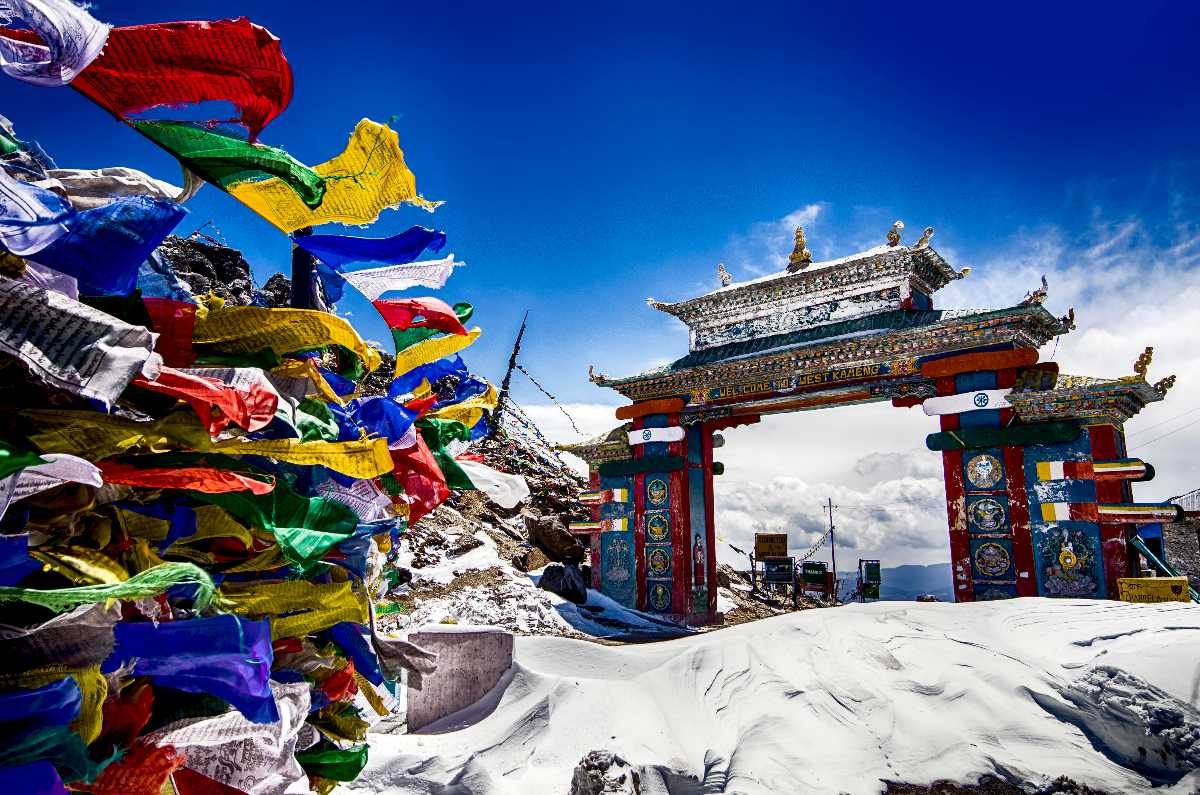
SPECIAL STORY | From Himalayan Kingdom to India’s 22nd Stateb: The Incredible Story of Sikkim
NEW DELHI: Why is Sikkim often described as the “brother of the Seven Sisters” of Northeast India ? The answer lies in a fascinating history spanning centuries. Although geographically separated from the seven northeastern states, Sikkim has long shared deep historical, administrative and strategic links with the region.
The story of Sikkim stretches back to 1642, when Phuntsog Namgyal was proclaimed the first Chogyal of Sikkim at Yuksom, marking the beginning of the Namgyal dynasty. For around 333 years, Sikkim remained under monarchical rule before undergoing a dramatic political transformation and eventually becoming India’s 22nd state in 1975.
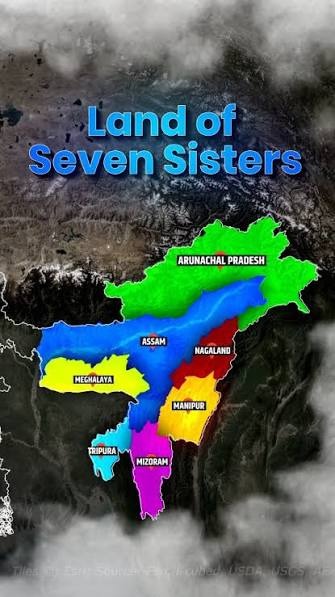
Who Are the ‘Seven Sisters’?
The term “Seven Sisters” popularly refers to the seven northeastern states of Arunachal Pradesh, Assam, Manipur, Meghalaya, Mizoram, Nagaland and Tripura. The expression is a popular geographical and cultural description rather than a constitutional designation. The term gained popularity in the early 1970s as the northeastern region underwent major political and administrative changes. The seven states did not all achieve full statehood at the same time—Assam became a state in 1950, Nagaland in 1963, Meghalaya, Manipur and Tripura in 1972, while Mizoram and Arunachal Pradesh attained full statehood in 1987.
Why Is Sikkim Called Their ‘Brother’?
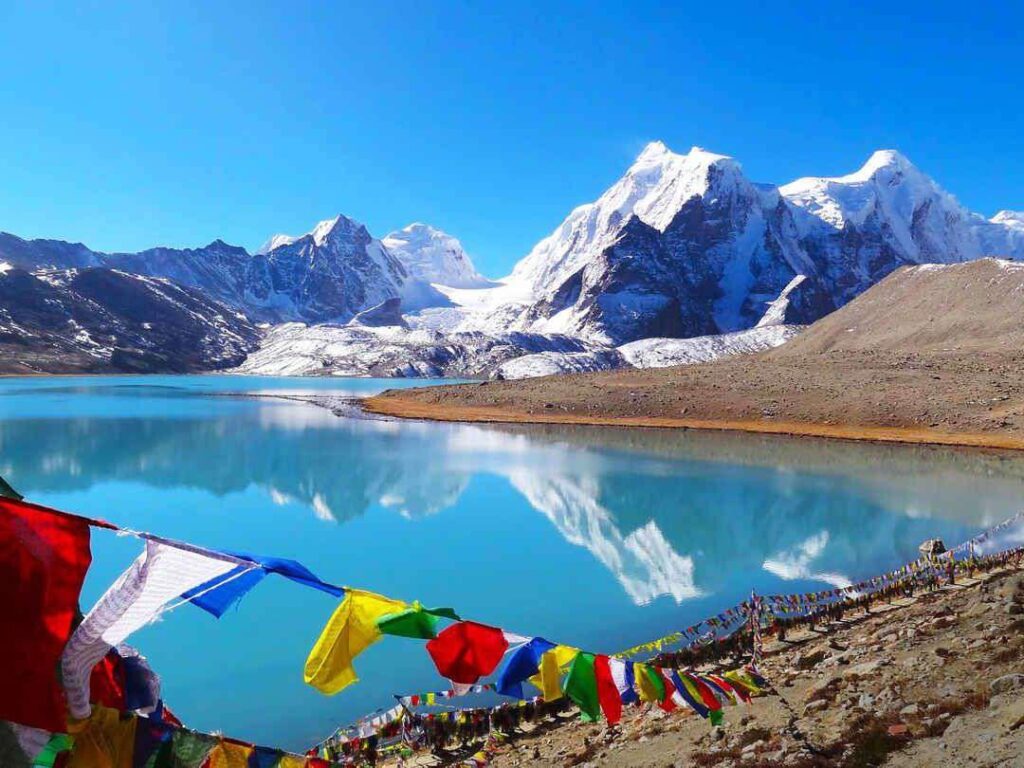
Unlike the Seven Sisters, Sikkim is separated geographically from most of Northeast India, with West Bengal connecting it to the wider northeastern region. Yet its historical and strategic relationship with Northeast India has remained significant. Sikkim’s inclusion in the North Eastern Council (NEC) further strengthened its association with the region. Following amendments to the North Eastern Council Act in 2002, Sikkim became formally included as a member of the NEC, reinforcing its place within the broader institutional framework of Northeast India. This regional connection is one of the reasons Sikkim is popularly described as the “brother” of the Seven Sisters.
333 Years of the Namgyal Dynasty
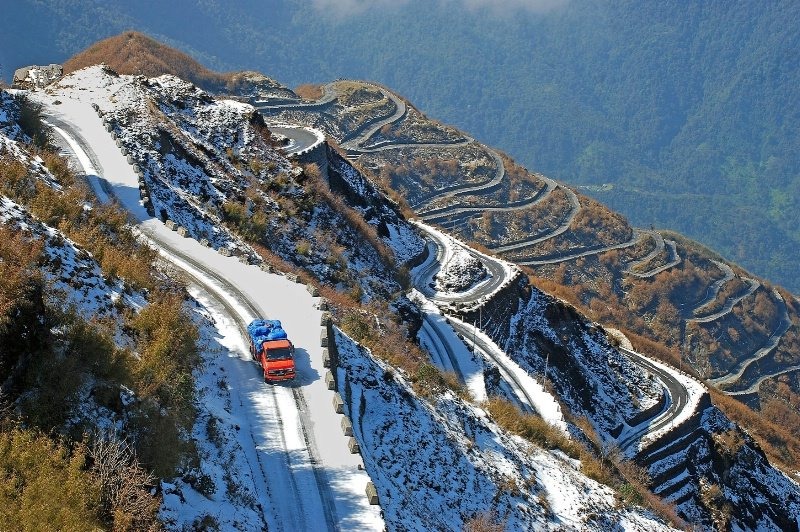
Sikkim’s royal history began in 1642, when Phuntsog Namgyal became the first Chogyal. The Namgyal dynasty ruled Sikkim for more than three centuries. The capital shifted over time from Yuksom to Rabdentse and then Tumlong, before finally moving to Gangtok in 1894. Sikkim’s relationship with the British also evolved over the years. The Treaty of Titalia in 1817 and the Treaty of Tumlong in 1861 increased British influence over the kingdom, while the 1890 Anglo-Chinese Convention dealt with Sikkim’s status and boundaries. Despite growing external influence, the Chogyal monarchy continued to govern the kingdom.
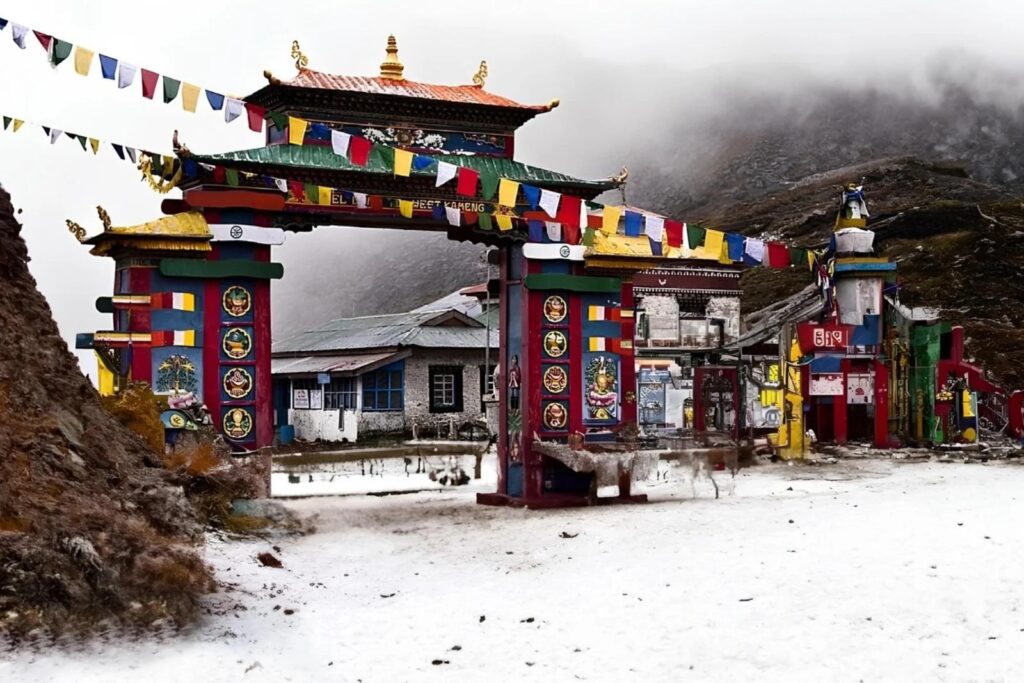
Sikkim’s Journey Towards India
After India gained independence, relations between Sikkim and India entered a new phase. The India-Sikkim Treaty of 1950 established a special relationship in which India took responsibility for Sikkim’s defence, external relations and communications, while the Chogyal continued to oversee internal administration. Political tensions and dissatisfaction with the monarchy increased during the early 1970s. In 1974, elections were held, and the Sikkim Congress under Kazi Lhendup Dorjee emerged victorious. The same year, the Indian Parliament passed the 35th Constitutional Amendment, creating a special constitutional arrangement for Sikkim.
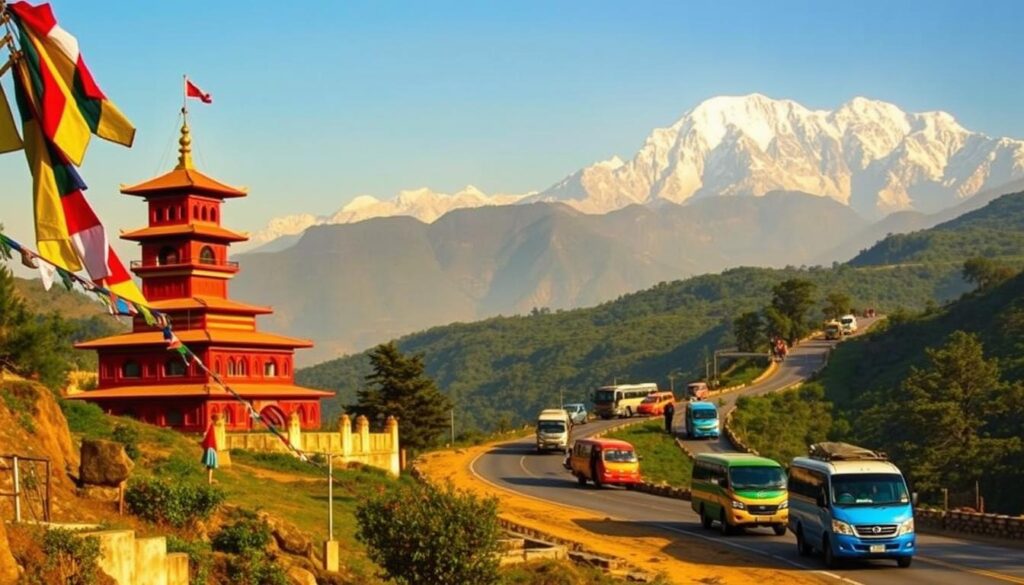
1975: The Historic Turning Point
The biggest transformation came in April 1975, when a referendum was held in Sikkim on the abolition of the monarchy and the state’s integration with India. The proposal received overwhelming support. Subsequently, the 36th Constitutional Amendment Act, 1975 granted Sikkim full statehood and incorporated it into the Indian Union. On 26 April 1975, Sikkim officially became India’s 22nd state.
From Himalayan Kingdom to India’s 22nd State
Today, Sikkim is celebrated not only for its spectacular Himalayan landscapes and cultural heritage but also for its unique political journey—from a centuries-old monarchy to a full-fledged Indian state. Its historical, administrative and strategic connections with Northeast India have given it a special place alongside the Seven Sisters, making the phrase “Seven Sisters and their Brother Sikkim” a popular way of describing the northeastern region.
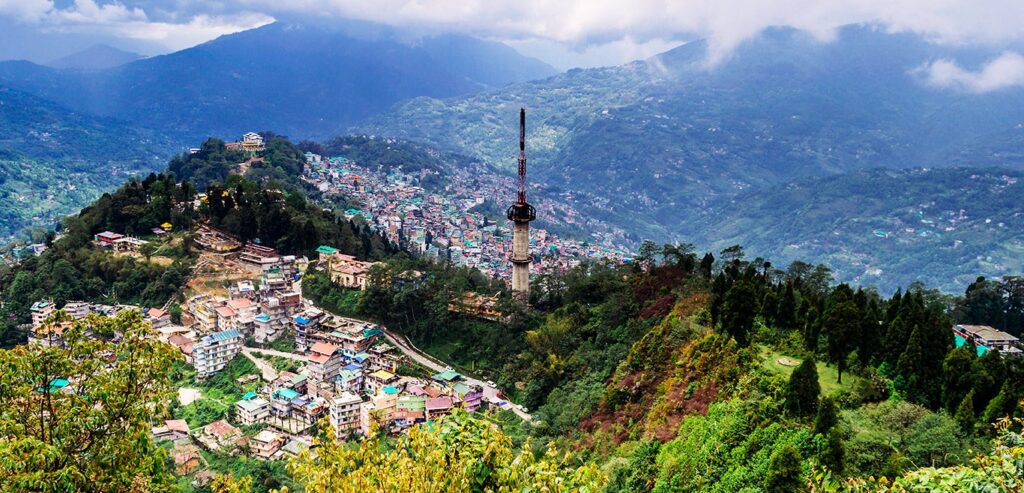
333 Years of Royal History, One Extraordinary Journey
From the Namgyal dynasty to Indian statehood, Sikkim’s story is a remarkable chapter in India’s history one that connects the Himalayas, the Northeast and the Indian Union in a fascinating tale of geography, politics and transformation.