
 newspop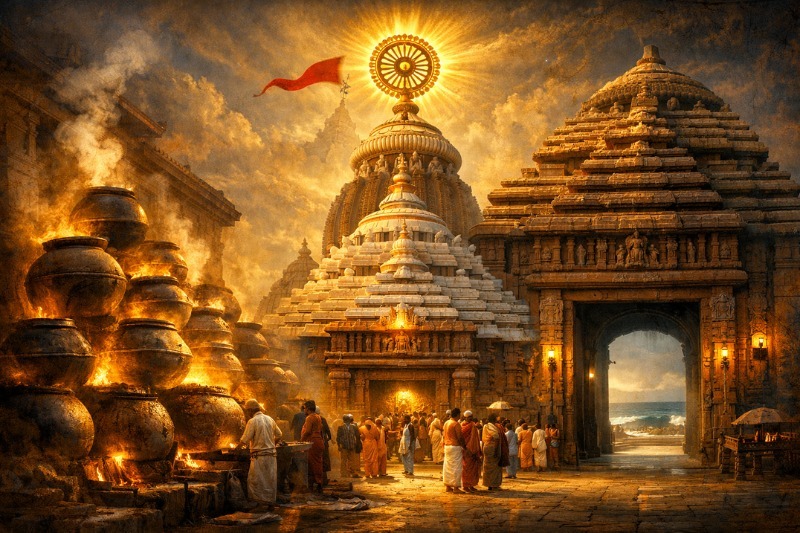
Sri Jagannath Temple : A Marvel of Faith, History and Mystery
Puri : There are temples that you visit, and then there is Sri Jagannath Mandir, a sacred land where faith is felt, not merely seen. For centuries, the holy city of Puri has echoed with the divine name of Mahaprabhu Jagannath, drawing millions of devotees who believe that a single glimpse of the Lord can bring peace to a restless heart.
From the majestic Neela Chakra soaring above the temple to the sacred rituals of Mahaprasad and Nabakalebara, every corner of Sri Mandir carries a story of devotion, tradition and mystery. It is a place where centuries-old customs continue to live, where countless hearts surrender before the Lord, and where devotees believe that Jagannath is not simply worshipped He is experienced.
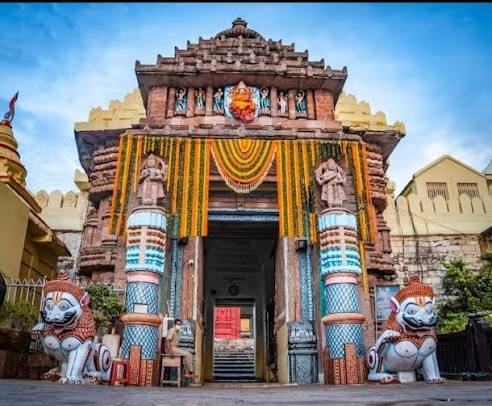
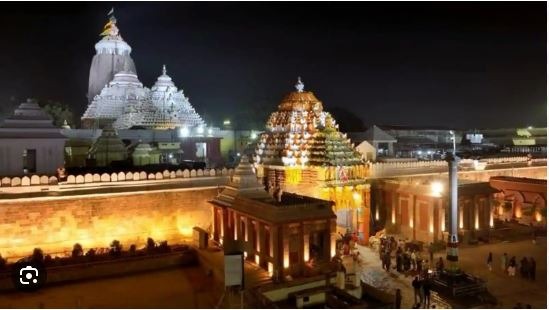
The Sri Jagannath Temple in Puri is not only one of Odisha’s most revered pilgrimage sites but also a monument surrounded by fascinating traditions and architectural marvels. According to the details provided, the temple stands 214 feet 8 inches high and occupies around 10 acres and 634 decimals of land. The temple complex has four main gates, Singhadwar, Ashwadwar, Vyaghradwar and Hastidwar, along with seven wells and 95 subsidiary shrines.
The main temple structure is traditionally described as having four major sections : Vimana, Jagamohana, Natamandap and Bhogamandap. The temple is surrounded by the historic Meghanada Pacheri, reportedly built in 1446 AD, measuring around 665 feet in length and 644 feet in width, with its height varying between 19 and 24 feet. Standing before Singhadwar is the magnificent Aruna Stambha, which is about 33 feet 8 inches high.
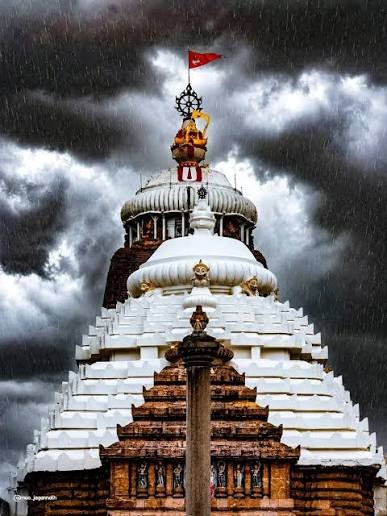
Atop the temple sits the iconic Neela Chakra, traditionally said to be made of eight metals, measuring around 12 feet high and 6 feet 6 inches in diameter, with a reported weight of approximately 1,500 kg.Beyond its architecture, the Sri Mandir is associated with numerous fascinating traditions and beliefs. Devotees point to the Patitapabana Bana, which is traditionally believed to flutter opposite to the direction of the wind.
Another popular belief concerns the temple’s main dome, whose shadow is said not to be visibly cast on the ground. The temple is also famous for the unique experience at Singhadwar, where devotees traditionally say the sound of the sea becomes difficult to hear once they enter the temple and becomes audible again after they step outside.The temple kitchen, or Roshaghara, is another extraordinary part of Jagannath culture.
According to traditional belief, seven earthen pots are stacked one above another while cooking, with the food in the uppermost pot said to cook first despite the fire being below. The preparation of Mahaprasad is also governed by deeply established temple traditions, with devotees believing that it is prepared in such a way that it remains sufficient for the pilgrims who arrive each day.
The most mysterious and spiritually significant ritual is Nabakalebara, which takes place periodically, generally after a gap of 12 to 19 years depending on the occurrence of specific calendar conditions. During this sacred ritual, the wooden forms of Lord Jagannath, Lord Balabhadra, Devi Subhadra and Sudarshan are ceremonially renewed.
The Brahma Padartha, regarded as the innermost sacred element, is traditionally transferred from the old idols to the new ones in a highly confidential ritual performed by designated Daitapati servitors.
According to temple tradition and popular belief, many of these practices and mysteries have been preserved for centuries, making Sri Jagannath Mandir a unique blend of spirituality, architecture, ritual and living heritage.