
 newspop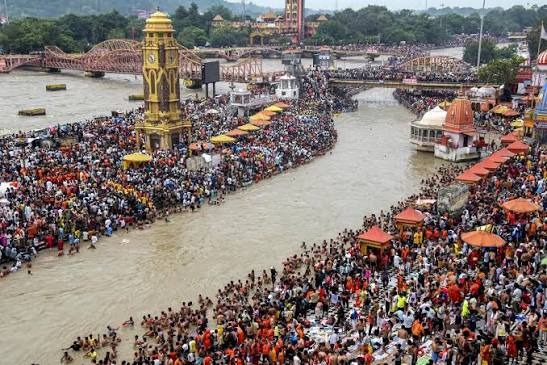
5 Crore Devotees, 7,000 Tonnes of Waste: Haridwar Faces Massive Kanwar Mela Cleanup
HARIDWAR: The massive Kanwar Yatra may have ended, but its environmental aftermath has left parts of Haridwar struggling under mountains of waste, with nearly 7,000 metric tonnes of garbage reportedly generated during the pilgrimage.
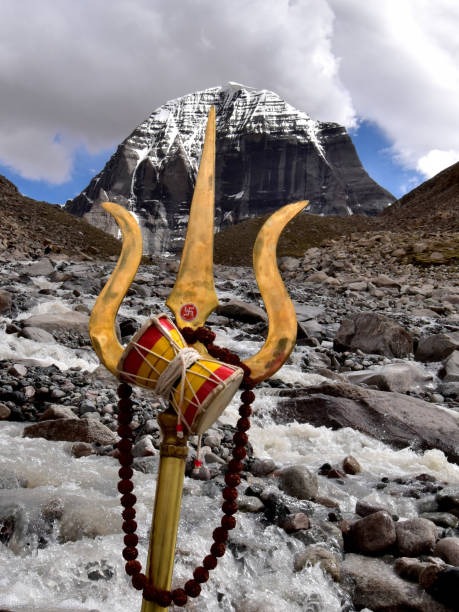
This year, an estimated 4.80 crore Kanwariyas visited Haridwar to collect holy Ganga water, marking the highest turnout in around four decades and surpassing last year’s figure of nearly 4.52 crore devotees.
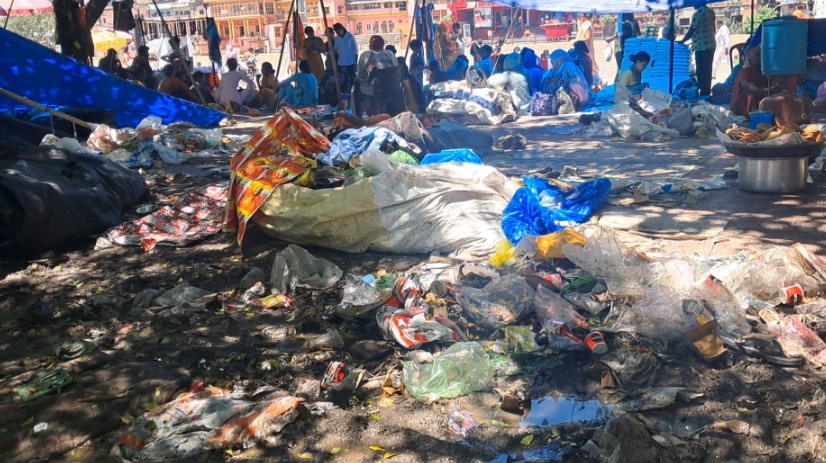
After the pilgrims began returning home following Shivratri, large quantities of discarded clothes, plastic items, bottles and other waste were found scattered across several Ganga ghats, with the iconic Har Ki Pauri among the worst-affected areas.
One of the most disturbing allegations emerged from changing-room areas, where water bottles reportedly filled with urine were found discarded, while viral visuals showed sanitation workers removing the bottles without adequate protective gear such as gloves or masks.
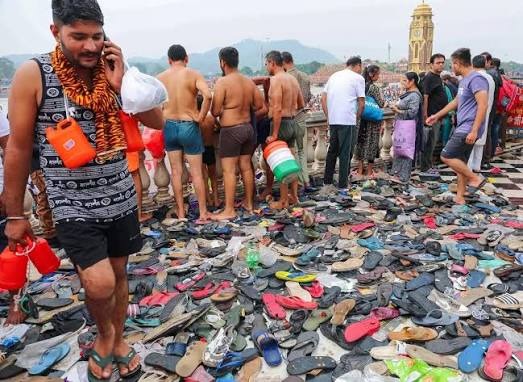
The condition has triggered anger among local residents, who questioned how devotees could come to the Ganga seeking blessings and then leave behind waste that threatens the cleanliness of the same sacred river. The enormous influx of pilgrims also placed unprecedented pressure on the city’s sanitation infrastructure, particularly during the final two days of the mela when heavy traffic prevented municipal garbage-collection vehicles from entering several crowded areas.
Once the rush began to subside late Monday night, municipal teams intensified cleaning operations across the ghats, Kanwar tracks and mela zones. Officials said more than 5,500 metric tonnes of waste had already been removed between July 30 and August 8, while around 1,500 metric tonnes were collected from Har Ki Pauri, other Ganga ghats and Kanwariya routes in just two days.
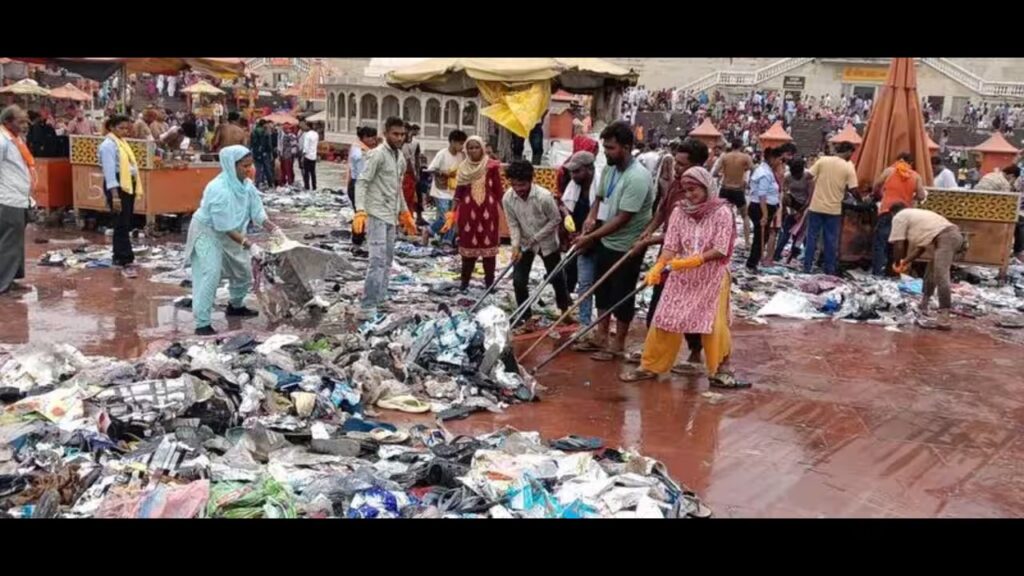
Despite sanitation teams working continuously from the beginning of the pilgrimage, the unprecedented crowd during the final phase severely affected waste-management operations. Municipal Commissioner Nandan Kumar said the cleanup drive had been accelerated from Monday night, with teams working round the clock to restore cleanliness across the pilgrimage areas.
The scale of the waste has once again raised concerns over the environmental cost of mass religious gatherings and the urgent need for stronger waste-management systems, greater public awareness and responsible behaviour to protect Haridwar and the sanctity of the Ganga.