
 newspop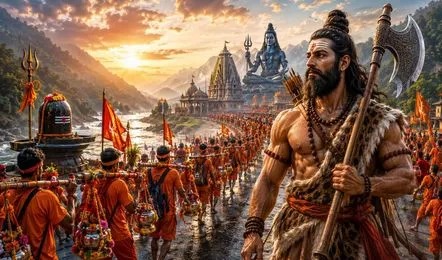
Parshuram, Shravan Kumar or Ravana? The Mystery of the First Kanwariya
New Delhi : When the holy month of Shravan arrives, the roads of India take on a divine and extraordinary sight. Dressed in saffron, chanting “Bol Bam” and “Har Har Mahadev,” countless Kanwariyas walk barefoot for miles, carrying sacred Ganga water on their shoulders.
For these devotees, the journey is not merely a pilgrimage it is an expression of unwavering faith, sacrifice and love for Lord Shiva. Through scorching heat, heavy rain, long distances and physical exhaustion, they continue walking with one purpose: to bring holy Ganga water to a Shiva temple and offer it during Jalabhishek.
But behind this powerful tradition lies a fascinating question : Who was the very first Kanwariya ? Where did this sacred journey begin, and how did carrying Ganga water to Mahadev become one of the most revered traditions of Shravan ?
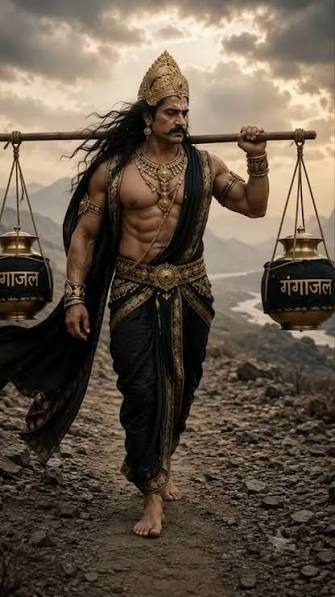
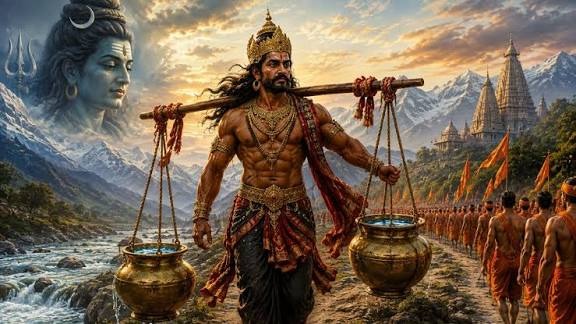
As the holy month of Shravan continues, thousands of Kanwariya devotees are walking long distances carrying sacred Ganga water to offer to Lord Shiva. But have you ever wondered who was the first Kanwariya, and where did the Kanwar Yatra begin? According to different mythological traditions and beliefs, several figures are associated with the origins of the Kanwar Yatra.
One belief credits Lord Parshuram as the first Kanwariya. It is said that he carried Ganga water from Garhmukteshwar and offered it to the ancient Shiva temple of Pura Mahadev near Baghpat, Uttar Pradesh. The tradition is believed to continue even today, with devotees carrying Ganga water during Shravan to perform Jalabhishek at the temple.
Another popular belief connects the tradition with Shravan Kumar, the legendary devotee known for his devotion to his blind parents. According to the story, he carried his parents in a kanwar during their pilgrimage and brought Ganga water from Haridwar, which some traditions consider an early form of the Kanwar pilgrimage.
Some traditions also associate the beginning of the practice with Lord Rama, who is believed to have carried Ganga water from Sultanganj and offered it at Baba Baidyanath Dham.
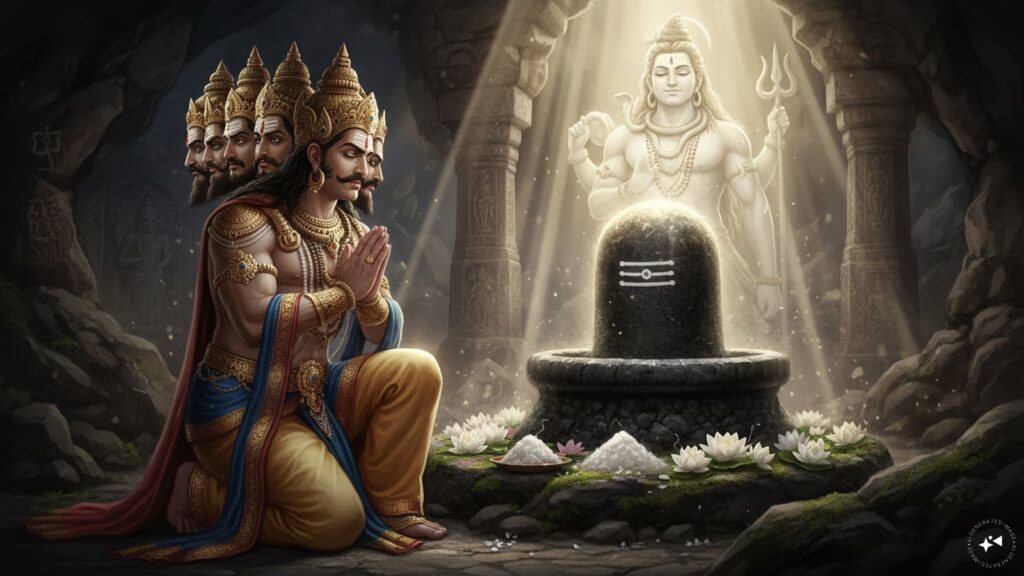
Another powerful legend links the Kanwar tradition to Ravana and the Samudra Manthan. According to mythology, when Lord Shiva consumed the deadly Halahala poison, his throat turned blue, earning him the name Neelkanth. It is believed that Ravana, a devoted follower of Shiva, brought Ganga water and performed Jalabhishek to help ease the effects of the poison.
Some traditions further say that the Devas began offering Ganga water to Lord Shiva to cool the effects of the poison, eventually giving rise to the sacred practice associated with Shravan.
While there is no single historically established account identifying the first Kanwariya, these legends continue to give the Kanwar Yatra deep religious and cultural significance. Today, millions of devotees undertake the journey with one faith in their hearts: “Har Har Mahadev!”