
 newspop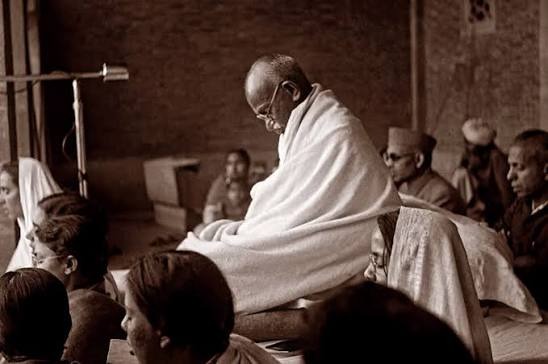
While Delhi Roared With Celebration, Mahatma Gandhi Was in Kolkata Praying, Fasting and Walking Through a City Torn by Communal Violence
Kolkata : On August 15, 1947, India woke up to freedom. The Tricolour rose proudly, streets filled with celebration and millions rejoiced as nearly two centuries of British rule came to an end. But at the very moment history was being made in Delhi, the man who had become the moral force of India’s freedom struggle was not standing at the centre of the celebrations Mahatma Gandhi was in Kolkata, quietly confronting the pain of Partition and communal violence.
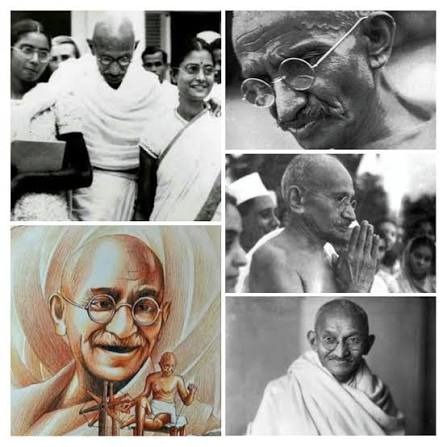
For Gandhi, independence could not be a moment of complete celebration while people were being killed, displaced and driven apart in the name of religion. He had travelled to Bengal not to witness the birth of a new nation from a grand platform, but to try to prevent further bloodshed. Staying at Hyderi Manzil in Beliaghata, Gandhi placed himself in the middle of an area deeply affected by communal tension and worked alongside Muslim League leader Huseyn Shaheed Suhrawardy in an extraordinary attempt to restore trust between Hindus and Muslims.
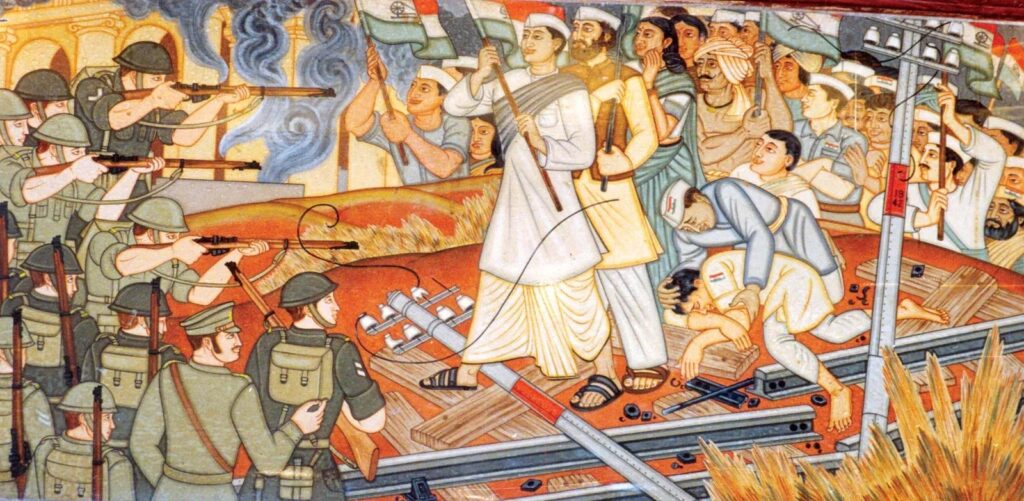
While Delhi celebrated, Gandhi spent August 15 in prayer, fasting and spinning yarn on his charkha, treating the day not as a personal triumph but as a solemn moment to thank God and reflect on the suffering caused by Partition. He questioned the meaning of celebration when people were still living in fear and hunger, and reminded India’s new leaders that independence brought not merely power, but a tremendous responsibility to serve the poorest and most vulnerable.
His presence in Kolkata soon produced what many regarded as almost miraculous results : on Independence Day, Hindus and Muslims came together in parts of the city, violence dramatically subsided and an atmosphere of hope began to replace fear. Yet Gandhi knew that one peaceful day was not enough. When communal tensions threatened to return, he once again turned to his most powerful weapon non-violence and fasting until leaders and communities pledged to restore peace. His mission demonstrated the extraordinary influence of a man who carried no army and no weapons, yet could inspire people to put down their hatred.
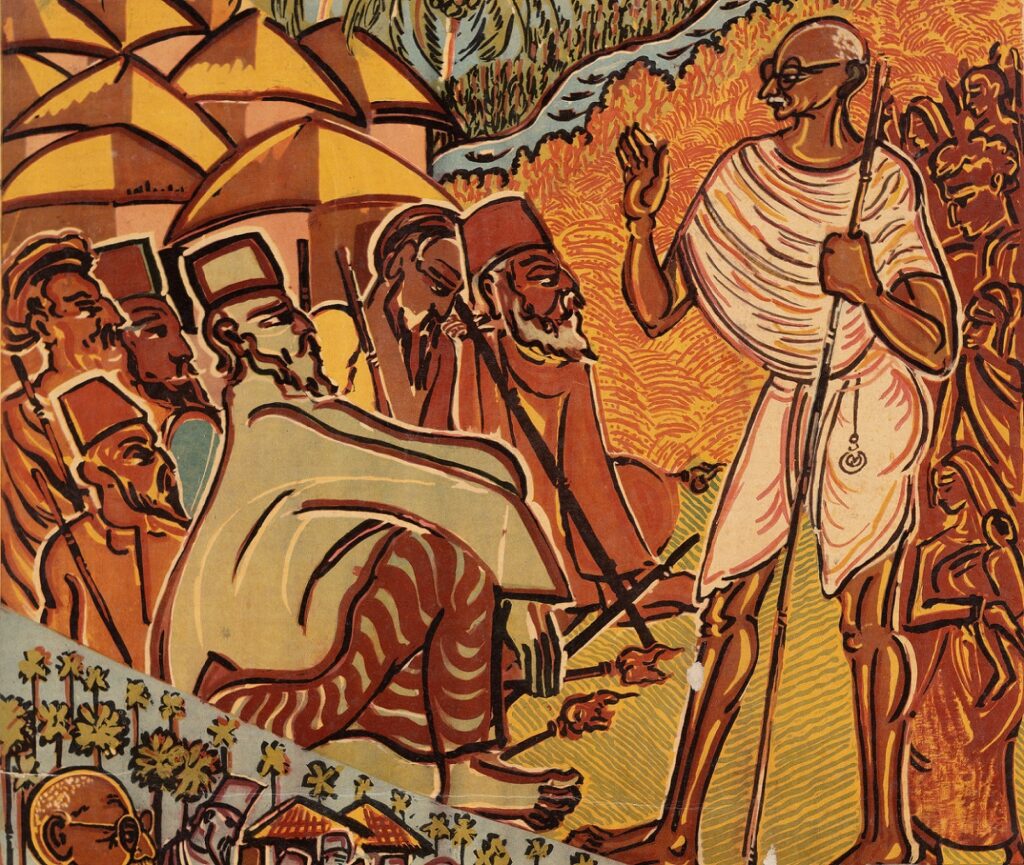
Gandhi would remain in Kolkata for weeks before eventually leaving for Delhi, where another crisis awaited him. His journey through the violence of Partition revealed a profound truth about his understanding of freedom, India’s independence was not complete merely because British rule had ended; true freedom would exist only when people could live without fear, hatred and violence.
On the day India celebrated its freedom, Gandhi stood among the wounded spirit of a divided nation not because he rejected independence, but because he believed that freedom without peace, unity and humanity was still an unfinished dream.