
 newspop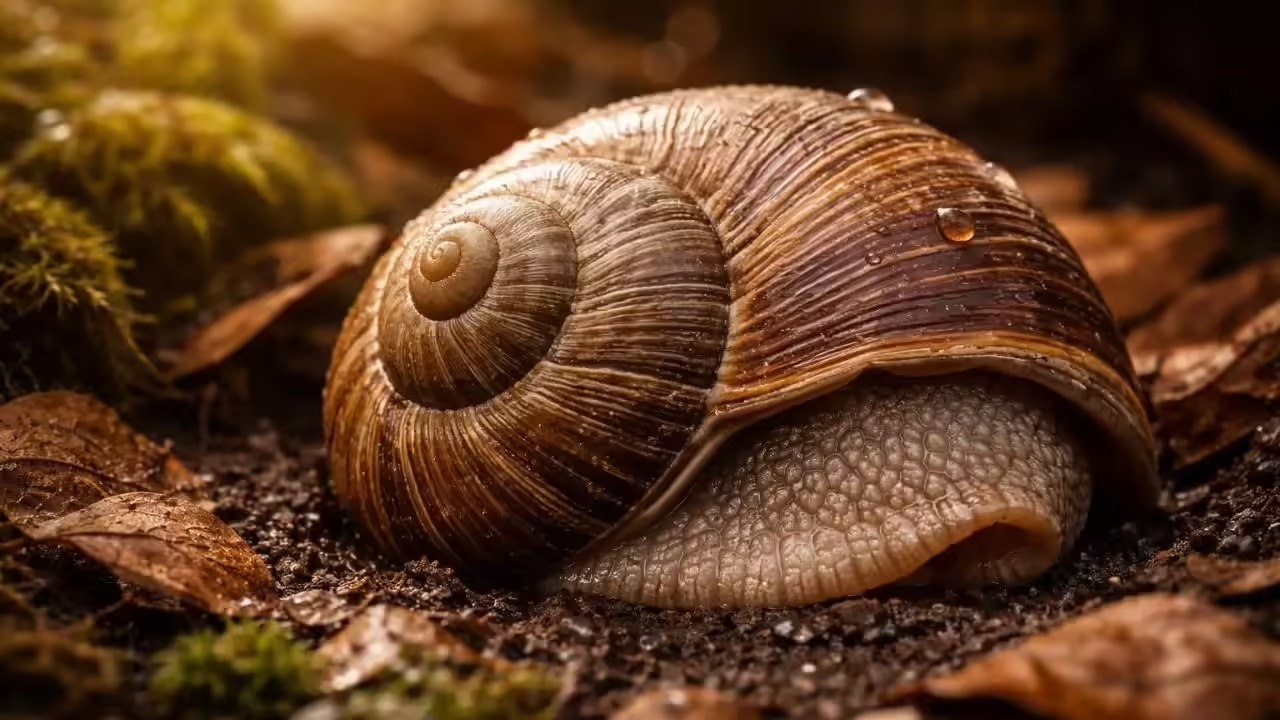
Too Hot, Too Dry ? Snails Have a Secret Weapon They Shut Down
SPECIAL STORY : Tiny Body, Incredible Survival Power
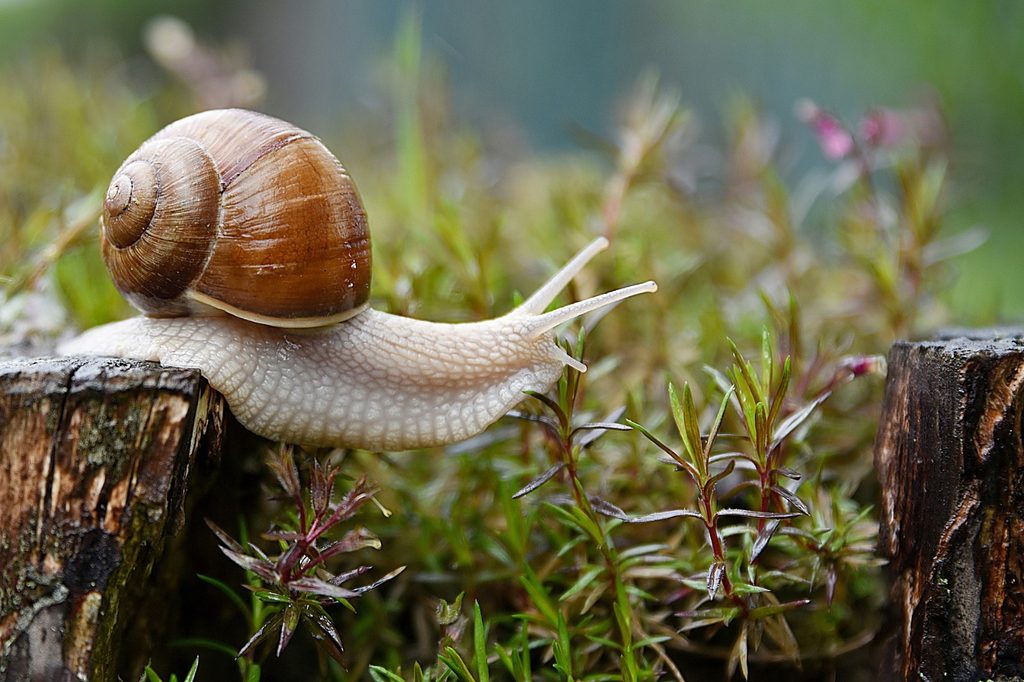
What if we told you that a creature famous for moving just a few centimetres at a time can sometimes wait out extreme weather for months and in exceptional cases, even years ? When heat becomes unbearable, rain disappears and moisture becomes scarce, some snails have an extraordinary survival trick: they retreat into their shells, slow their bodies down and enter a dormant state until conditions improve. It may look like the snail has simply fallen asleep, but behind that stillness is a remarkable natural strategy designed to save water, conserve energy and survive when the environment becomes hostile.
Slow on the outside, but incredibly smart when it comes to survival snails are nature’s tiny masters of patience!
Snails may be known for their slow movement, but their ability to survive extreme weather is nothing short of amazing. When environmental conditions become too harsh especially when there is extreme heat, prolonged drought or a lack of moisture some species of land snails can enter a deep dormant state and remain inactive for extraordinarily long periods.
While the phrase “snails can sleep for three years” is often used to describe this phenomenon, it is more accurately described as dormancy, rather than ordinary sleep. Depending on the species and environmental conditions, some snails can remain inactive for months and, in exceptional cases, reportedly for several years.
Why Would a Snail Stay Dormant for Years ?
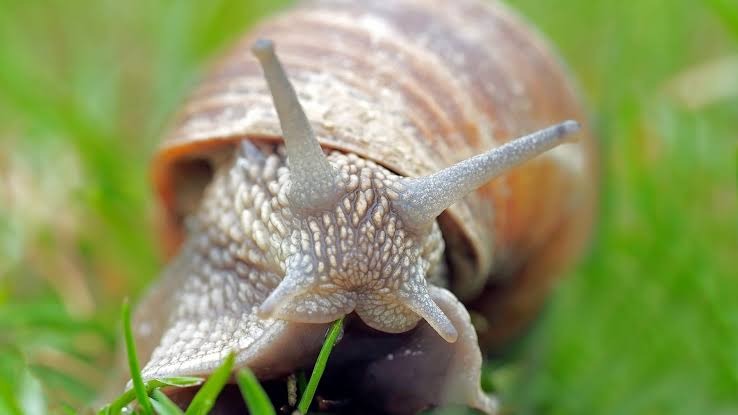
Moisture is essential for many land snails. Their soft bodies can lose water quickly, making prolonged periods of heat and dryness extremely dangerous.
Instead of continuing to move around and risk dehydration, a snail can retreat deep inside its shell and dramatically slow down its metabolism. This allows the animal to conserve precious water and energy until conditions improve.
During particularly hot and dry periods, this survival strategy is known as aestivation. In colder environments, some snail species may enter hibernation, another form of dormancy that helps them survive unfavourable conditions.
The Shell Becomes a Survival Shelter
One of the most fascinating parts of this process is what happens at the entrance of the shell.
Some land snails produce a dried mucus layer called an epiphragm, which can partially or almost completely seal the shell opening. This protective barrier helps reduce moisture loss and provides an additional layer of protection while the snail remains inactive.
Inside its shell, the snail can conserve energy and water far more effectively than it could while remaining active in the harsh environment.
Waiting for Better Weather
During dormancy, the snail’s normal activities can slow dramatically. It may stop feeding, stop moving and greatly reduce its energy requirements.
Once rain returns, humidity rises or temperatures become more suitable, the snail can gradually become active again. It may emerge from its shell and resume its normal activities—sometimes after an astonishingly long period of inactivity.
This ability gives snails a remarkable advantage in environments where weather conditions can change dramatically.
A Tiny Animal With a Huge Survival Secret
The idea that a snail could remain dormant for years may sound unbelievable, but it highlights one of nature’s most fascinating survival mechanisms.
For humans, waiting years for favourable conditions would seem impossible. For certain snails, however, slowing down, hiding inside their shells and conserving every possible drop of moisture can be the difference between survival and death.
So, the next time you see a snail slowly moving through a garden after rainfall, remember that this tiny creature is equipped with an incredible natural survival system.
It may move slowly but when nature turns harsh, the snail knows exactly when to stop, conserve energy and wait for better days.