

 newspop
Climate Crisis Deepens as Ocean Heat Reaches Alarming Levels
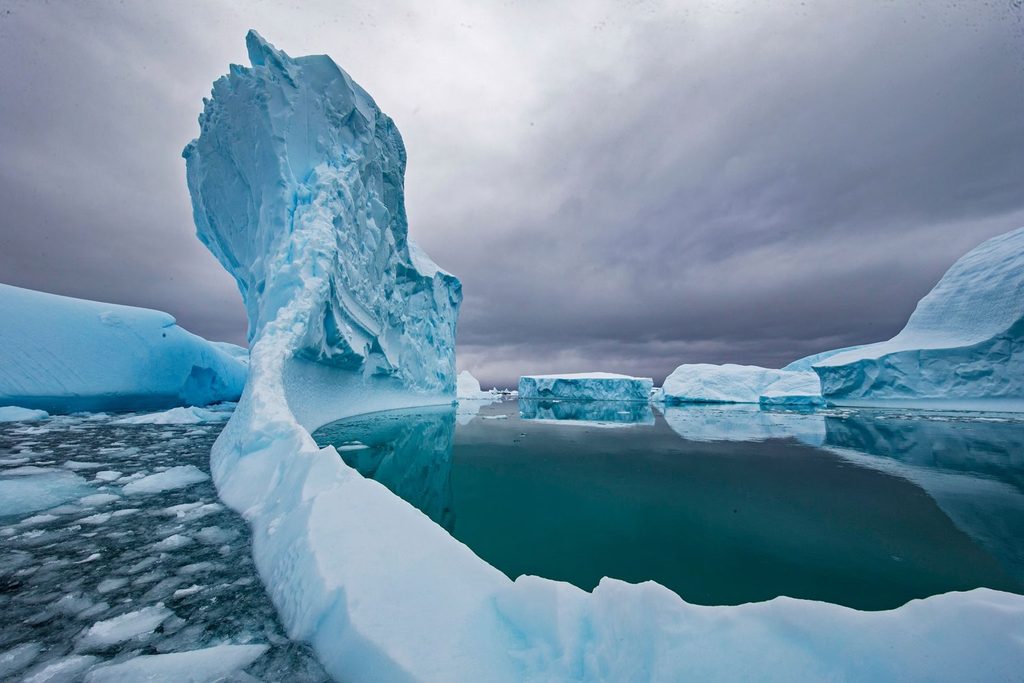
The climate crisis is no longer being felt only on land. The world’s oceans are heating up at an alarming rate, with sea surface temperatures reaching a new record in August.
The average global sea surface temperature reportedly touched 21.1°C, surpassing the previous record of 21.09°C. Scientists say the unprecedented ocean heat is another major warning sign of the rapidly changing global climate.
El Niño Adds to the Rising Heat
According to scientists, the warming is being driven by a combination of human-caused global warming and the El Niño climate phenomenon.
El Niño is a natural climate pattern that can raise global temperatures and disrupt weather patterns across different parts of the world. However, scientists emphasize that the current warming is occurring on top of a long-term rise in temperatures caused by human activities, particularly the burning of fossil fuels.
Why Are Warmer Oceans a Major Concern ?
The oceans absorb more than 90% of the excess heat trapped by greenhouse gases. As the oceans continue to warm, the consequences are being felt across marine ecosystems and coastal communities.
Rising ocean temperatures can contribute to:
🔴 Sea-level rise as warmer water expands
🔴 More intense marine heatwaves
🔴 Greater risks from powerful storms
🔴 Damage to coral reefs and marine ecosystems
🔴 Threats to fisheries and coastal livelihoods
🔴 Increased flooding risks for coastal communities
Warm oceans can also release more energy and moisture into the atmosphere, potentially intensifying heavy rainfall and storms.
A Warning Sign for the Planet
Scientists say the record ocean temperatures should be treated as a serious warning about the accelerating climate crisis.
Marine heatwaves are becoming more frequent and lasting longer, putting enormous pressure on marine species. Coral reefs, fisheries and other ocean ecosystems are particularly vulnerable to prolonged periods of extreme heat.
At the same time, coastal communities face growing risks from rising sea levels and extreme weather events.
The Ocean Is Sending a Clear Message
The latest record highlights how closely the health of the oceans is connected to the future of the planet.
Experts say reducing greenhouse-gas emissions and dependence on fossil fuels is essential to slowing global warming. Protecting marine and coastal ecosystems including wetlands, mangroves, kelp forests and coral reefs can also help strengthen the planet’s natural defenses.
The message from scientists is clear, the climate crisis is not just making our land hotter it is heating the oceans that cover most of our planet.