
 newspop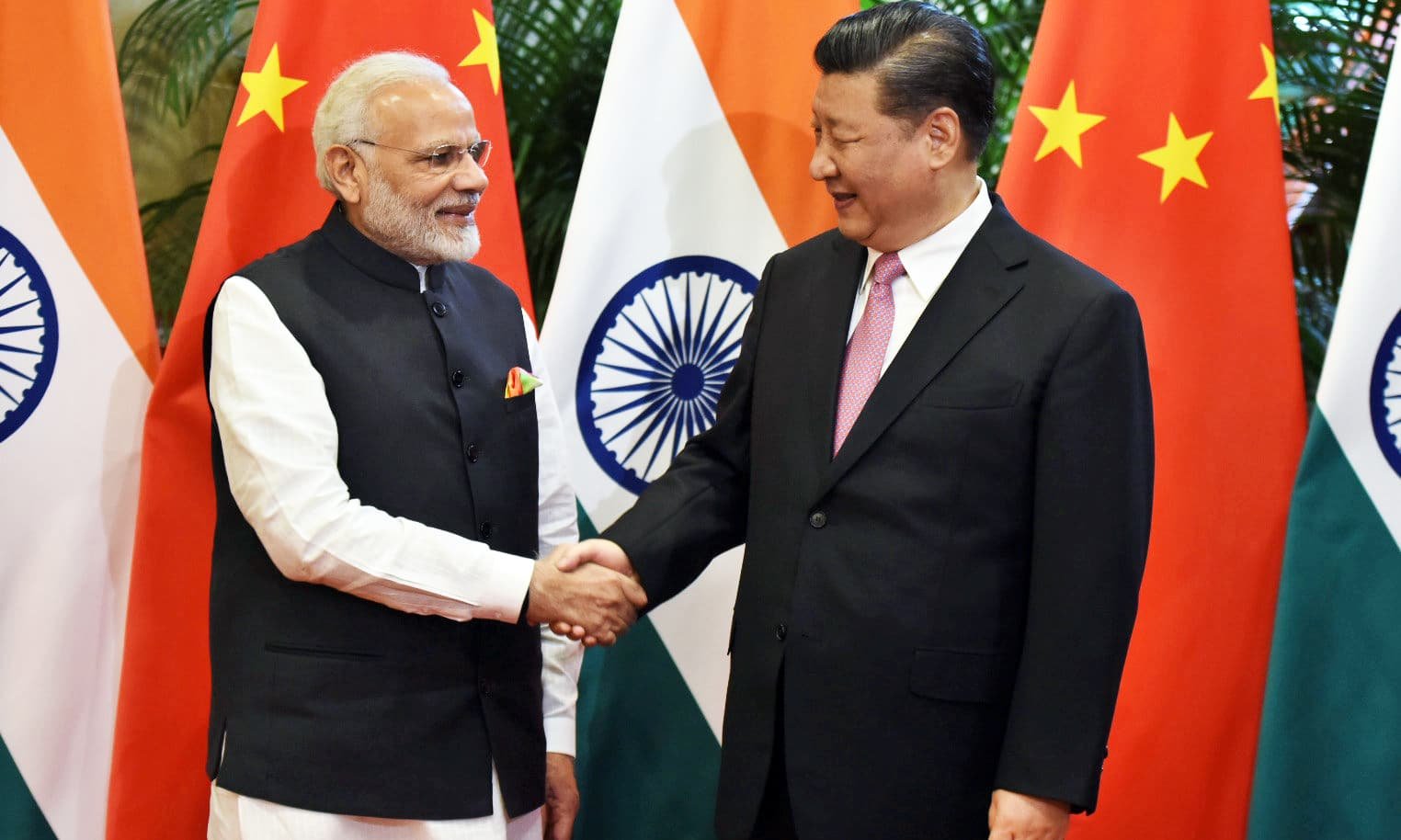
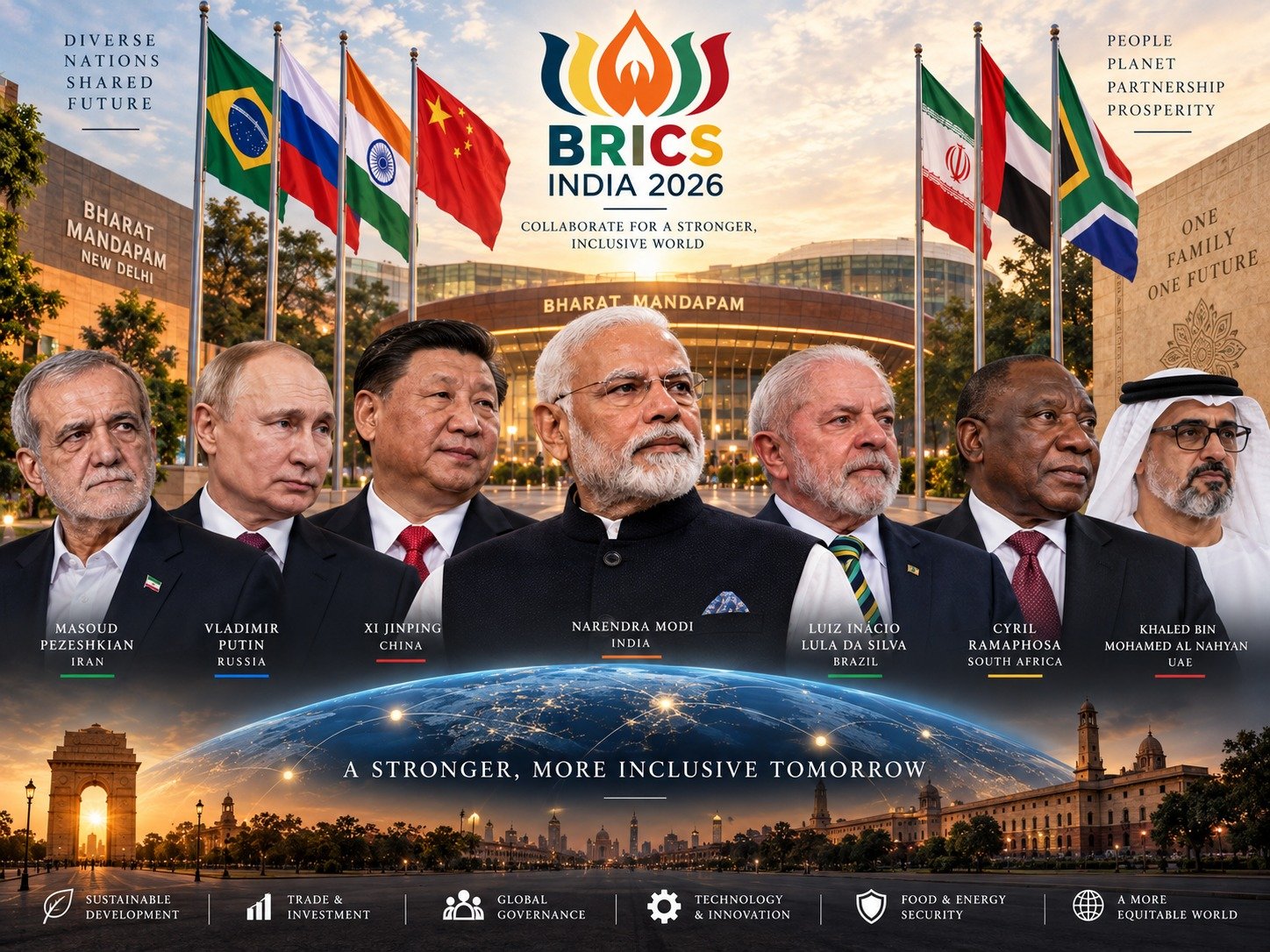
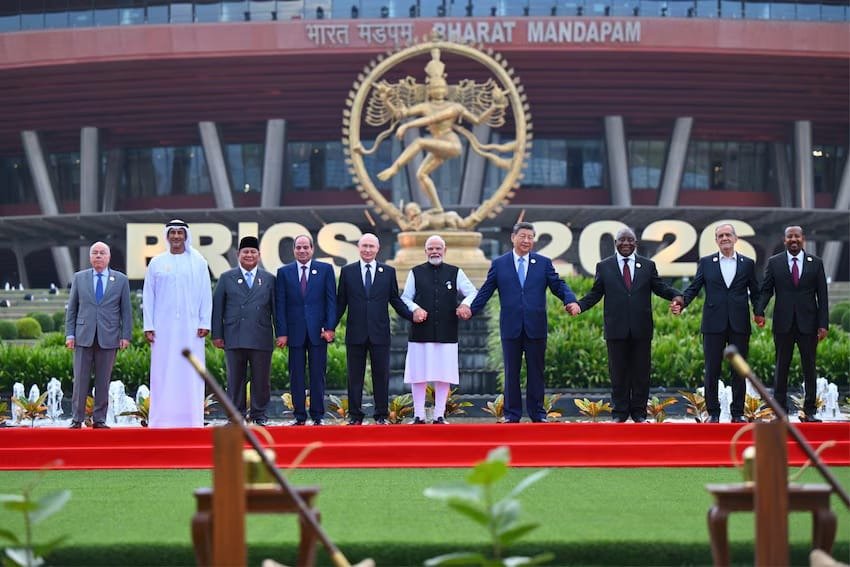
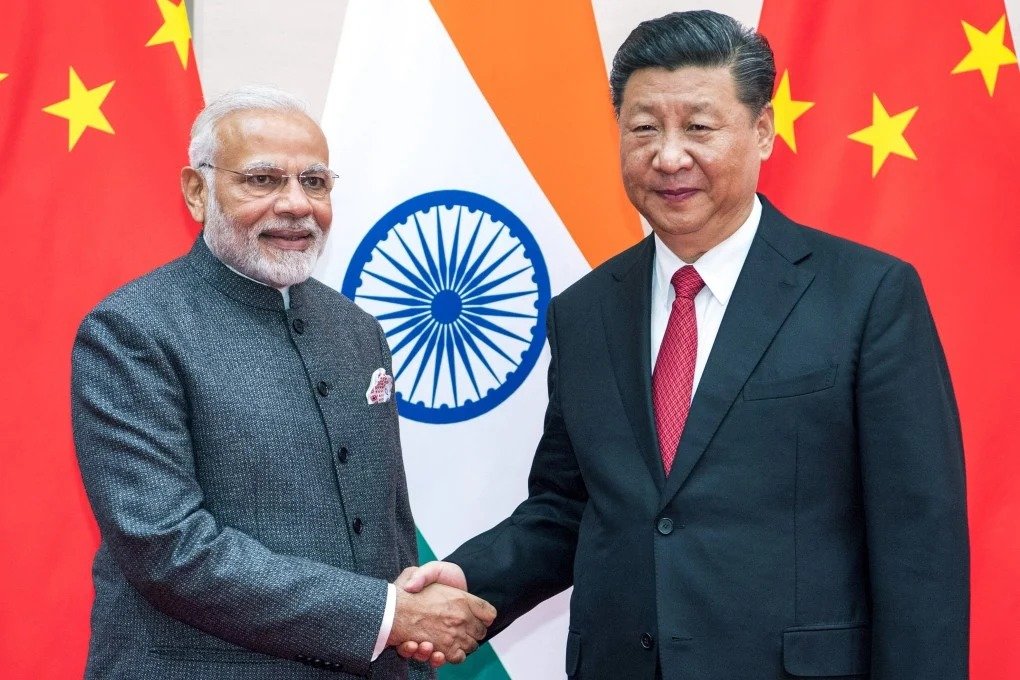
New Delhi : Chinese President Xi Jinping is visiting India on September 12–13 at the invitation of Prime Minister Narendra Modi. China announced this visit on Thursday. Xi is coming to India to participate in the BRICS summit.
It is worth noting that this will be Xi Jinping’s first visit to India in seven years. According to diplomatic sources, a bilateral meeting with Prime Minister Modi has been scheduled for Saturday evening.
Until yesterday, there had been persistent uncertainty regarding Xi Jinping’s visit to India. Now, new information has come to light. The situation can be understood in this context: there had been speculation regarding the delay in China’s official announcement of the visit.
However, Beijing had actually formally informed India about Xi Jinping’s visit weeks in advance. China had requested visas for the President’s delegation from the Indian Embassy in Beijing as early as August 27.
According to sources, a 67-member official delegation is accompanying Xi Jinping to India. This delegation includes Cai Qi—a member of the Standing Committee of the Political Bureau of the Communist Party of China (CPC) and considered a close confidant of Xi Jinping—as well as Foreign Minister Wang Yi.
Additionally, a separate business delegation is also arriving. The President’s visit will last exactly 24 hours; he will arrive at 12:10 PM on Saturday and depart at 12:20 PM the following day.
According to available information, Xi Jinping will arrive at Bharat Mandapam around 2:00 PM on Saturday, where PM Modi will welcome him. Following this, the two leaders will participate in a bilateral meeting, the BRICS closed-door session, and a dinner hosted by PM Modi at 7:30 PM.
It is noteworthy that this visit takes place against the backdrop of a positive shift in India-China relations following the BRICS summit held in Kazan in 2024. The meeting in Kazan paved the way for resolving the 2020 military standoff in Eastern Ladakh and easing tensions between the two nations.
During this meeting, PM Modi is likely to strongly raise issues such as trade balance, fair market access, and supply chain reliability to further enhance economic cooperation between the two countries.