
 newspop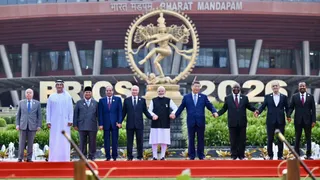
Key Discussions Held with Xi Jinping, Putin, and the UN Chief
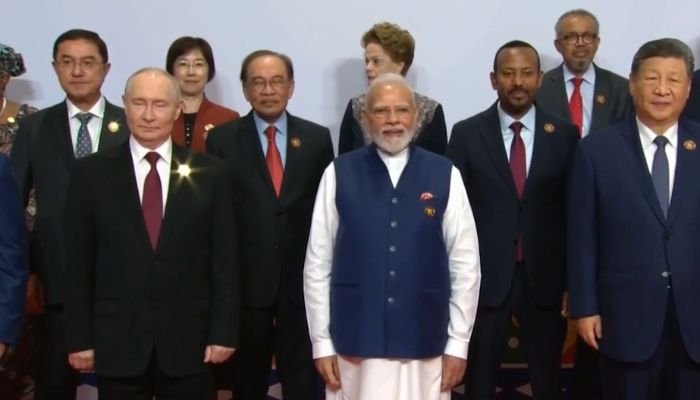
New Delhi : On the sidelines of the 18th BRICS Summit in New Delhi, Prime Minister Narendra Modi held 15 bilateral meetings with heads of state and government over three days; additionally, he engaged in various other interactions with world leaders and heads of international organizations.
According to reports, amidst a busy diplomatic schedule, PM Modi directly engaged with leaders from Russia, China, Iran, Africa, Southeast Asia, the Gulf, and other regions. Discussions covered bilateral relations, trade, investment, connectivity, critical minerals, and major regional and global developments.
These meetings took place while India was hosting the BRICS Summit under its presidency, bringing together nations with diverse geopolitical stances.
The bilateral meetings provided New Delhi with an opportunity to advance its strategic and economic priorities alongside the summit’s broader agenda.
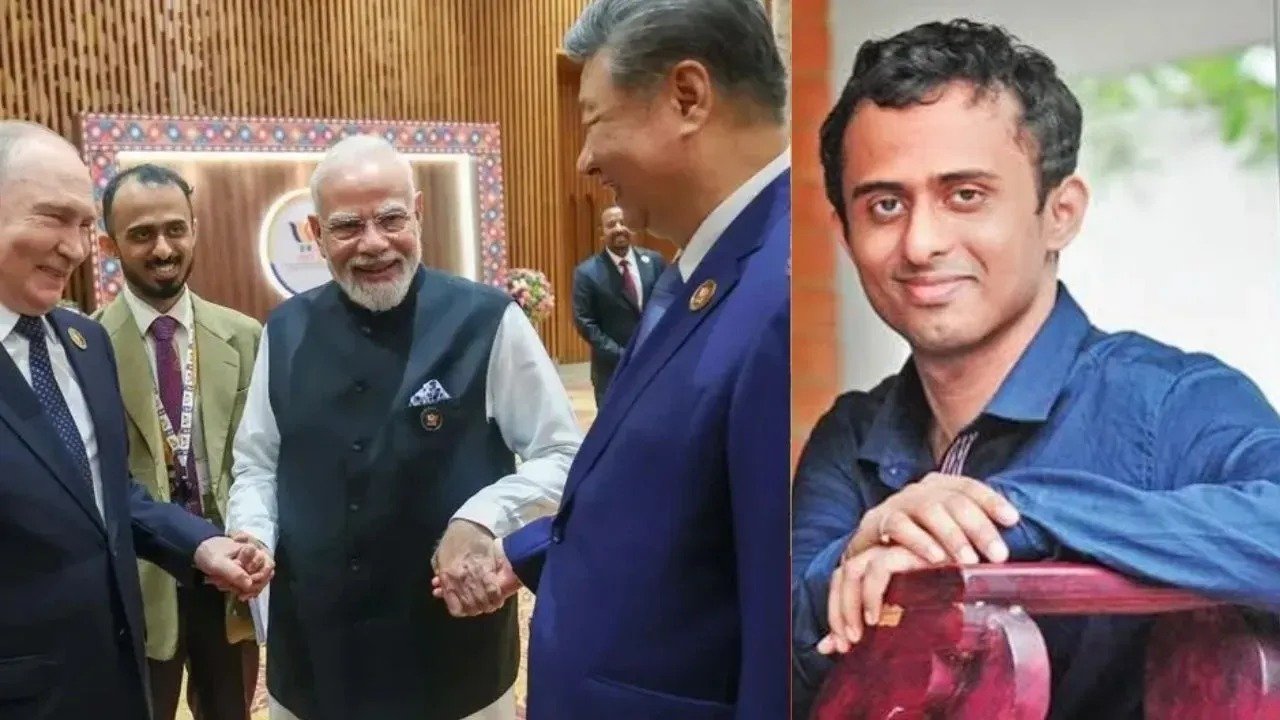
On September 11, PM Modi held separate meetings with Russian President Vladimir Putin and Iranian President Masoud Pezeshkian. The Modi-Putin meeting focused on the India-Russia strategic partnership, with both leaders reviewing cooperation in defense, energy, trade, infrastructure, technology, critical minerals, and civil nuclear energy.
They also discussed the Russia-Ukraine conflict, the situation in West Asia, and the impact on maritime trade and the safety of Indian seafarers.
PM Modi also met with Iranian President Masoud Pezeshkian, discussing India-Iran relations, BRICS cooperation, and developments in West Asia. PM Modi reiterated India’s support for dialogue and diplomacy and emphasized the importance of long-lasting peace and stability in the region.
On the same day, PM Modi met with UN Secretary-General António Guterres, adding a multilateral dimension to his diplomatic engagements.
On September 12, PM Modi held bilateral meetings with Ethiopian Prime Minister Abiy Ahmed Ali, Malaysian Prime Minister Anwar Ibrahim, UAE Crown Prince Sheikh Khaled bin Mohamed bin Zayed Al Nahyan, the Vietnamese leadership, and Chinese President Xi Jinping.
The meeting with Xi was one of the most closely watched engagements of the summit. Both leaders discussed India-China relations, the boundary question, peace along the border, economic and trade ties, supply chains, and people-to-people exchanges.
PM Modi emphasized that differences should not turn into disputes and underscored the importance of mutual respect, sensitivity, and shared interests in guiding bilateral relations. The meeting with Malaysian Prime Minister Anwar Ibrahim covered areas such as trade, investment, defense, semiconductors, infrastructure, the digital economy, energy, and fintech.
PM Modi’s meeting with Ethiopian Prime Minister Abiy Ahmed Ali focused on strengthening bilateral cooperation and India’s engagement with Africa.
He also held talks with UAE Crown Prince Sheikh Khaled bin Mohamed bin Zayed Al Nahyan, discussing the India-UAE strategic partnership and cooperation in sectors such as defense, technology, energy, critical minerals, and connectivity.
On September 13, PM Modi held bilateral meetings with South African President Cyril Ramaphosa, Kazakh President Kassym-Jomart Tokayev, Philippine President Ferdinand R. Marcos Jr., Egyptian President Abdel Fattah El-Sisi, and Burundian President Evariste Ndayishimiye.
As per the schedule of bilateral meetings, he also met with the leadership of Uganda and Nigeria. These meetings expanded India’s diplomatic outreach across Africa, Central Asia, and Southeast Asia, focusing on strengthening bilateral partnerships and enhancing cooperation in areas of mutual benefit.
Discussions with South African President Cyril Ramaphosa were particularly significant for the BRICS group, given South Africa’s status as a founding member of the bloc and a key partner for India in advancing the interests of the Global South.
Meetings with Egypt and Burundi further solidified India’s engagement with African partners, while talks with Kazakhstan expanded its reach into Central Asia.
Alongside the earlier meeting with Malaysia, discussions with the Philippines added another crucial Southeast Asian dimension to PM Modi’s diplomatic schedule.
In addition to the 15 formal meetings, numerous informal interactions took place with other visiting leaders and representatives of international institutions. This diplomatic activity underscores the high priority India placed on bilateral engagement during its BRICS presidency.
While the summit provided a platform for collective deliberations among the expanded group, the separate meetings offered PM Modi the opportunity to engage directly with various leaders on the specific priorities of their respective nations.
These meetings occurred against a backdrop of geopolitical uncertainty, with ongoing conflicts in West Asia and Ukraine impacting energy markets, maritime trade, and global supply chains.
Consequently, the 15 bilateral meetings along with the accompanying informal interactions played a pivotal role in PM Modi’s diplomatic efforts during India’s BRICS presidency.
Report – Abhijit Tushar Bhatt (Political Editor)