
 newspop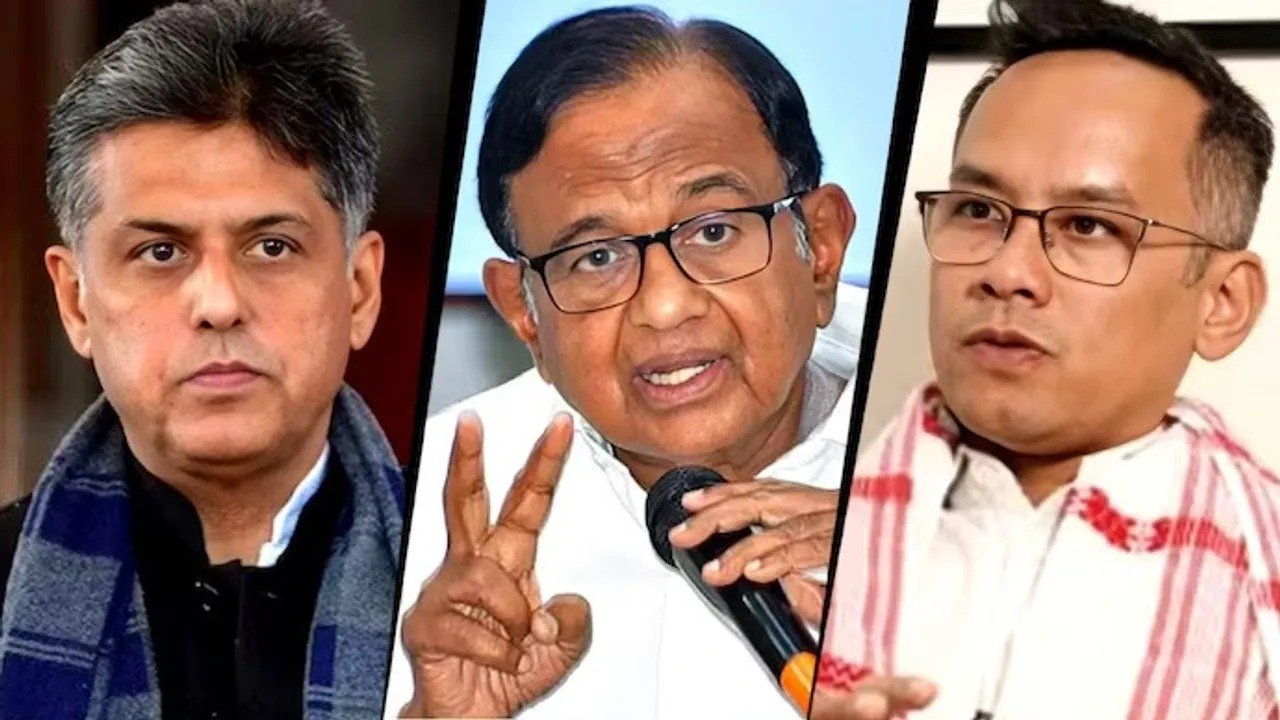
Rahul Gandhi Opposes UPI MDR, BJP Points to Congress MPs’ Parliamentary Stand
New Delhi : A fresh political storm has erupted over the proposed Merchant Discount Rate (MDR) on UPI transactions, with the BJP questioning the Congress’ current opposition by pointing to the earlier recommendations of the Parliamentary Standing Committee on Finance. The controversy comes after the government announced a new MDR framework under which merchant UPI transactions above ₹2,000 will attract a fee from October 15, 2026, while Congress leader and Lok Sabha Leader of Opposition Rahul Gandhi has criticised the move and demanded its withdrawal, describing it as a “UPI tax.”
According to BJP and government sources, five Congress MPs who were members of the Finance Committee former Finance Minister P. Chidambaram, Manish Tewari, Gaurav Gogoi, Kishori Lal and K. Gopinath were present when the committee adopted its report on August 12, with no dissent recorded in the published proceedings. The committee had recommended a tiered MDR/revenue framework for UPI, arguing that a sustainable revenue mechanism was necessary to support the long-term financial viability of the digital payments ecosystem and reduce continued dependence on government support.
The panel also called for the framework to be notified and operationalised without delay. The BJP is now using that recommendation to question why Congress leaders are opposing the current MDR framework, while the Congress has raised concerns over the impact of charges on UPI payments.
Under the newly reported framework, the MDR will apply to certain merchant transactions above ₹2,000, with the fee structure designed around transaction value and specific categories; reports also say small merchants meeting specified conditions will remain exempt. The government has said the MDR is not a tax collected by the government or NPCI, and that the charges are intended to support participants across the payment ecosystem, including banks and payment service providers.
The dispute has therefore moved beyond the question of UPI charges itself and into a wider political argument over how India should fund the rapidly expanding digital-payments infrastructure, including cybersecurity, fraud prevention and network investments.
With the BJP highlighting the Finance Committee’s earlier recommendation and the Congress opposing the present implementation, the UPI MDR issue has emerged as a new flashpoint between the government and the Opposition, putting the spotlight on whether the parliamentary recommendation and the currently announced fee structure are being interpreted in the same way by both sides.



 Mudasir Maqbool