
 newspop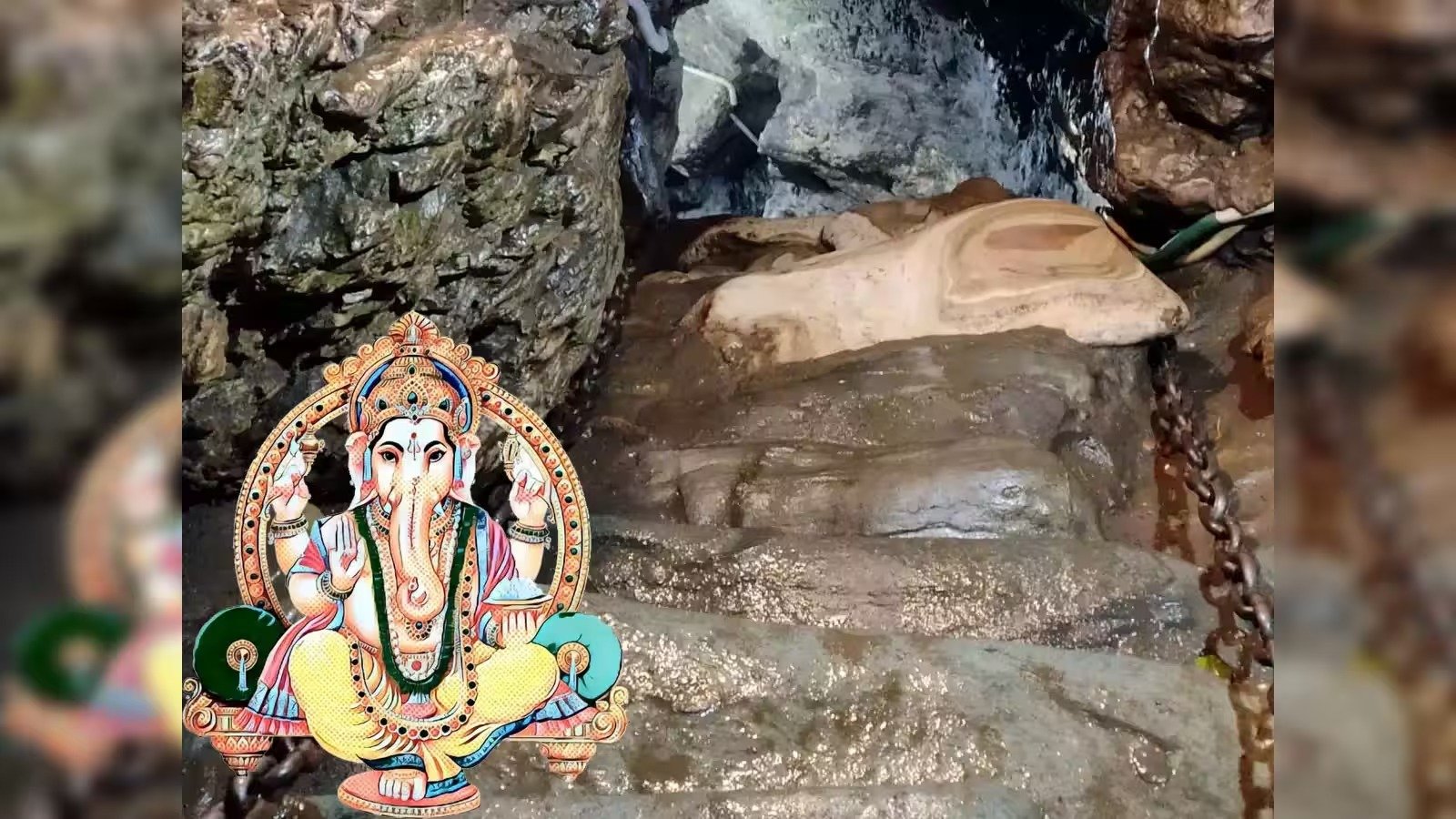
When This Stone Touches the Cave Ceiling, Kali Yuga Will End ? The Ancient Belief Explained
SPECIAL STORY : Deep inside the hills of Uttarakhand lies Patal Bhuvaneshwar, a fascinating underground cave near Gangolihat in Pithoragarh district, surrounded by ancient traditions, religious beliefs and mysterious legends that continue to intrigue devotees and visitors. According to a popular religious belief associated with the cave, the human head of Lord Ganesha the head that was severed before he received the elephant head and became Gajanan is believed to be preserved inside this sacred underground world. The story begins with Goddess Parvati, who, according to Hindu mythology, created Ganesha from the turmeric paste of her body and appointed him to guard the entrance while she was inside.
When Lord Shiva arrived and Ganesha refused to let him enter, a fierce confrontation followed, and mythology describes Shiva severing Ganesha’s head with his weapon. After Parvati’s grief and anger, Ganesha was eventually restored with an elephant’s head and became widely revered as Lord Ganesha, the remover of obstacles and the deity traditionally worshipped before auspicious beginnings.
But what happened to his original human head ?
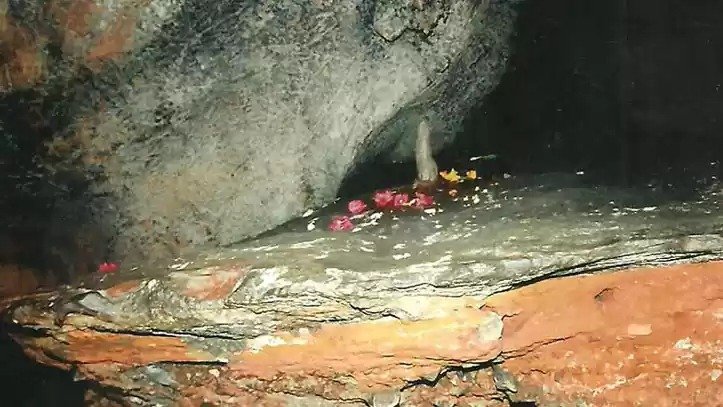
A fascinating local belief connects that unanswered question with Patal Bhuvaneshwar. Inside the cave, a naturally formed rock is revered by devotees as ‘Adi Ganesh’, believed to represent the original form of Lord Ganesha. Another remarkable feature associated with the site is a stone formation resembling a Brahma Kamal with 108 petals, from which water droplets are said to fall continuously or periodically onto the sacred rock formation below, adding to the mystical atmosphere of the cave. But the legends of Patal Bhuvaneshwar do not stop with Lord Ganesha.
The cave is also associated with the concept of the four Yugas. Four stone formations inside the cave are traditionally believed by devotees to represent Satya Yuga, Treta Yuga, Dvapara Yuga and Kali Yuga. Among them, one stone is popularly believed to represent Kali Yuga, and local religious tradition says that it is gradually moving or rising upward.
The most dramatic part of the legend claims that when this stone eventually touches the ceiling of the cave, Kali Yuga will come to an end. Some versions of the local folklore even connect the event with a great transformation or pralaya, making the cave a subject of fascination for generations of believers.
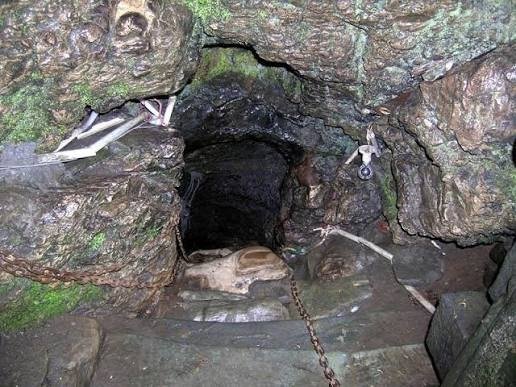
Another intriguing legend says that Patal Bhuvaneshwar contains a hidden or mysterious passage leading towards Mount Kailash, while folklore connected with the Mahabharata also associates the cave with the Pandavas, who are believed to have visited the region during their journey towards the Himalayas and their final ascent.
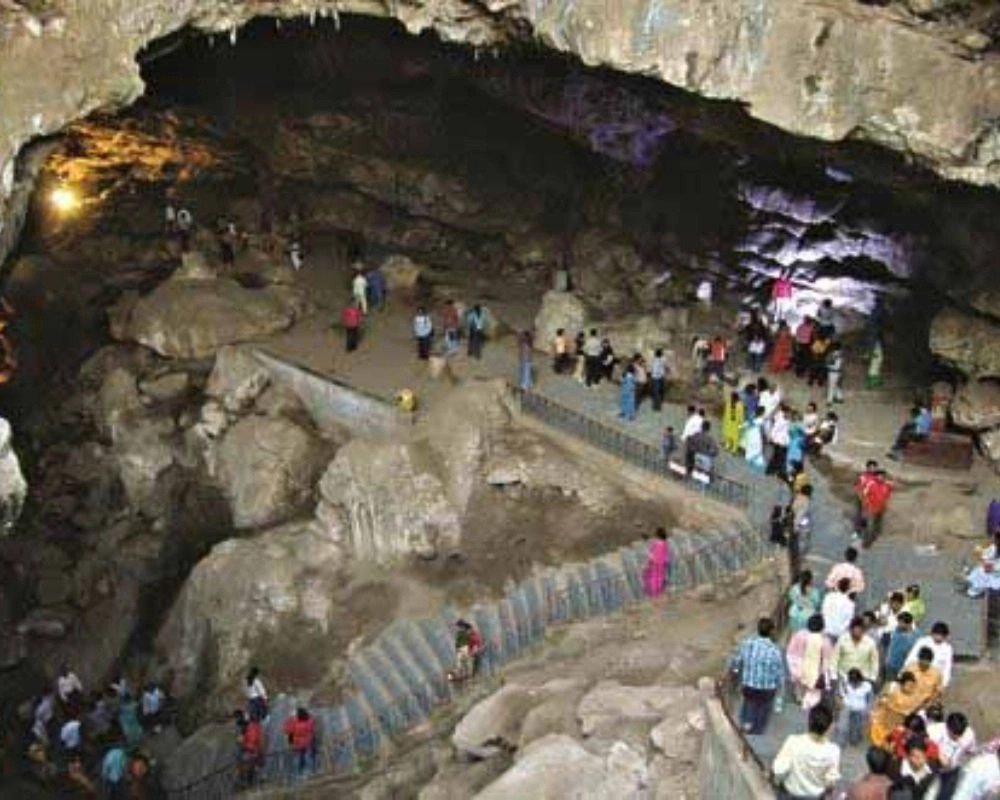
The cave’s unusual natural rock formations, underground passages and religious significance have therefore created a unique combination of geology, mythology, devotion and folklore. For devotees, these formations are sacred symbols carrying deep spiritual meaning, while for visitors, the cave offers a remarkable glimpse into how natural formations can become part of centuries-old religious traditions and stories. The legend of Ganesha’s lost head, the Adi Ganesh rock, the 108-petalled Brahma Kamal formation, the four Yuga stones, the mysterious water droplets and the alleged hidden route towards Kailash has made Patal Bhuvaneshwar one of the most intriguing sacred cave sites associated with Hindu mythology.
However, it is important to note that these claims about Ganesha’s original head, the rising stone ending Kali Yuga, a passage to Kailash and the Pandavas’ visit are religious beliefs and local legends, not established historical or scientific facts.
There is no scientific evidence demonstrating that a human head belonging to the mythological account is physically preserved inside the cave or that the stone’s movement can determine the end of an age. Yet, beyond the question of whether the legends can be scientifically proven, Patal Bhuvaneshwar continues to captivate people because of the extraordinary stories, sacred traditions and naturally formed structures found deep beneath the Himalayan landscape. A cave, a legend, an ancient belief and a mystery that continues to fascinate generations.