
 newspop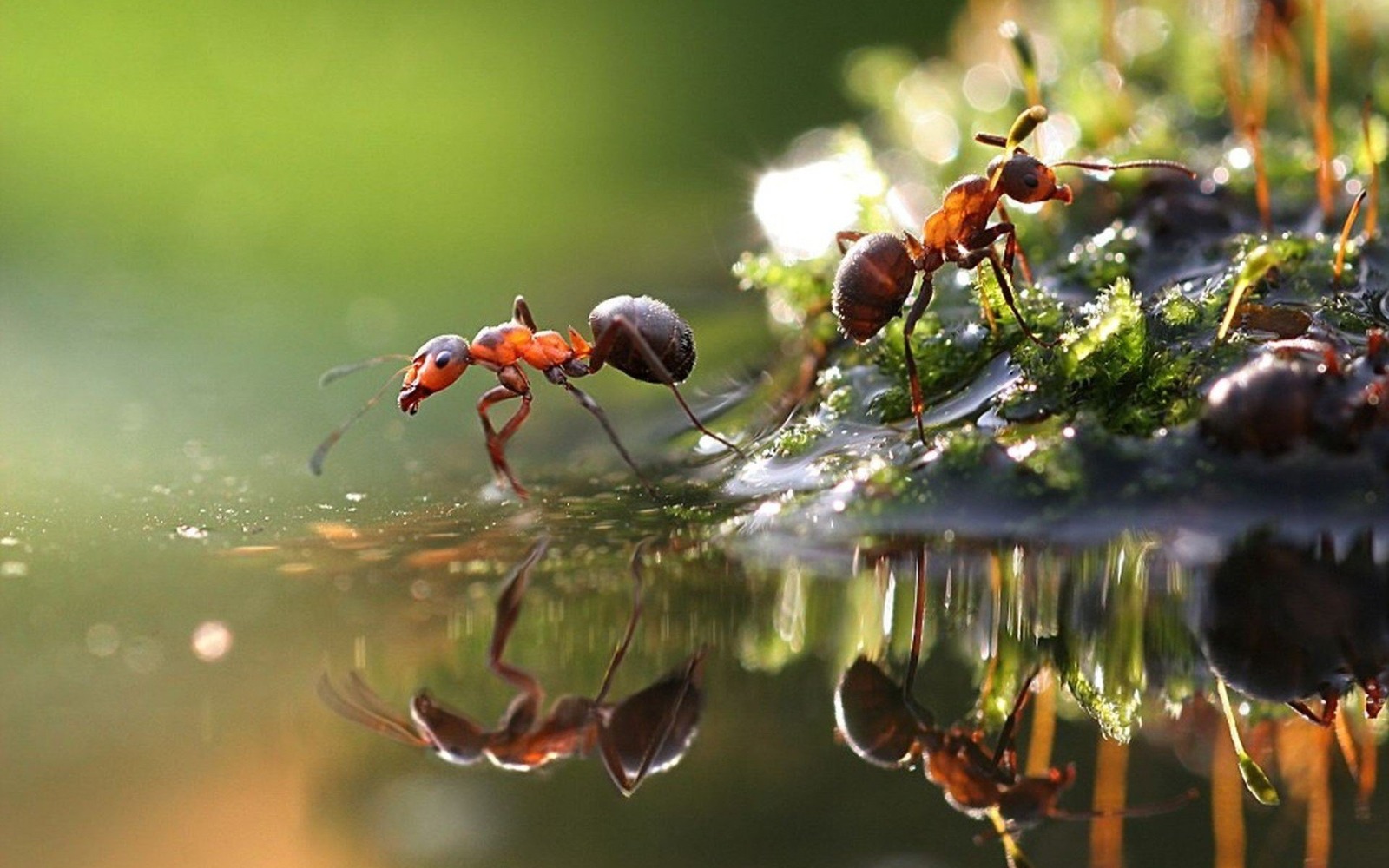
Tiny Body, Extraordinary Secrets ! What If We Told You That One of Nature’s Smallest Creatures Can Breathe Without Lungs ?
They Have No Lungs, Yet They Breathe! The Incredible Secret Hidden Inside an Ant’s Tiny Body
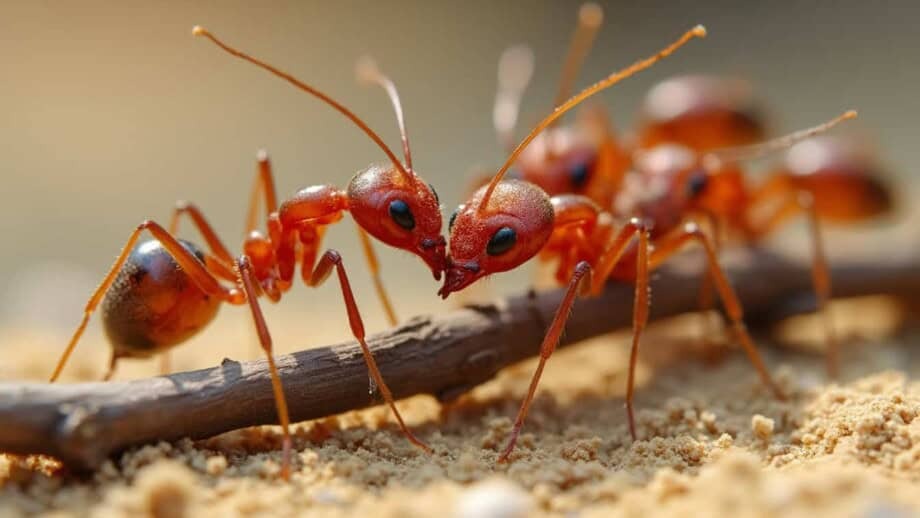
They may be tiny enough to disappear beneath a leaf, yet ants have a surprisingly complex world hidden inside their miniature bodies. They don’t have lungs like humans, but they have an ingenious system that allows oxygen to reach their tissues through a network of microscopic air passages. And that’s not all these tiny creatures can communicate using chemical signals, organise entire colonies, navigate remarkable environments and even spend time resting in ways very different from humans.
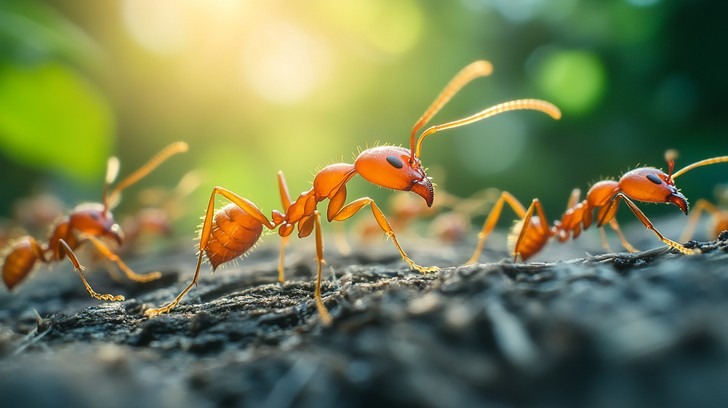
A viral image claims that ants never sleep and breathe through tiny holes, but the real science is even more fascinating: while ants truly do not have lungs, the “never sleep” claim needs some explanation because ants are known to have periods of rest. So, how exactly does an ant breathe, rest and survive without the organs we depend on? The answer reveals one of nature’s most incredible examples of small size, big biology and extraordinary adaptation.
Look closely at an ant and it may seem like one of the simplest creatures on Earth but its tiny body hides an extraordinary biological system. A popular fact circulating with this image claims that ants never sleep and do not have lungs, with oxygen entering their bodies through tiny openings. While the claim about ants having no lungs is correct, the idea that ants “never sleep” is misleading. Ants do not sleep in exactly the same way humans do, but many species have regular periods of rest and inactivity. In fact, some ants can spend several hours each day in short resting periods, often remaining still inside or around their nests.
No Lungs ? Then How Does an Ant Breathe ?

Unlike humans, ants do not have lungs or a nose through which they breathe. Instead, they use a fascinating tracheal respiratory system. Their bodies contain a network of microscopic air tubes called tracheae, which carry oxygen directly toward tissues. Oxygen enters through tiny openings on the outside of the body called spiracles. These openings are connected to the internal air-tube system, allowing gases to move through the ant’s body. Carbon dioxide, produced as a result of cellular respiration, travels back out through the same respiratory system.
This is one reason an ant can survive without a conventional respiratory organ. Rather than pumping oxygen through blood in the way humans do, the insect’s tracheal system delivers oxygen much more directly to its tissues. The process is remarkably efficient for such a tiny animal.
The Tiny Holes Are More Important Than You Think
Those microscopic openings, or spiracles, play a crucial role in an ant’s survival. They can be opened and closed to help regulate gas exchange and reduce water loss. This is especially important because insects are vulnerable to dehydration. The ant’s respiratory system therefore has to balance two competing needs: getting enough oxygen into the body while preventing excessive moisture from escaping.
Do Ants Really Never Sleep ?
This is where the viral image needs a correction. Ants do rest, although their resting behaviour is very different from human sleep. Researchers have observed ants becoming inactive for short periods, and in some species, workers may take numerous brief rest periods rather than having one long uninterrupted sleep.
Even more fascinating is that different members of an ant colony can follow different activity patterns. While some ants are resting, others may remain active, helping maintain the colony. This allows the colony to function almost continuously something that may have contributed to the popular belief that ants “never sleep.”
An Ant Colony Is Like a Tiny City
Ants are not simply wandering insects. Their colonies operate like highly organised societies, with different ants performing different tasks. Some workers search for food, others care for young, some maintain the nest, while others defend the colony.
Their communication system is equally fascinating. Ants can use chemical signals called pheromones to leave trails, warn other colony members of danger and coordinate activities. A single ant may therefore be tiny, but together, thousands of ants can behave like a remarkably coordinated superorganism.
Tiny Body, Incredible Strength
Another astonishing fact about ants is their ability to carry objects much heavier than their own bodies. Their strength varies enormously between species, and viral claims often exaggerate how much an ant can lift. Still, their small size gives them a major mechanical advantage: their muscles can generate impressive force relative to their body weight.
Why This Tiny Creature Is So Important
Ants play a major role in ecosystems around the world. They help move soil, disperse seeds, recycle organic material and influence populations of other insects. Some plants even depend on ants to transport their seeds to new locations.
So, the next time you see a tiny ant crossing the ground, remember that you’re looking at an animal with no lungs, a highly specialised breathing system, complex communication abilities and surprisingly organised social behaviour.
The viral image is right about one thing that sounds almost unbelievable: ants really don’t have lungs. But the statement that they “never sleep” should be understood more carefully ants do have periods of rest, even if their version of downtime looks very different from ours.