
 newspop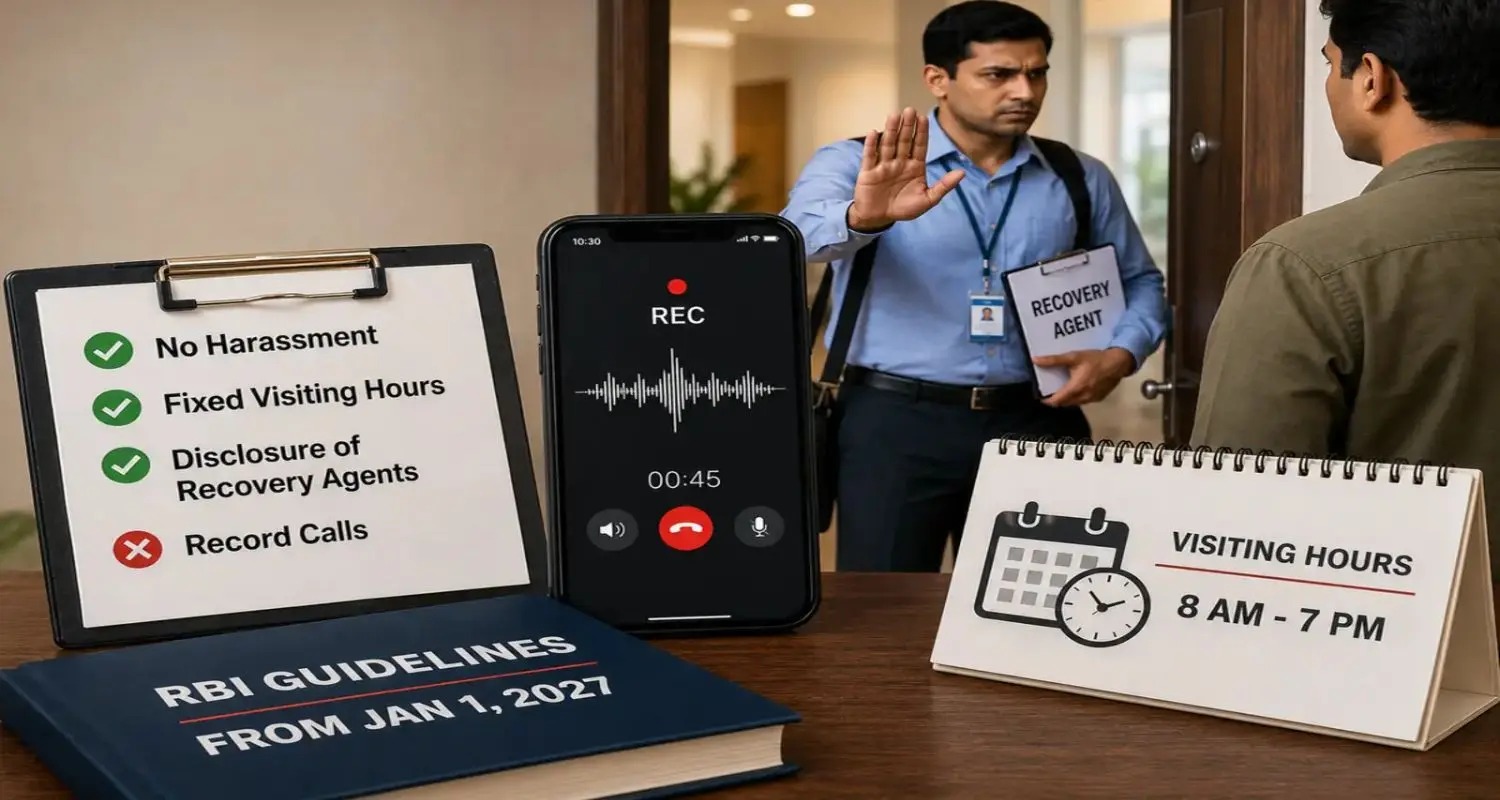
RBI’s Big Move for Borrowersb! Recovery Agents May No Longer Get Away With Harassment Over Unpaid EMIs
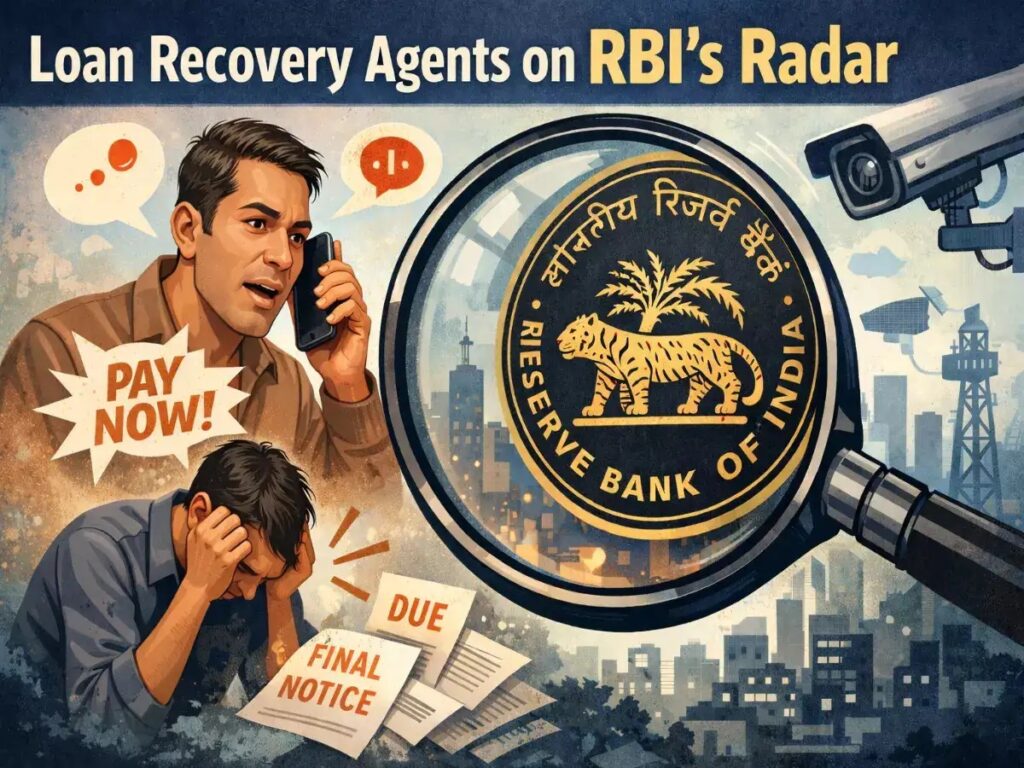
NEW DELHI : Borrowers struggling to repay their EMIs could see stronger protection against aggressive recovery practices, with a set of RBI-related rules and claims currently drawing widespread attention. According to the information circulating online, from January 1, 2027, recovery agents may face stricter restrictions while contacting customers, including limits on recovery calls before 8 a.m. or after 7 p.m.
Banks and financial institutions using third-party recovery agencies are also reportedly expected to clearly inform borrowers about the agency and the identity of the agent handling their case, while agents visiting a borrower’s home or workplace may be required to carry proper identification and authorization from the lender.
The proposed framework also focuses on protecting borrowers’ privacy, with claims that recovery agents would not be allowed to misuse personal information, unnecessarily contact relatives, friends or colleagues to put pressure on borrowers, or circulate borrowers’ photographs, audio or video recordings on social media.
Recovery conversations may also be subject to recording and documentation requirements, aimed at making the process more transparent and accountable. Another major point being discussed concerns EMI-financed mobile phones and other devices. Viral claims suggest that lenders may not be able to immediately lock a financed device simply because an EMI is overdue, and that borrowers would first have to receive notice and be given a defined process before restrictions could be imposed.
Some reports further claim provisions involving 60/90-day timelines, unlocking a device within one hour after repayment and compensation of ₹250 per hour for certain delays; however, these specific provisions should not be treated as confirmed RBI rules unless verified through an official RBI notification or applicable regulation.
The broader principle remains that while borrowers are responsible for repaying their loans, recovery must be carried out through lawful and respectful methods, without intimidation, humiliation, threats or unlawful invasion of privacy. If a borrower faces inappropriate conduct from a recovery agent, they can first approach the concerned bank or financial institution through its grievance-redressal mechanism and, where applicable, use the RBI’s complaint framework.
The key message for borrowers is clear: EMI repayment remains a responsibility, but debt recovery must also follow rules, dignity and due process.
The reported changes are aimed at making loan recovery more transparent, accountable and customer-friendly, while ensuring that financial institutions can continue legitimate recovery proceedings without allowing agents to cross legal or ethical boundaries. Borrowers should verify any viral claim about the January 2027 rules directly through official RBI communications before relying on specific dates, penalties or device-lock provisions.