 newspop
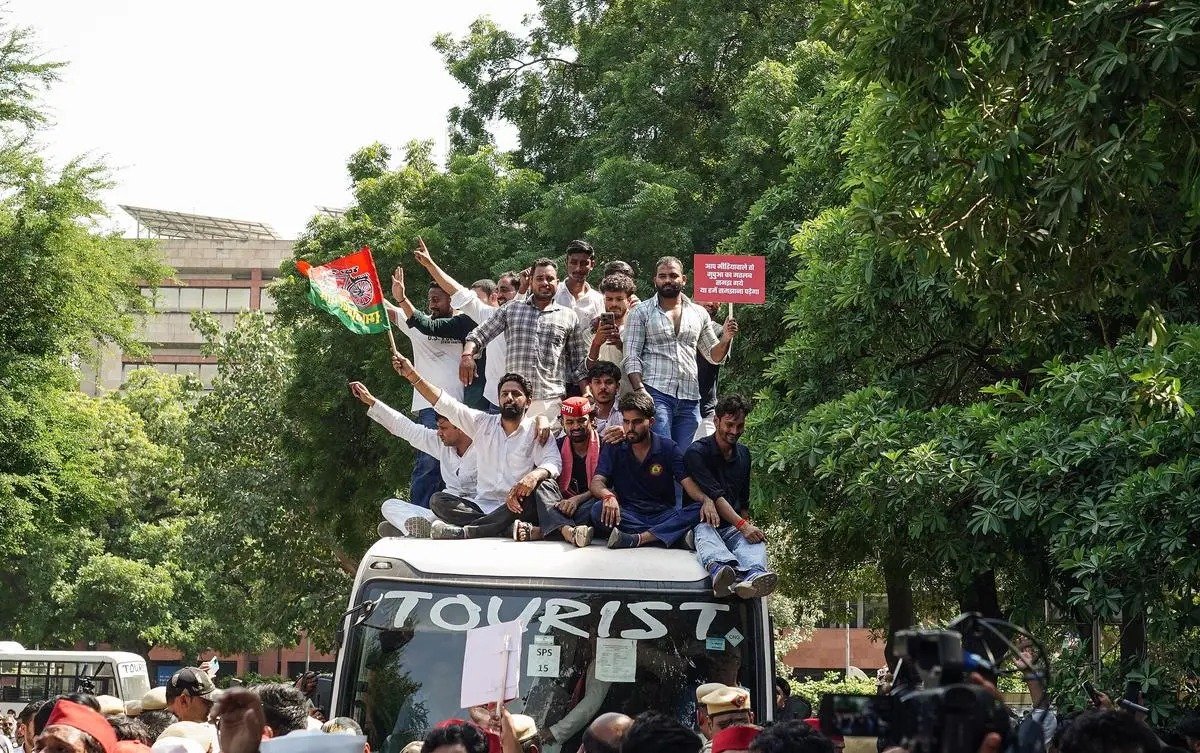
New Delhi : Political activity has intensified in New Delhi as opposition parties under the INDIA bloc prepare to march towards the Supreme Court, raising allegations of irregularities in the electoral process and demanding the resignation of Chief Election Commissioner (CEC) Gyanesh Kumar. The protest has brought electoral transparency, voters’ rights and the accountability of institutions back into the political spotlight.
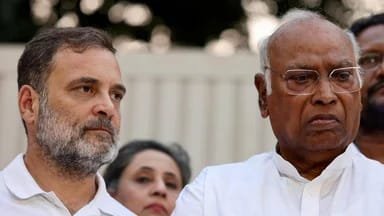
Congress leader Rahul Gandhi has appealed to citizens to join the protest, emphasising the importance of protecting democratic rights and ensuring fairness in elections. The opposition has raised concerns over the Special Intensive Revision (SIR) of electoral rolls, alleged electoral malpractice and the need for reforms in the voting system. The bloc has argued that transparency in the preparation and revision of voter lists is essential to maintaining public confidence in the democratic process.
The proposed march towards the Supreme Court is part of the opposition’s wider campaign highlighting what it describes as concerns over electoral fairness. The demand for CEC Gyanesh Kumar’s resignation has become a key focus of the protest, with opposition leaders calling for greater accountability from the Election Commission. These allegations and demands remain the opposition’s position and should be distinguished from any findings established through official or judicial proceedings.
Meanwhile, security arrangements have reportedly been strengthened in the national capital ahead of the planned demonstration. Entry and exit restrictions were reported at six Delhi Metro stations, including Central Secretariat and Barakhamba Road, with the restrictions scheduled to remain in place until 4 PM. The measures were reportedly introduced as a precaution in view of the expected protest and possible movement of demonstrators through central Delhi. Commuters were likely to be affected by the restrictions, particularly those travelling through the areas surrounding key government and administrative buildings.
Another development attracting attention is the reported refusal of the opposition’s request for a meeting with Chief Justice of India Justice Surya Kant. According to reports, the request was declined because related matters were already under judicial consideration. The development has added another dimension to the political debate, as opposition parties continue to press their concerns over the electoral process.
The INDIA bloc’s march has once again placed the role of the Election Commission, the revision of electoral rolls and the protection of voters’ rights at the centre of national political discussion. While opposition leaders are seeking changes and accountability over their allegations, the broader debate also raises questions about institutional procedures, judicial processes and the mechanisms available for addressing electoral grievances.
As the planned demonstration draws attention in Delhi, the issue is expected to remain a subject of political discussion, with the opposition pressing for electoral reforms and greater transparency. The central question remains how concerns regarding the electoral process can be examined through established procedures while safeguarding public trust in India’s democratic institutions.


 Mudasir Maqbool