
 newspop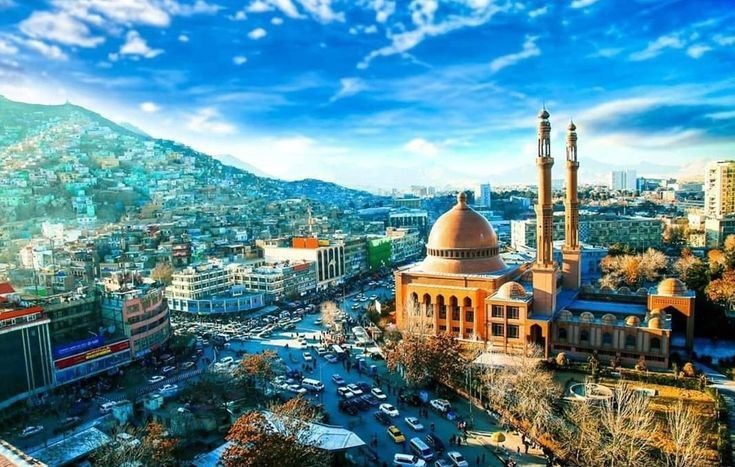
Kabul, Afghanistan: From a Historic Destination to a High-Risk City
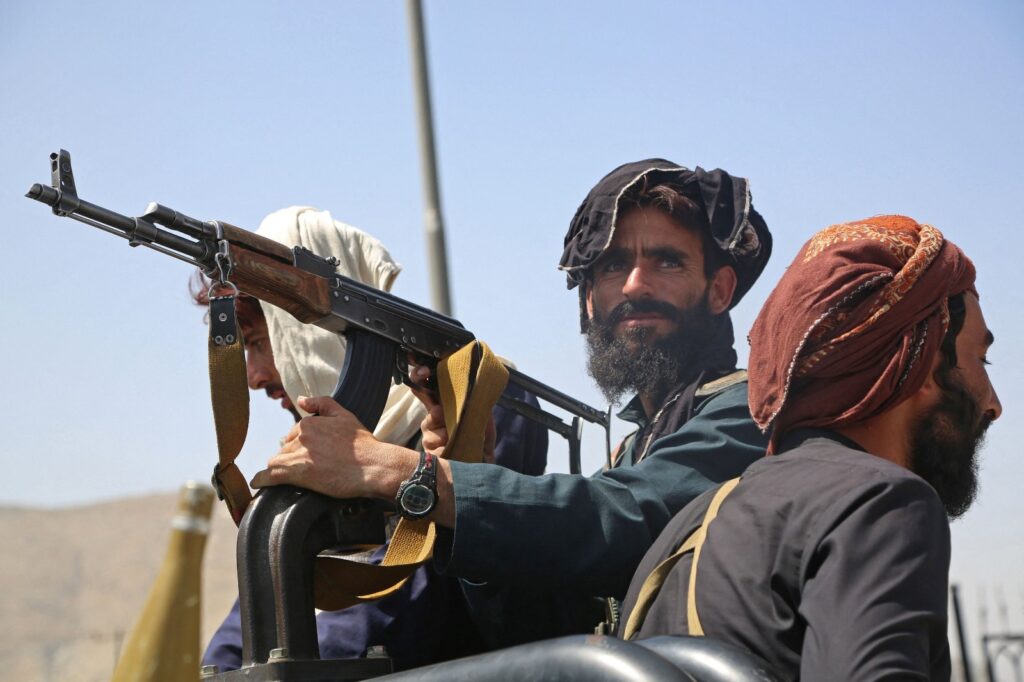
Imagine a place where beautiful gardens, historic streets and centuries-old culture exist alongside the fear of explosions, attacks and abductions a city where stepping outside can carry risks that tourists in most parts of the world never have to think about.
This is Kabul, the capital of Afghanistan. Once admired for its vibrant bazaars, magnificent palaces and breathtaking landscapes, the city has been transformed by years of conflict and instability. Today, Kabul is considered a highly sensitive and dangerous destination, with security threats that can emerge with little warning.
A place that once welcomed visitors now leaves many travellers asking one chilling question : Is it safe to enter ? From the scars of war to the continuing threat of violence, Kabul’s story is not just about a city it is about how fear and conflict can change the face of a historic land forever.
There are places around the world where breathtaking history and culture exist alongside serious security challenges. Kabul, the capital of Afghanistan, is one such city. Once known for its vibrant markets, historic landmarks, grand palaces and beautiful gardens, Kabul has witnessed dramatic changes over the years and is today regarded as a highly sensitive destination for travellers.
For generations, Kabul stood as an important cultural and commercial centre, connecting different parts of the region. Its streets once attracted visitors eager to experience Afghanistan’s rich traditions, colourful markets and historic architecture. The city was also known for its gardens and landmarks that reflected the country’s long and complex history.
However, decades of conflict and instability have transformed the security environment. Today, travelling to Kabul can involve significant risks, and many governments advise their citizens to avoid travel to Afghanistan because of the possibility of terrorism, kidnapping, armed violence and other security threats.
The security situation can change quickly, making travel particularly challenging for outsiders. Bomb blasts, attacks and kidnapping threats have been among the major concerns associated with Afghanistan, while foreigners can face additional risks because they may be viewed as potential targets.
For travellers, the challenge is not simply reaching the city but also moving around safely and understanding rapidly changing local conditions. Security restrictions, limited access to certain areas and the possibility of sudden incidents can make ordinary tourism extremely difficult.
A City Where History Meets Uncertainty
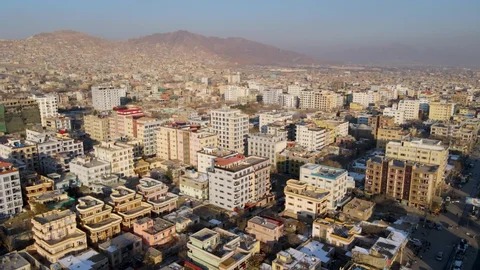
Despite these challenges, Kabul remains deeply significant to Afghanistan’s history and identity. Its past tells the story of a city shaped by centuries of trade, culture, politics and changing empires. But the contrast between its rich heritage and present-day security concerns makes Kabul a powerful example of how conflict can transform a destination.
For anyone considering international travel, official travel advisories and local security information should always be checked before making plans. Afghanistan remains a destination where extreme caution is required, and travel may carry substantial risks.
More Than Just a Destination
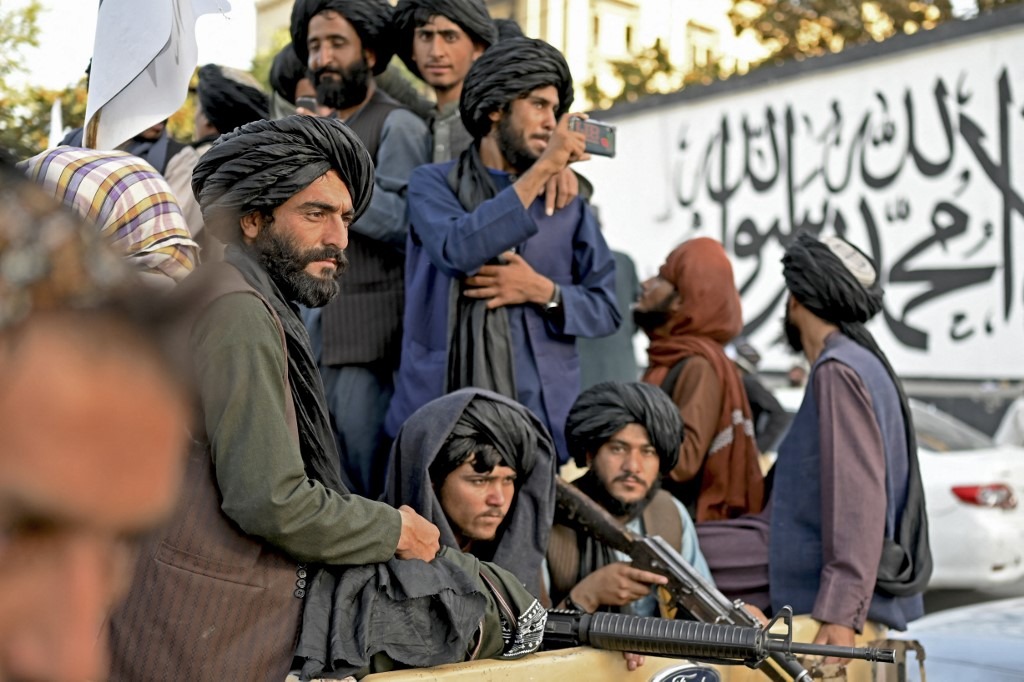
Kabul’s story is a reminder that some of the world’s most historically fascinating places can also be among the most challenging destinations to visit. Behind the headlines are millions of people who continue to live their daily lives amid difficult circumstances.
A city once celebrated for its markets, gardens and cultural heritage now stands as a symbol of how years of conflict can reshape a place and why safety must always come before adventure.