

IMAGINE WAKING UP EVERY MORNING WITHOUT AN ALARM CLOCK, A MOBILE PHONE OR EVEN AN ELECTRICITY SUPPLY.

Today, most of us depend on smartphone alarms to get out of bed on time, but centuries ago, people had to rely on some surprisingly creative methods to make sure they did not oversleep. Before alarm clocks became common, waking up early was not always an easy task, especially for workers, factory employees and people who had to begin their duties before sunrise.
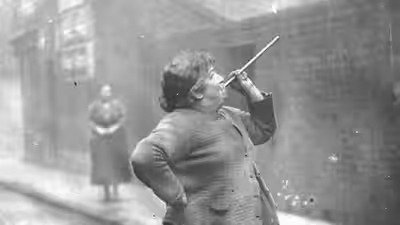
One unusual profession that emerged in parts of Britain during the Industrial Revolution was that of the ‘Knocker-Up’, a human alarm clock hired to wake people at a fixed time. These individuals were paid to walk through neighbourhoods in the early morning, knocking on doors and tapping on bedroom windows with long sticks until their customers woke up. Some even used pea shooters to fire small dried peas at upper-floor windows.

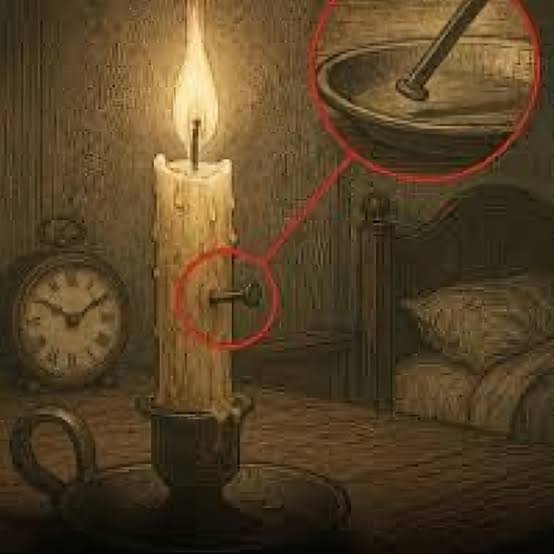
Another fascinating method involved candle clocks. In certain historical societies, specially marked candles were used to estimate the passage of time. Some candle designs reportedly included metal pins placed at measured intervals; as the wax melted, the pins could fall onto a metal tray and make a sound, alerting the person nearby. However, such devices were not universally used and their designs varied across periods and regions. Then there was nature’s own alarm system the humble rooster.
Before modern timekeeping became widespread, the crowing of roosters often served as a familiar signal that dawn was approaching. Their early-morning calls helped people recognise the beginning of a new day, particularly in rural communities where daily life was closely connected to sunrise and sunset.
Another method mentioned in historical accounts involved drinking water before going to bed, with the expectation that the need to visit the toilet would wake a person during the night or early morning. Although this was not a reliable timekeeping method, it reflects the creative ways people tried to manage their morning routines. People also depended on natural daylight, seasonal changes, church bells, town clocks and household routines to organise their days.
From hiring a human alarm clock to listening to a rooster’s call, life before smartphones and digital alarms required a very different kind of morning planning. Today, we simply tap a button on our phones to wake up, but in the past, someone might have been standing outside the window, waiting to knock, Isn’t it fascinating how something as simple as waking up has changed over time.