
 newspop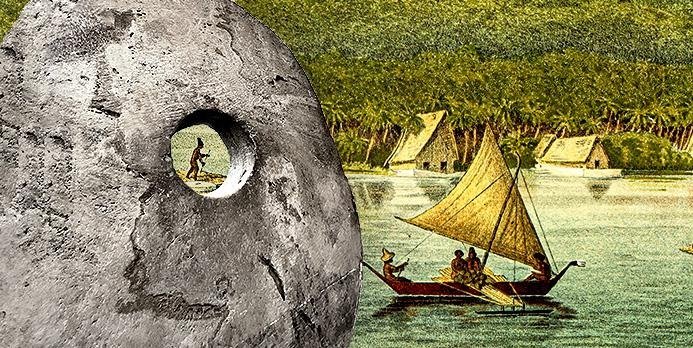
SPECIAL STORY : Imagine owning money that can weigh several tonnes, cannot fit into your pocket, and may never even move when it changes hands! This extraordinary monetary tradition belongs to Yap Island, one of the islands of the Federated States of Micronesia in the western Pacific Ocean, where enormous circular limestone discs known as Rai stones have traditionally represented wealth, ownership and social status.
Unlike ordinary currency, these massive stone discs were not designed for everyday shopping and were certainly not carried around like bank notes instead, their value was recognised through community knowledge, social agreement and the history attached to each individual stone.
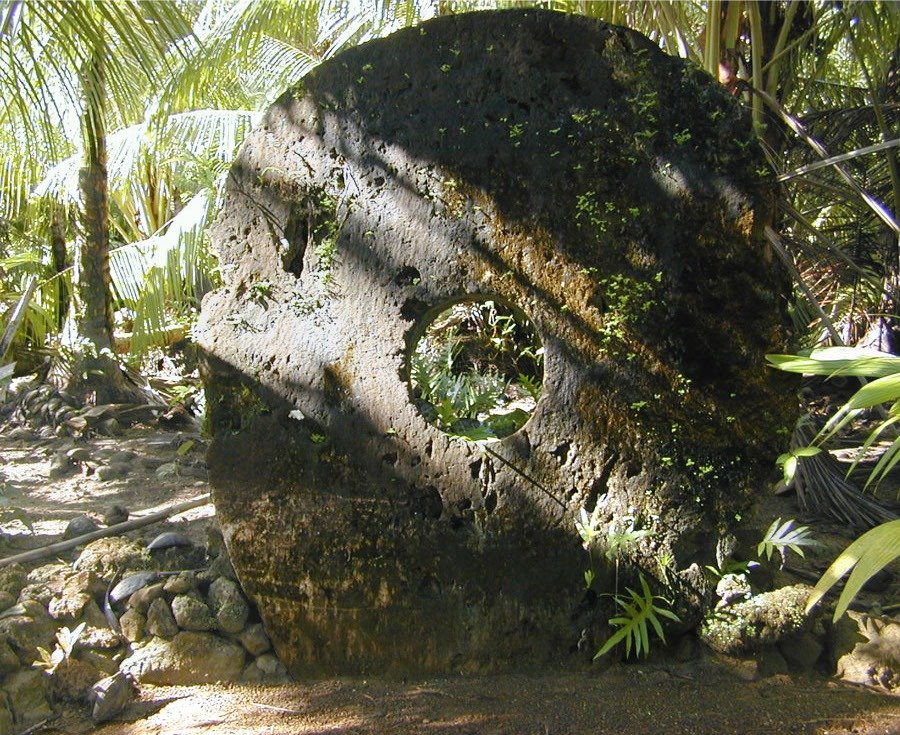
Rai stones typically have a large hole in the centre and can range from relatively small pieces to enormous discs weighing hundreds or even thousands of kilograms. Their extraordinary value historically came not simply from their size, but from the effort, danger and resources required to obtain them.
The limestone used to make Rai stones was not naturally available on Yap, so islanders travelled by sea to the neighbouring Palau islands, where the stones were quarried, shaped and transported back by traditional boats a journey that involved considerable physical effort and risk. Because moving these giant stones was extremely difficult, ownership could change without the stone itself changing location.
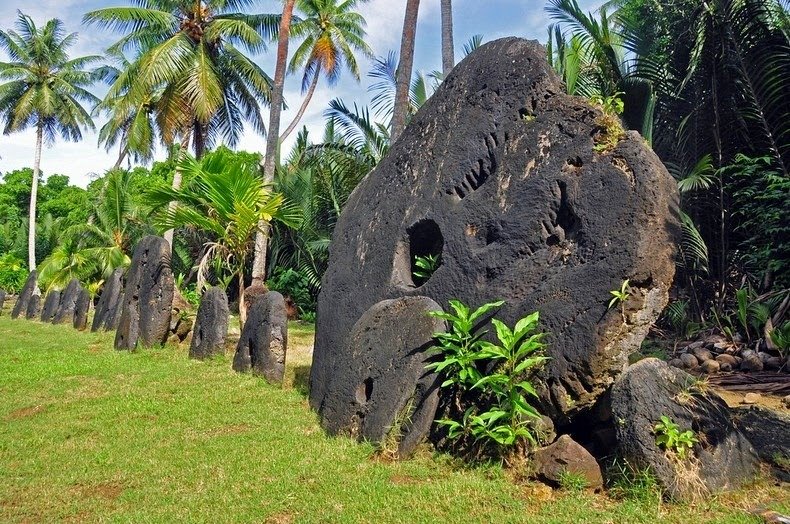
Members of the community would collectively recognise that a particular Rai stone now belonged to another individual, family or group, creating a fascinating system in which the ownership record mattered more than physical possession. In some famous accounts, even a Rai stone that was accidentally lost at sea could retain its recognised value because the community remembered its existence, ownership and history. The system therefore depended heavily on collective memory, trust and social consensus, rather than a central bank, written ledger or physical transfer of currency.
Rai stones were particularly associated with major social transactions and were traditionally used in contexts such as marriages, land exchanges, compensation, political agreements and the settlement of important disputes. Their history also reveals why something apparently as simple as a giant stone could become a symbol of wealth: acquiring one demonstrated labour, navigation skills, organisation, courage and access to resources that were difficult to obtain.
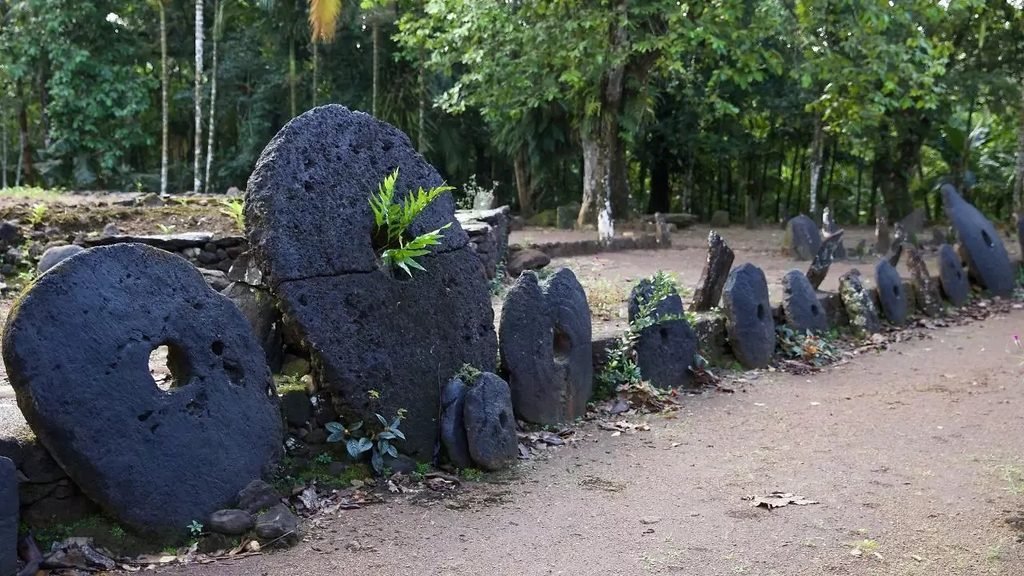
In this sense, the value of a Rai stone was connected to its story who obtained it, where it came from, how difficult it was to transport and what sacrifices were involved. This has sometimes led to comparisons with modern ideas surrounding cryptocurrency and proof-of-work, although the two systems are fundamentally different: Rai stones relied on human memory, community recognition and social trust, whereas cryptocurrencies use digital networks and cryptographic mechanisms.
Most importantly, the idea that Yap has “no modern money” is misleading. The US dollar is used for everyday purchases and modern economic activity on the island today, while Rai stones continue to hold cultural and traditional significance, particularly in important social and ceremonial matters.
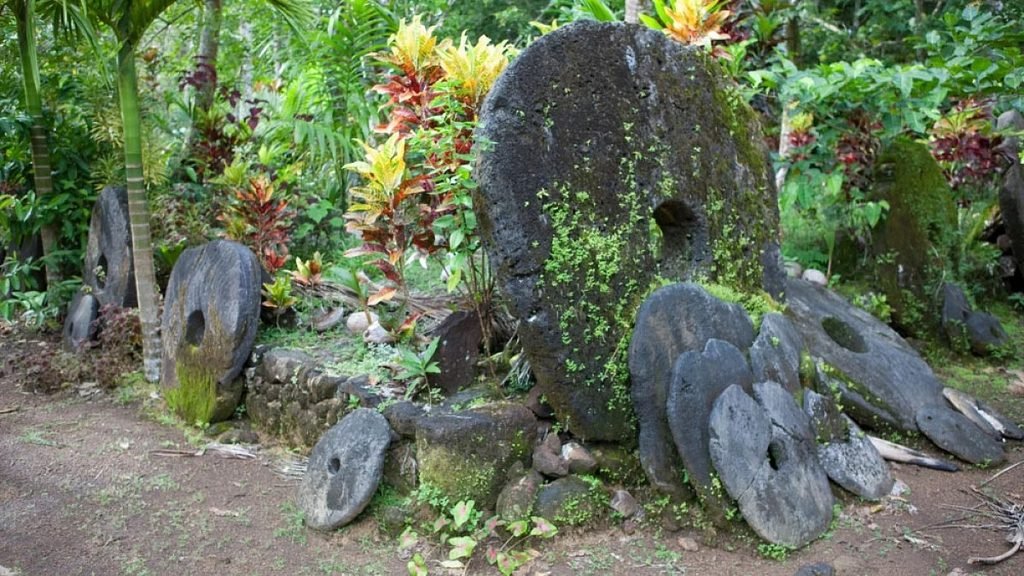
What makes Yap’s Rai tradition so fascinating is not that people literally use giant rocks instead of modern currency at shops, but that it demonstrates a completely different way of defining wealthone where an asset does not necessarily need to move to change ownership, and where a community’s shared memory can function as a remarkably powerful record of value.