 newspop
One Heavy Rainfall Could Change Everything ? The Hidden Risk Beneath Shimla’s Houses
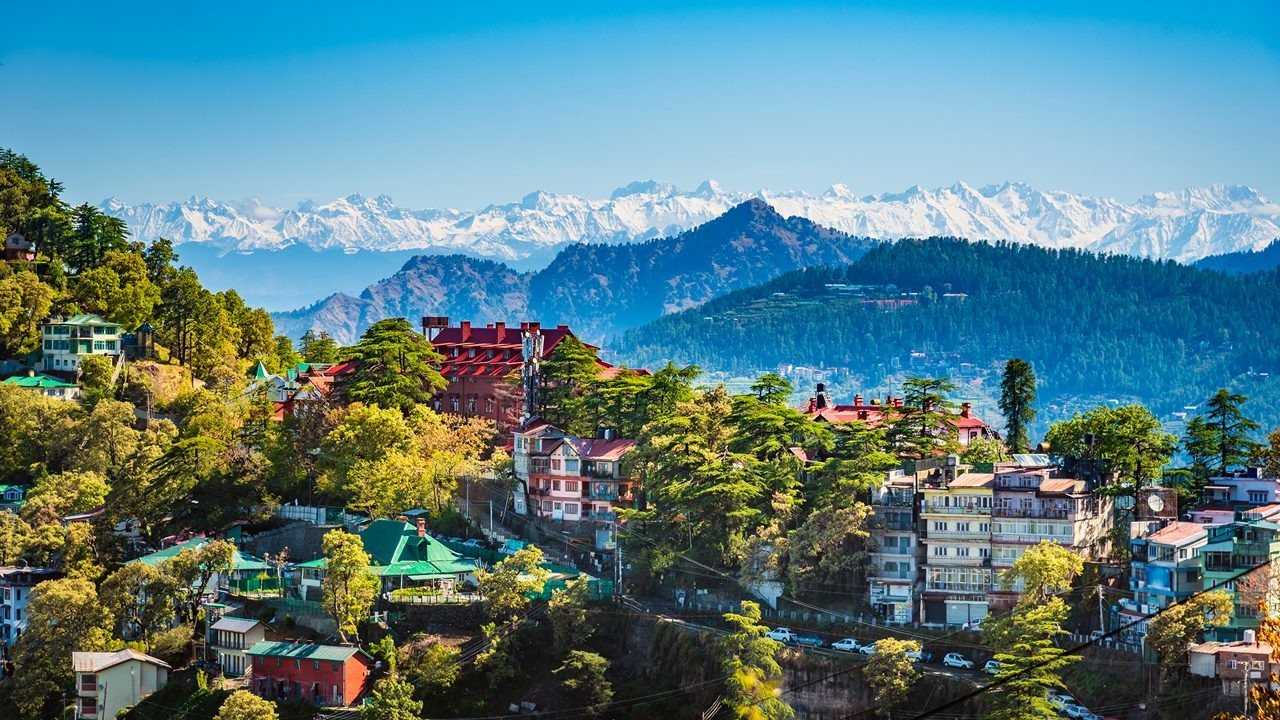
SPECIAL STORY : Shimla, popularly known as the “Queen of Hills”, is admired across the world for its breathtaking mountains, pleasant climate and picturesque houses perched along steep slopes. Every year, thousands of tourists visit the hill station, attracted by its scenic beauty and colonial charm. But behind this postcard-perfect image lies a growing concern that cannot be ignored how safe are the homes and multi-storey buildings constructed on the fragile slopes of Shimla ?
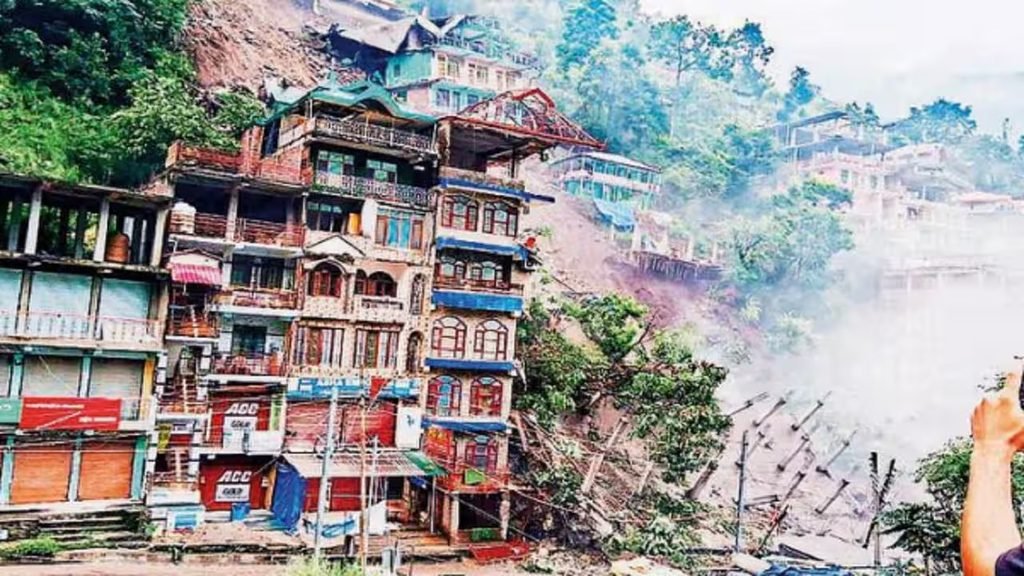
Over the years, incidents of landslides, cloudbursts, extreme rainfall and slope failures have repeatedly exposed the vulnerability of construction in the Himalayan region. In areas such as Bhattakufar, Dhalli and Sanjauli, concerns have been raised over cracks appearing in houses in the vicinity of major construction and infrastructure activity, while incidents in areas such as Shakral village and Krishnanagar have highlighted the devastating consequences of slope instability and landslides.
The biggest question is not simply whether these buildings are made of concrete, but whether the land beneath them is stable enough to support them for decades. Experts point out that construction in mountainous terrain is fundamentally different from construction on flat land. The slope angle, geological structure, soil strength, groundwater movement, drainage system, foundation depth, retaining structures and the overall load of a building all play a crucial role in determining its safety.
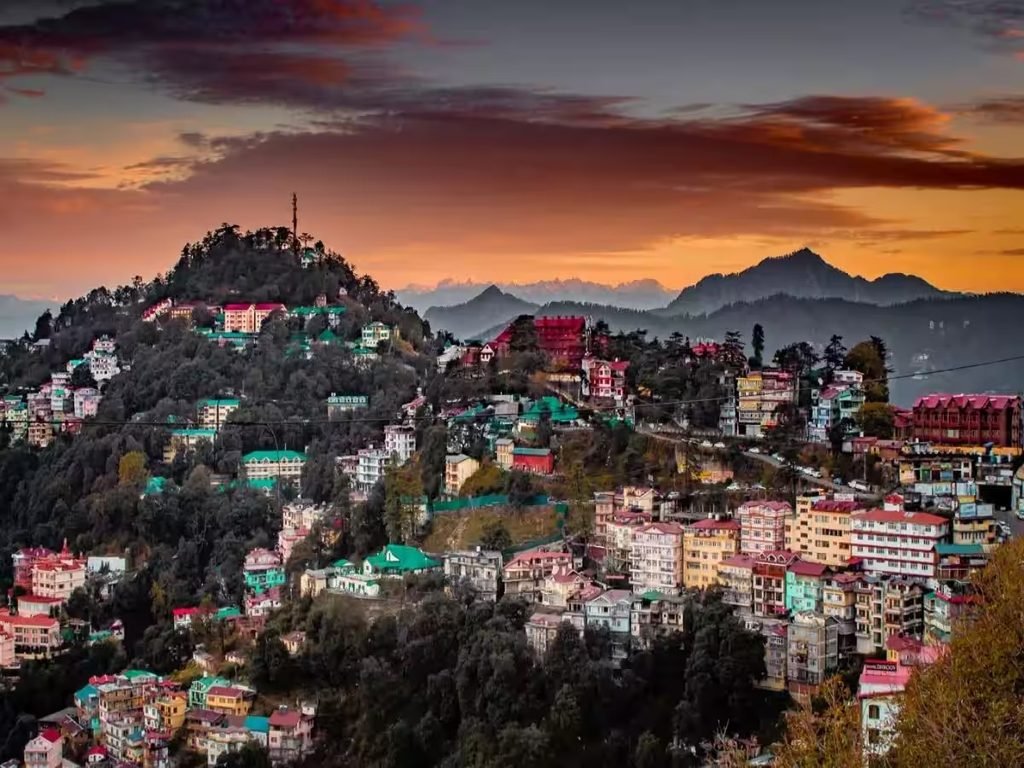
A heavy multi-storey concrete structure built on a steep or unstable slope can become particularly vulnerable when excessive rain saturates the soil, weakens the slope or triggers a landslide. Shimla is also located in a seismically sensitive Himalayan region, making earthquake-resistant design and strict adherence to building regulations extremely important. This means that simply using reinforced concrete does not automatically make a hill building safe. A strong building standing on an unstable mountain can still face serious danger.
Another major concern is the uncontrolled cutting of slopes for roads, tunnels, parking areas and large buildings. When natural slopes are altered without adequate geological assessment, retaining structures or proper drainage, the natural balance of the hillside can be disturbed. Water is another major factor: poor drainage or leakage can allow water to enter the soil and weaken the ground supporting a structure.
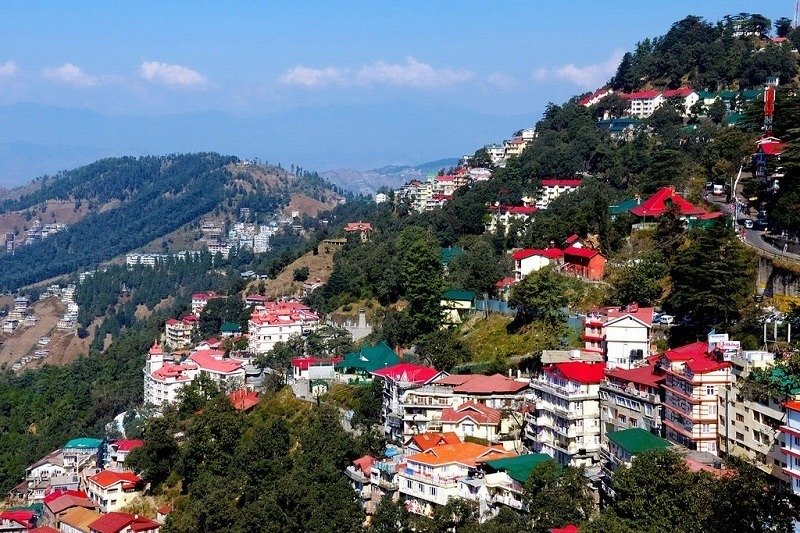
This is why experts repeatedly stress the importance of proper site investigation, scientific foundation design, slope stabilisation, rainwater management and regular structural inspections. At the same time, Himachal Pradesh’s traditional timber-and-stone construction offers an interesting contrast. Many traditional Himalayan homes were designed according to local terrain and climatic conditions and used relatively lightweight construction systems that could perform better during seismic movement when properly built and maintained.
However, it would also be misleading to suggest that every traditional house is automatically safer or that every modern concrete building is dangerous. The actual safety of any building depends on its design, construction quality, foundation, maintenance and the stability of the land on which it stands.
There is therefore no universal rule that a hill house will remain safe for only 20 or 30 years; a properly designed and maintained structure can have a much longer service life, while a poorly designed or poorly maintained building may develop serious problems much earlier. The growing pressure of tourism, urbanisation and infrastructure development has made this issue even more important for Shimla.
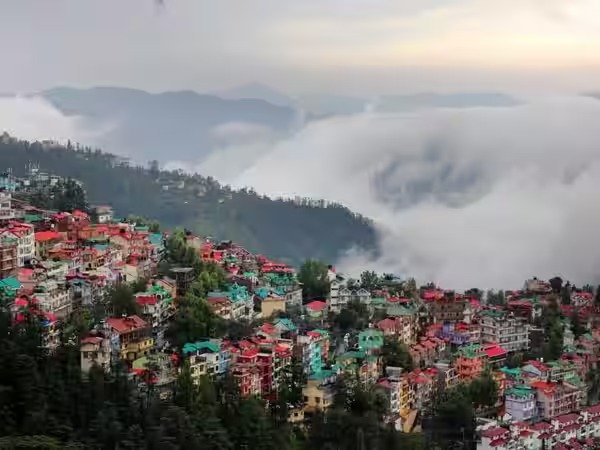
As more roads, tunnels, hotels, apartments and private buildings come up on limited mountainous land, the question of how much construction the fragile slopes can actually sustain becomes increasingly urgent. The real danger may not always be visible from the outside the biggest threat could be hidden beneath the foundation. A crack in a wall, sudden water seepage, tilting structures, changes in the ground, cracks on roads or retaining walls and unusual movement of slopes can all be warning signs that require professional inspection.
For a city as environmentally sensitive as Shimla, development cannot come at the cost of geological stability. Strict enforcement of building regulations, scientific geological surveys, proper drainage, slope protection and regular safety audits are essential to protect both residents and tourists. Otherwise, the “Queen of Hills” could increasingly find itself caught between the demands of rapid urbanisation and the limits imposed by nature. Shimla’s beauty is built on the mountains but the biggest question today is whether its growing concrete landscape is being built in harmony with those mountains or against them.