
 newspop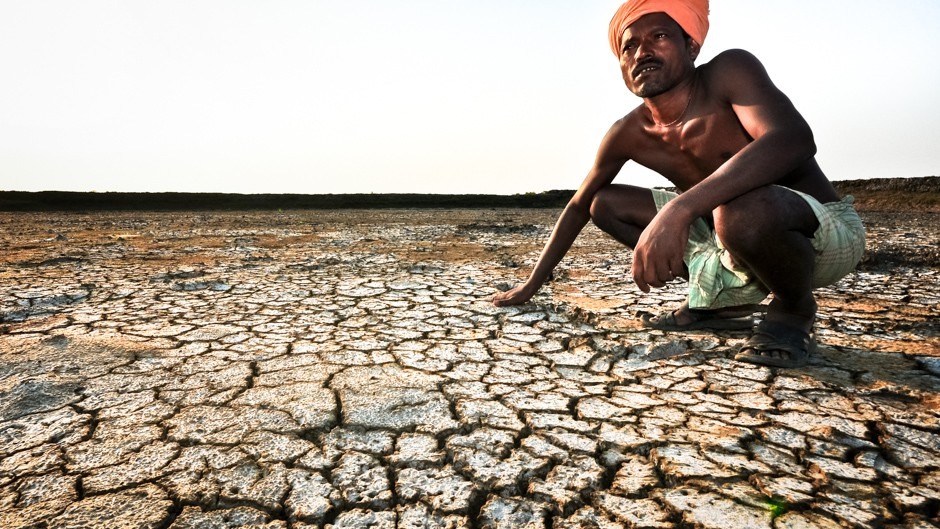
The Ground Beneath Us Is Dying! Global Soil Crisis Raises Major Food Security Concerns
What if the ground beneath our feet the very foundation of our food, forests and future is slowly losing its strength ?
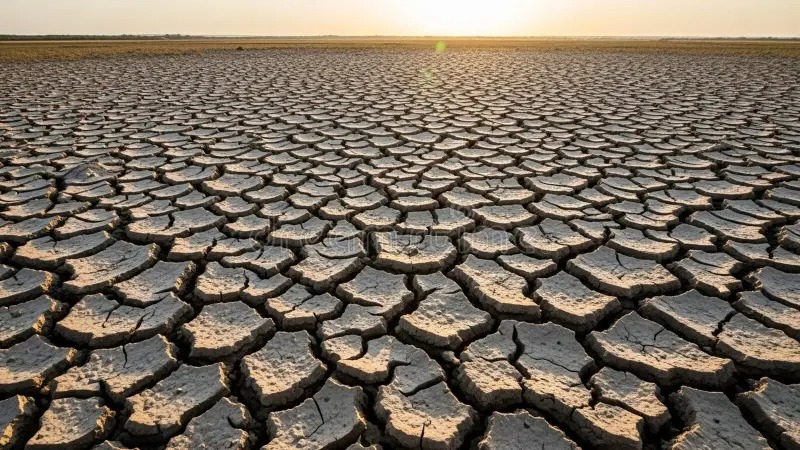
We often worry about polluted air, contaminated water and rising temperatures, but a much quieter crisis is unfolding beneath us. The world’s soil is under growing pressure, and a new warning has raised serious concerns about the future of food security, biodiversity and the planet’s climate.
According to a Food and Agriculture Organization (FAO) report, around 52.5% of the world’s land is under poor or very poor soil management. In contrast, only about 14% of the world’s land is considered to have very good soil management.
And the stakes are enormous.
More than half of the world’s land is reportedly facing poor or very poor soil management, raising serious concerns for global food security, biodiversity and the environment.
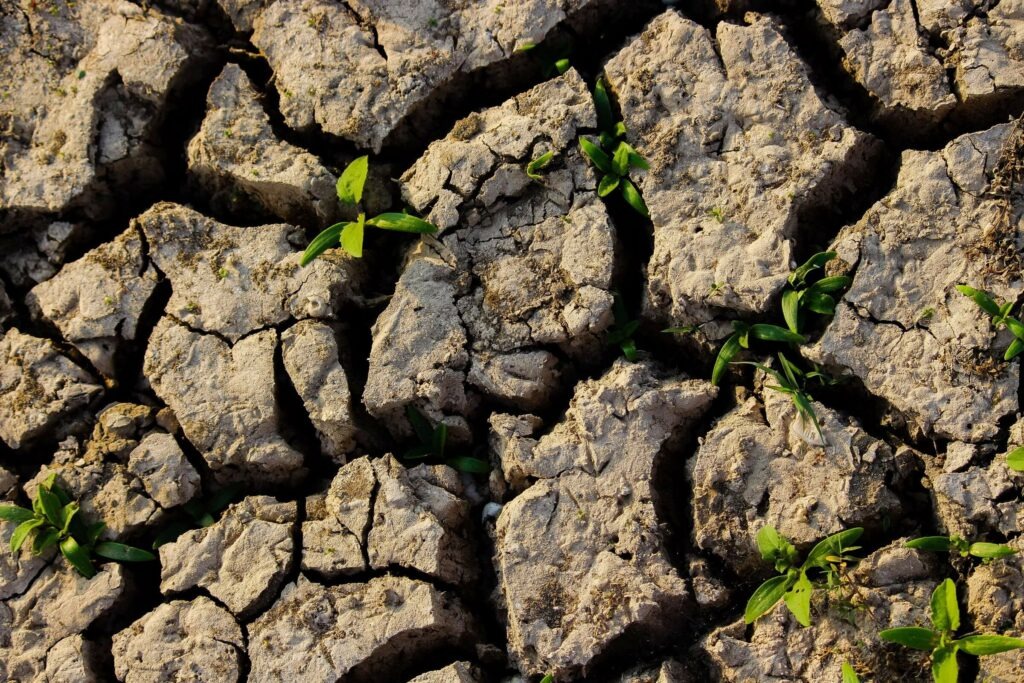
According to a UN Food and Agriculture Organization (FAO) report, around 52.5% of the world’s land is under poor or very poor soil management. Only about 14% of land is considered to have very good soil management.
The warning is significant because nearly 95% of the world’s food is produced from soil, while soil also supports a large share of plant and animal life. It is also one of the planet’s major carbon stores.
Soil Erosion Among the Biggest Threats
Experts say soil erosion is one of the biggest dangers, with rainwater and wind washing or carrying away fertile topsoil. Other threats include declining organic matter, nutrient imbalance, loss of biodiversity, salinity, pollution and rapid urbanisation.
Climate change is making the crisis even more complicated, while degraded soil can also worsen climate-related problems.
Experts recommend practices such as reducing intensive tilling, growing crops such as pulses and mustard, adopting agroforestry, and using organic and chemical fertilisers carefully to protect soil health.
The FAO also highlights that farmers often know how to improve soil, but lack of resources and the high initial cost of adopting better practices remain major barriers.