
 newspop
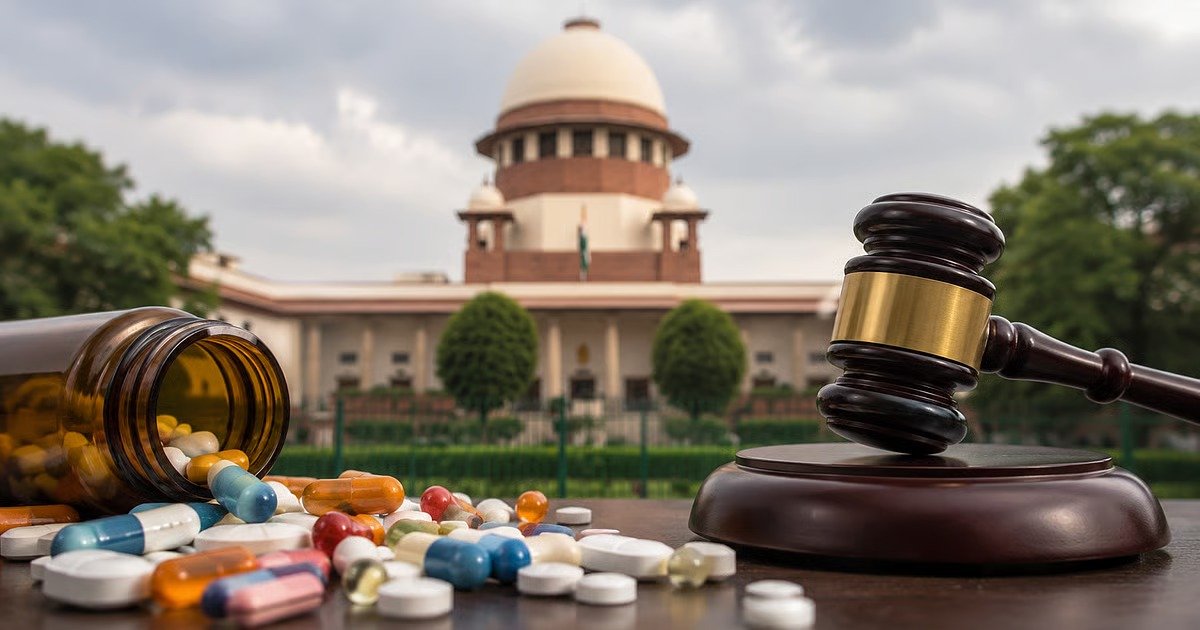
Gifts, Foreign Trips, Cash : Supreme Court Moves to Check Pharma Influence
NewDelhi : The Supreme Court has directed the Centre to constitute a three-member expert committee to examine and recommend measures to curb alleged unethical marketing practices by pharmaceutical companies, including the offering of expensive gifts, foreign trips, hospitality and other financial or material benefits to doctors to influence prescriptions.
The issue came before the court through a petition alleging that certain pharmaceutical companies provide costly incentives to doctors with the aim of encouraging prescriptions of their expensive medicines to patients, raising concerns over patient interests, ethical medical practice and the potential impact of such practices on healthcare costs. A bench of Justice Vikram Nath and Justice Sandeep Mehta directed the Centre to constitute the committee and seek suggestions and objections from individuals and organisations before finalising recommendations aimed at preventing such practices.
The Centre informed the court that provisions under the National Medical Commission Act, 2019, along with professional conduct regulations, are already applicable to doctors who accept gifts, travel, hospitality or monetary and other financial benefits from pharmaceutical companies, and violations can invite disciplinary action. However, the Centre also acknowledged that there are regulatory gaps when it comes to directly controlling unethical practices allegedly used by pharmaceutical companies to influence medical professionals.
The proposed expert committee will examine these gaps and consider whether a separate statutory framework is required to regulate pharmaceutical companies or whether existing laws and regulations should be strengthened. The Centre has also been directed to file an affidavit detailing the steps taken to implement the court’s directions and submit a report on the committee’s recommendations.
The Supreme Court is scheduled to hear the matter next on January 29, 2027, after reserving its decision in the case on September 8. The proceedings could potentially lead to tighter scrutiny of pharmaceutical marketing practices and greater safeguards against incentives that may influence doctors’ prescribing decisions, with the larger objective of ensuring that treatment choices remain focused on patients’ medical needs rather than commercial interests.