 newspop
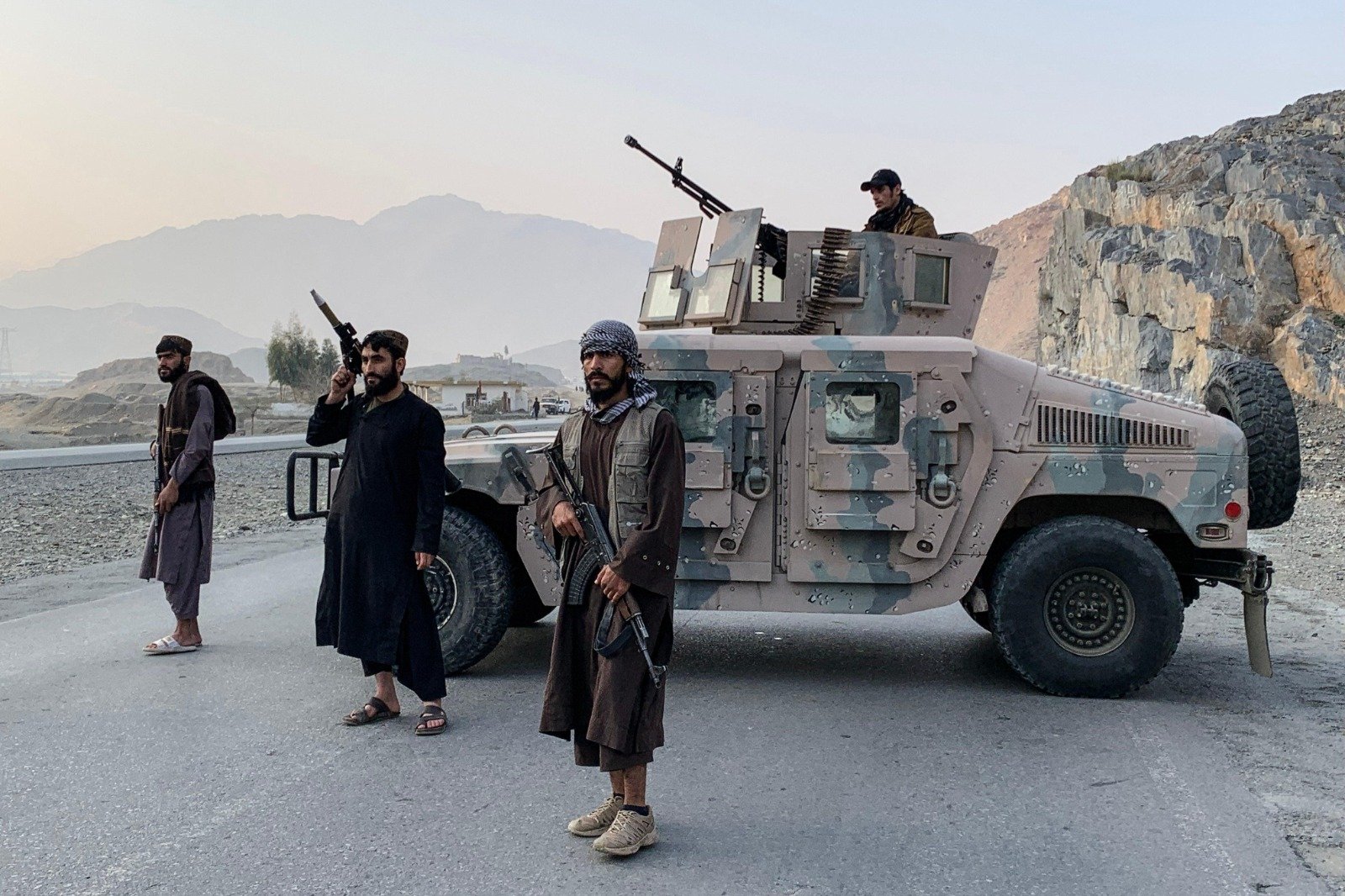
New Delhi : Tensions between Pakistan and Afghanistan have intensified sharply following fresh Pakistani airstrikes inside Afghanistan, with competing claims over casualties and targets adding to the already fragile relationship between the two neighbours. Pakistan carried out strikes in Afghanistan’s Kunar and Helmand provinces on October 1, with Kabul’s Taliban government saying the attacks hit civilian locations and killed nine people, including women and children, while 11 others were injured.
Pakistan, however, said its forces acted on credible intelligence and targeted militant hideouts rather than civilians, claiming that 22 terrorists were killed and significant weapons stockpiles were destroyed. The casualty figures and the competing accounts have not been independently verified.
Against this backdrop, remarks attributed to Taliban Minister Noorullah Noori have attracted particular attention. According to reports, Noori warned Pakistan not to underestimate Afghanistan or its people and said that Afghanistan does not seek conflict with neighbouring countries but would respond if threatened or attacked.
A particularly striking claim attributed to him is that, if the Taliban government wanted, it could see the Afghan flag raised in Peshawar within two days—a statement that has been widely reported as a warning directed at Islamabad rather than as a confirmed military plan.
The latest confrontation is part of a broader deterioration in Pakistan-Afghanistan relations. Islamabad has repeatedly accused the Taliban authorities in Kabul of allowing militant groups, particularly the Tehrik-e-Taliban Pakistan (TTP), to operate from Afghan territory and launch attacks into Pakistan. Kabul has repeatedly rejected those accusations and maintains that militancy inside Pakistan is an internal issue.
The dispute has increasingly spilled across the border through airstrikes, clashes and accusations of cross-border militant activity. Pakistan has also carried out earlier strikes in Afghan provinces including Kandahar, Paktia and Khost, saying those operations were aimed at sites linked to attacks against Pakistan, while Afghan authorities have reported civilian casualties and condemned the strikes.
The situation is further complicated by the long-running dispute over the Durand Line, the roughly 2,600-kilometre frontier separating Afghanistan and Pakistan, as well as competing allegations that each side is allowing armed groups hostile to the other to operate from its territory. With both governments continuing to issue sharply different accounts of military operations and casualties, the latest escalation has raised fresh concerns about further cross-border violence and the prospects for diplomatic efforts to ease tensions.