
 newspop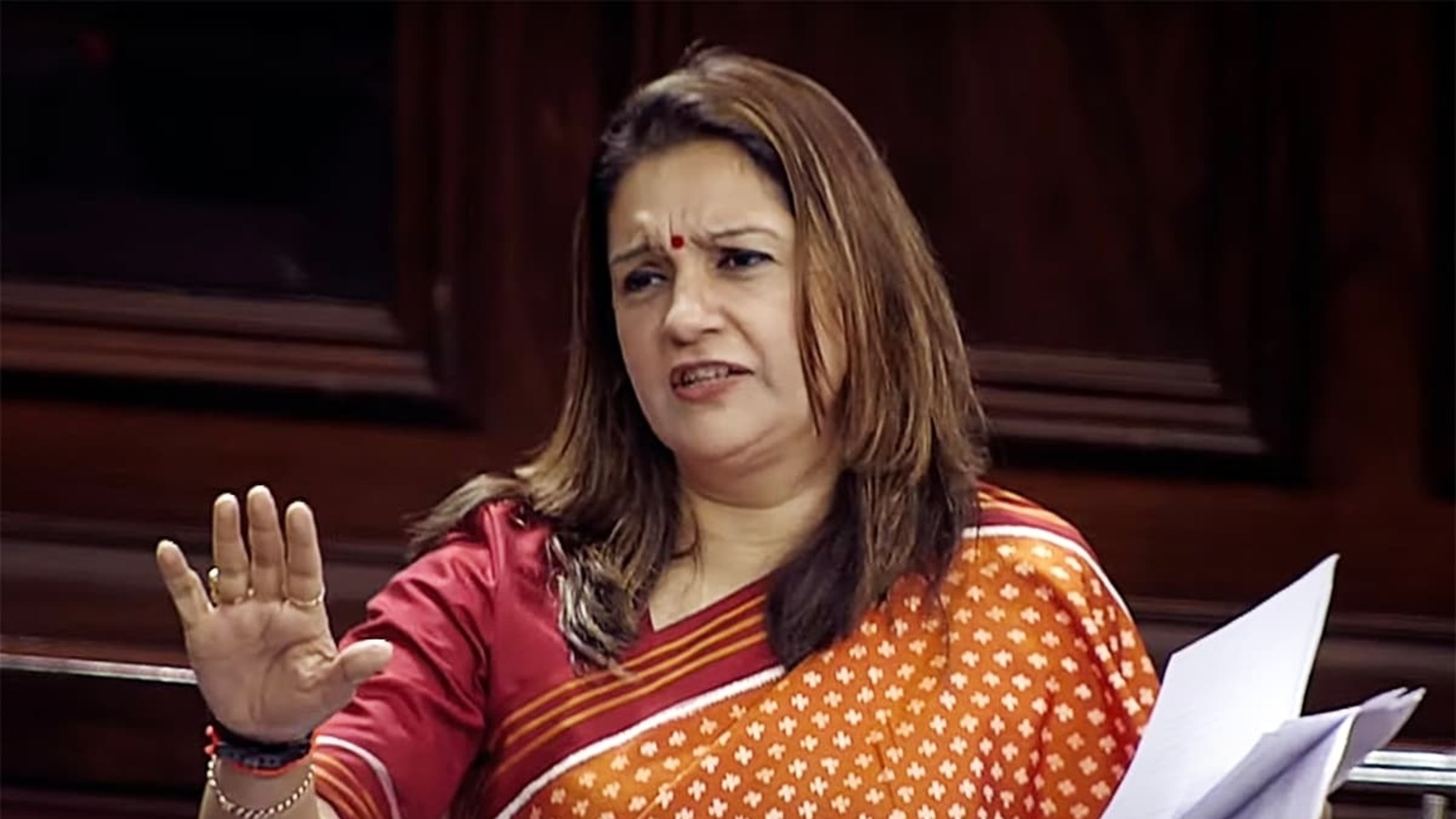
New Delhi : Shiv Sena (UBT) leader Priyanka Chaturvedi has launched a sharp attack on the Central Government over the passage of several bills during the ongoing Monsoon Session of Parliament, alleging that important legislation was cleared within minutes without adequate discussion or scrutiny. In a strongly worded video message, Chaturvedi claimed that three important bills were passed in around three minutes, even as Opposition members were protesting, raising objections and, in some instances, staging walkouts. She questioned whether Parliament was being given sufficient opportunity to properly debate and examine legislation that could have a significant impact on citizens.
According to Chaturvedi, the manner in which the bills were passed raises serious questions about parliamentary functioning and democratic scrutiny, as she alleged that Opposition MPs were not given adequate time to present their concerns, examine the provisions in detail or suggest changes before the legislation was cleared. Chaturvedi also criticised the Public Examinations (Prevention of Unfair Means) Amendment Bill, particularly in the context of recurring examination paper leaks and alleged organised cheating networks.
She said that although the proposed provisions provide for imprisonment of up to 10 years and fines of up to ₹10 crore for institutional offences, the legislation does not sufficiently address what she described as the root causes behind the paper-leak problem.
According to the Opposition’s argument highlighted by Chaturvedi, merely increasing penalties may not be enough unless responsibility is fixed at every level of the examination system. She questioned the absence of stronger provisions to hold senior officials and examination agencies accountable when serious irregularities occur and also raised concerns over the lack of clearly defined provisions for compensation or re-examination of students affected by paper leaks.
She argued that the focus should not only be on punishing offenders after an incident but also on preventing such failures and protecting students whose careers and future may be affected by examination irregularities. Chaturvedi also raised questions over the National Honour Insults Prevention (Amendment) Bill, 2026, particularly its provisions concerning ‘Vande Mataram’.
According to her, the amendment provides legal protection to ‘Vande Mataram’ comparable to that accorded to the national anthem and includes provisions for punishment of up to three years for deliberate obstruction of its singing or intentional insult. She questioned whether legislation involving such sensitive matters should have been passed without detailed parliamentary debate and maintained that MPs should be given adequate opportunity to raise constitutional, legal and practical concerns before such provisions become law.
The Shiv Sena (UBT) leader also criticised the Registration of Births and Deaths (Amendment) Bill, 2026, claiming that it too was passed in a very short period without sufficient discussion on the floor of the House. Highlighting the provision concerning delayed registration, Chaturvedi said that under the new arrangement, if a birth or death is not registered within two years, the concerned person would have to obtain an order from a Judicial Magistrate First Class, instead of approaching the local executive authority under the earlier system.
She questioned whether such a major procedural change had received adequate scrutiny before being approved by Parliament. She further argued that changes to birth and death registration procedures can have significant consequences for ordinary citizens, particularly those who face difficulties obtaining official documents because of delayed registration. Chaturvedi’s broader criticism centred on what she described as the government’s practice of pushing legislation through Parliament amid Opposition protests and disruptions.
She alleged that repeated protests, sloganeering and walkouts were followed by the rapid passage of bills, leaving limited scope for meaningful debate and scrutiny. According to her, parliamentary democracy is not simply about voting on legislation but also about discussion, questioning, examination and accountability, and MPs must be given sufficient time to study bills, raise objections and place their concerns on record.
Her remarks come amid a politically charged Monsoon Session, with the government and Opposition continuing to clash over several contentious issues. Chaturvedi’s allegations are likely to intensify the political confrontation over the functioning of Parliament and the process through which important legislation is being passed.
While the government has continued with its legislative agenda, the Opposition has repeatedly demanded greater discussion and scrutiny of bills before they are approved. The controversy has once again brought the issue of speedy legislation versus detailed parliamentary debate into focus, with Chaturvedi insisting that important laws affecting citizens should not be passed merely on the basis of numbers but should undergo thorough discussion and examination inside Parliament.


 Mudasir Maqbool