 newspop
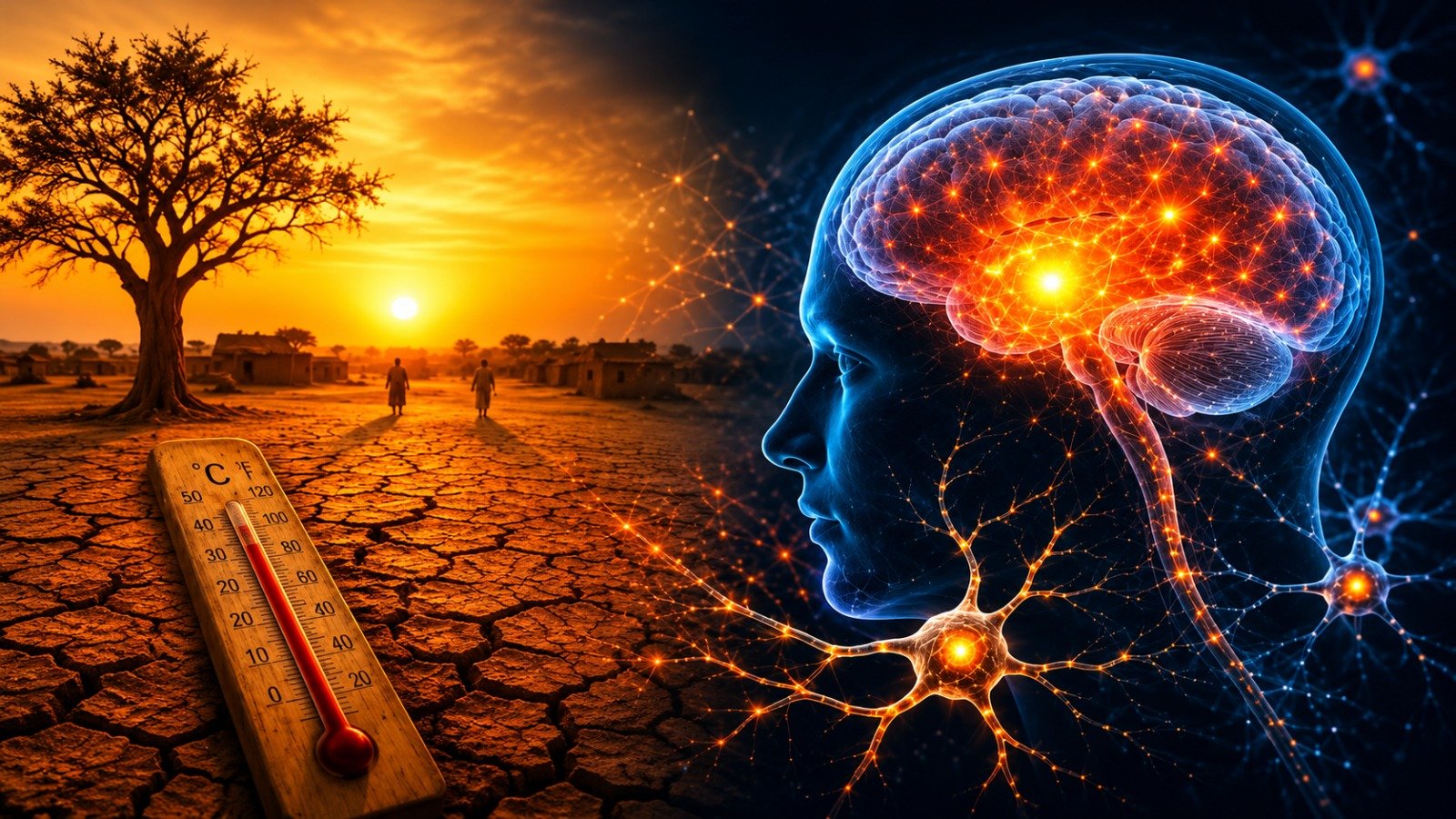
The danger of extreme heat goes beyond rising temperatures and scorching days it may also affect how people feel, sleep, think and cope with everyday life. As climate change contributes to more frequent and intense heat events in many parts of the world, growing attention is being given to its potential impact on mental well-being. Unbearable heat, high humidity, disturbed sleep and prolonged discomfort can increase irritability, emotional strain and stress, particularly among people who have limited access to cooling and safe living conditions.
Natural disasters can leave emotional challenges long after the event is over. Floods, droughts and other climate-related emergencies can force families to leave their homes, disrupt education, damage livelihoods and create uncertainty about the future.
For people who lose their homes, possessions or sources of income, rebuilding life may involve not only financial hardship but also considerable emotional pressure. The effects are not experienced equally: low-income households and vulnerable communities often have fewer resources to recover from extreme weather or protect themselves from prolonged heat.

Children and older adults may face their own challenges. For children, extreme heat can interrupt sleep, make it harder to concentrate on studies and limit outdoor play and physical activities. Teenagers may also feel worried about an uncertain environmental future. Older adults, meanwhile, may experience additional difficulties when familiar surroundings, seasonal patterns or traditional livelihoods change. People already dealing with emotional difficulties may need extra support during periods of severe heat or following a natural disaster.
Climate change is more than an environmental crisis it is also a public health and social concern. Experts increasingly recognise the importance of considering mental well-being in climate adaptation and disaster preparedness. Access to drinking water, shaded and cooler public spaces, early-warning systems, community support and affordable mental health services can all play a role in helping people cope.
As the planet warms, protecting human well-being means looking beyond temperature records and economic losses to understand the wider effects on everyday life. The question is no longer only how hot the world is becoming, but also how communities can stay safe, resilient and emotionally supported in a changing climate.