
 newspop
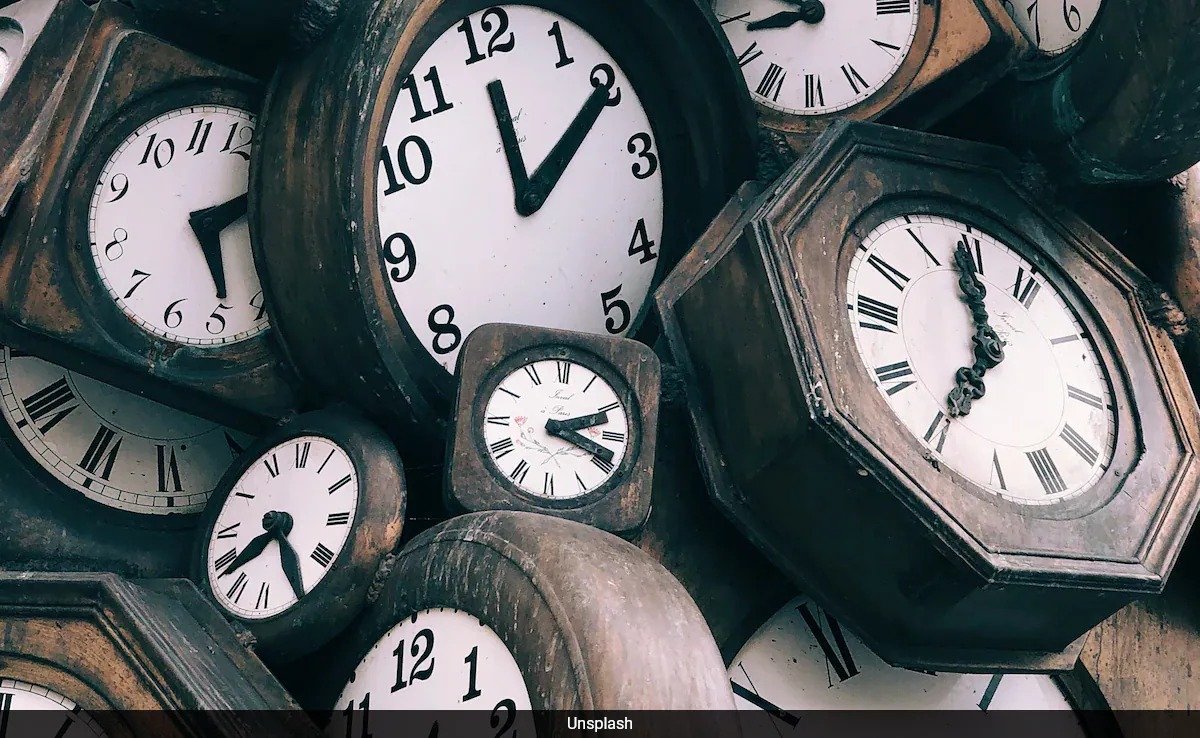
Have you ever wondered why we say “five o’clock” or “four o’clock” when telling the time, but simply say “five fifteen” or “four thirty” when referring to minutes? This small expression, which has become a natural part of everyday conversation, carries a fascinating history dating back several centuries. The word “o’clock” may sound simple, but its origins are closely connected to the evolution of clocks and the way human civilisation learned to measure time.
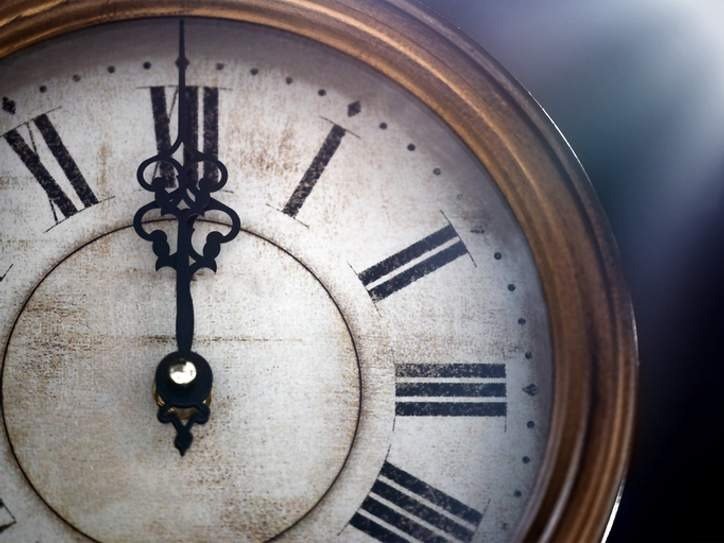
Long before mechanical clocks became common, people depended on natural elements such as the Sun, shadows and flowing water to estimate the time of day. Ancient civilisations used sundials during daylight hours and water clocks to measure the passage of time, particularly when sunlight was unavailable. However, these methods had limitations.
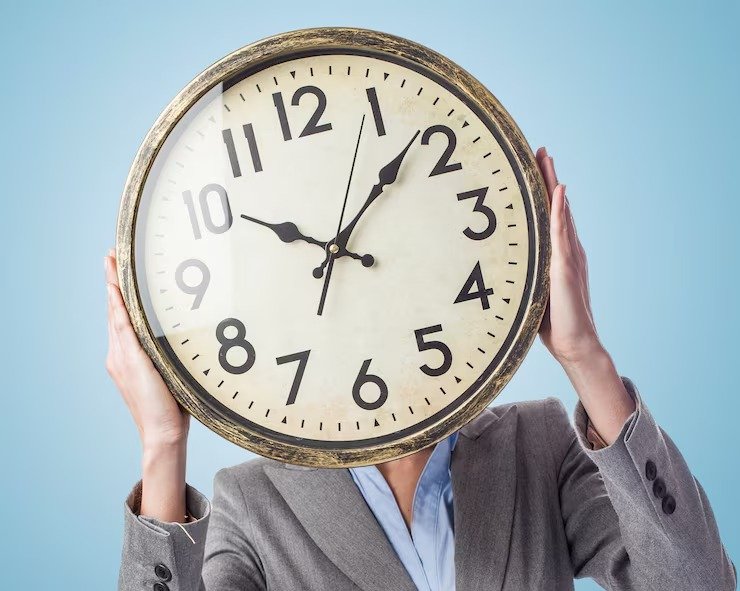
Sundials depended on clear skies and changing sunlight, while the length of daylight varied with the seasons, making consistent timekeeping difficult. As societies developed, the need for a more reliable and standardised way of measuring time became increasingly important. A major transformation came with the emergence of mechanical clocks in medieval Europe, particularly from the 13th century onwards.
These early clocks, often installed in churches, monasteries and public towers, helped communities organise daily activities, religious services and important events. Unlike sundials, mechanical clocks could operate independently of sunlight and weather conditions. During this period, people began using the expression “of the clock” to make it clear that they were referring to time shown by a mechanical clock rather than time estimated through other methods.

Gradually, as language evolved and everyday conversations became shorter, “of the clock” was contracted into the familiar expression “o’clock”. One interesting reason behind its association with exact hours is that many early mechanical clocks were designed primarily to strike or indicate the hour.
They generally lacked the minute-hand precision that modern clocks provide today. As a result, announcing a time such as “five of the clock” was a practical way of communicating the hour. With improvements in clockmaking, more sophisticated mechanisms and minute hands gradually became common, allowing people to measure time with greater accuracy. This also encouraged more detailed expressions such as “quarter past”, “half past”, “quarter to” and exact minutes.
Despite these technological changes, the expression “o’clock” remained firmly established in the English language. Even today, it is traditionally used when referring to an exact hour, such as 6 o’clock, 9 o’clock or 12 o’clock, while times involving minutes are usually expressed without it. Interestingly, the apostrophe in “o’clock” represents the omitted letters from the older expression “of the”.
So, the next time you say “It’s seven o’clock”, remember that you are using a phrase shaped by centuries of linguistic change and technological progress. What sounds like an ordinary expression today is actually a small reminder of how people moved from observing the Sun and measuring shadows to relying on mechanical clocks and modern timekeeping systems.