
 newspop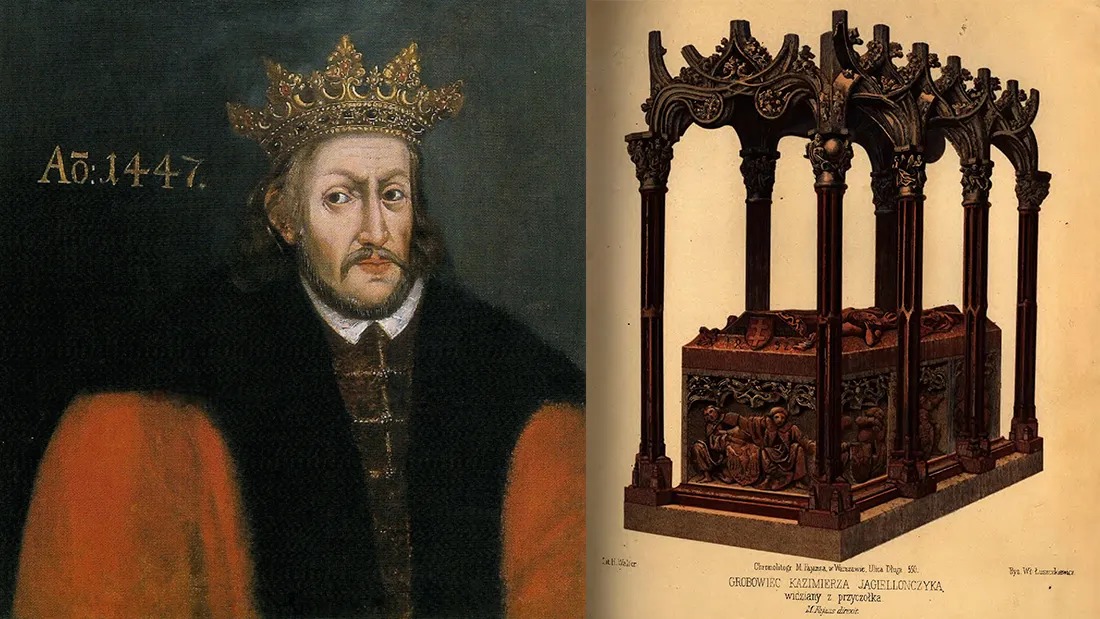
SPECIAL STORY: A Royal Tomb Stayed Sealed for Centuries Opening It Unleashed a Deadly Invisible Threat
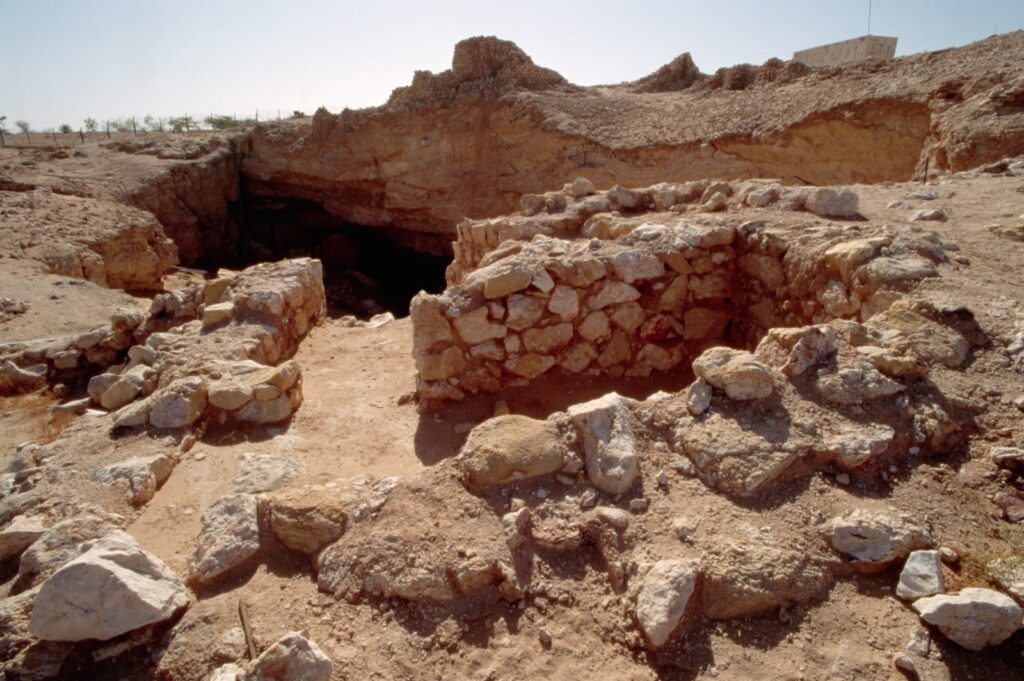
New Delhi : For nearly 500 years, a royal tomb remained sealed in silence. But when archaeologists finally opened it in 1973, the discovery soon turned into a chilling mystery. One after another, researchers associated with the tomb reportedly fell seriously ill and died, leaving behind a terrifying question had they awakened an ancient curse, or had something far more dangerous been hiding inside the tomb all along ?
What followed was a race to uncover the truth, and scientists eventually pointed to an invisible enemy that had survived for centuries: deadly fungal spores trapped inside the ancient burial chamber.
A centuries-old mystery surrounding the tomb of Poland’s famous 15th-century ruler King Casimir IV Jagiellon has continued to fascinate historians and scientists, particularly because of the strange deaths reported after his tomb was opened in 1973, nearly 500 years after his death in 1492.
Researchers and archaeologists were granted special permission to enter the royal burial chamber in Kraków to examine the king’s remains and investigate the historic site, but what began as an important archaeological mission soon became surrounded by fear and speculation.
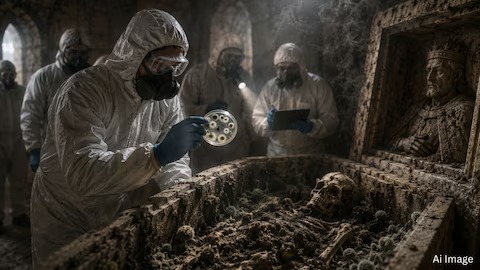
According to accounts of the incident, several researchers associated with the excavation reportedly became seriously ill and died, with the number of deaths eventually being linked to as many as 15 scientists and researchers who had either entered the tomb or worked with the remains in laboratories.
The unusual sequence of deaths led to widespread rumours that the tomb carried an ancient curse, drawing comparisons with the legendary “Curse of the Pharaohs” associated with the opening of Egyptian Pharaoh Tutankhamun’s tomb in 1922.
However, scientists eventually looked for a natural explanation rather than a supernatural one. Investigations reportedly detected potentially harmful fungi, including species belonging to the Aspergillus and Penicillium groups, inside the ancient burial environment. Such fungal spores can survive for long periods in enclosed, undisturbed places and may become airborne when an ancient tomb is opened and its contents are disturbed.
While many fungi cause only mild allergic or respiratory reactions in healthy people, certain Aspergillus infections can become extremely dangerous, particularly for vulnerable individuals, and inhaling a large concentration of spores in a confined environment can pose a serious health risk.
The discovery therefore offered a possible scientific explanation for the mysterious illnesses and deaths that had previously been attributed to an ancient curse. For centuries, the sealed tomb had remained largely untouched, potentially allowing dust, organic material and microorganisms to accumulate inside, and opening the chamber may have released microscopic particles into the surrounding air.
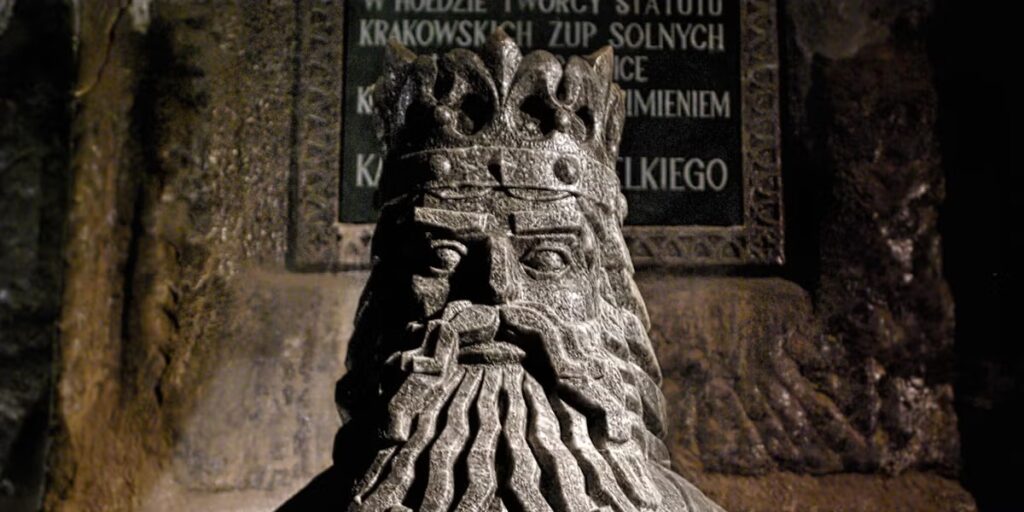
The story of King Casimir’s tomb has since become a striking example of how ancient burial sites can contain hidden biological hazards that are invisible to the human eye. Although tales of royal curses and supernatural punishment continue to capture the public imagination, scientists argue that the real danger may have been far less mysterious but equally frightening an invisible biological threat preserved inside a sealed environment for centuries.
The episode also highlights why modern archaeologists take extensive precautions when entering ancient tombs, caves and poorly ventilated burial chambers, using protective clothing, masks and other safety equipment to reduce exposure to potentially hazardous fungi, bacteria, dust and other contaminants.
In the end, what appeared to be the curse of a long-dead king may have been a deadly natural phenomenon, reminding the world that sometimes the most frightening secrets hidden beneath ancient stones are not ghosts or supernatural forces, but microscopic organisms capable of causing serious disease.