
 newspop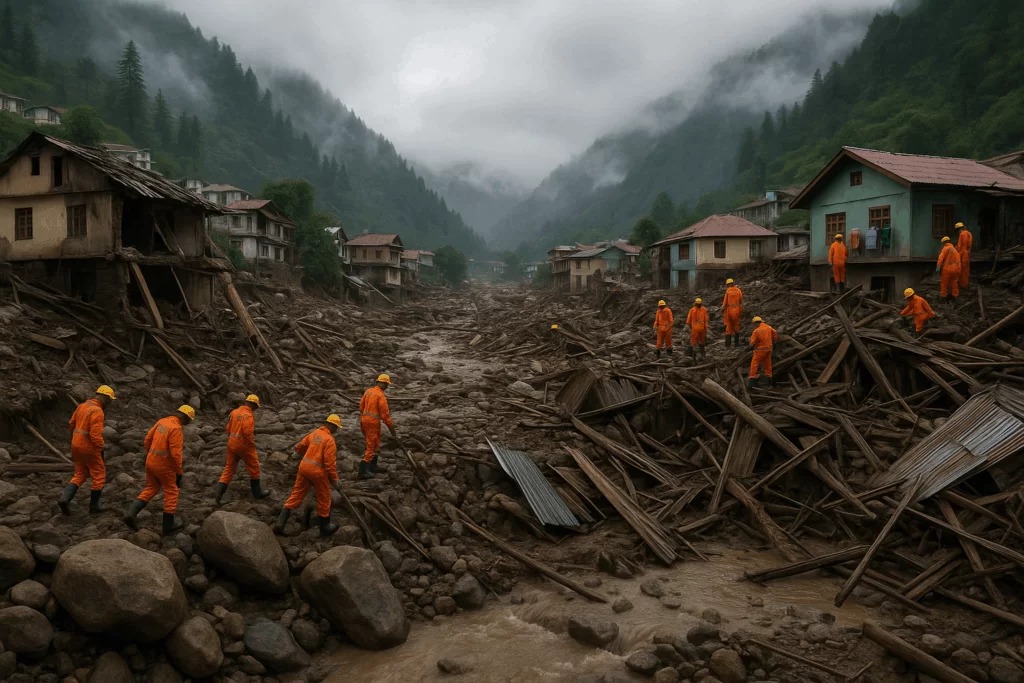
From Heavy Rain to Glacier Melt : Why Himalayan Rivers Can Suddenly Become Forces of Destruction
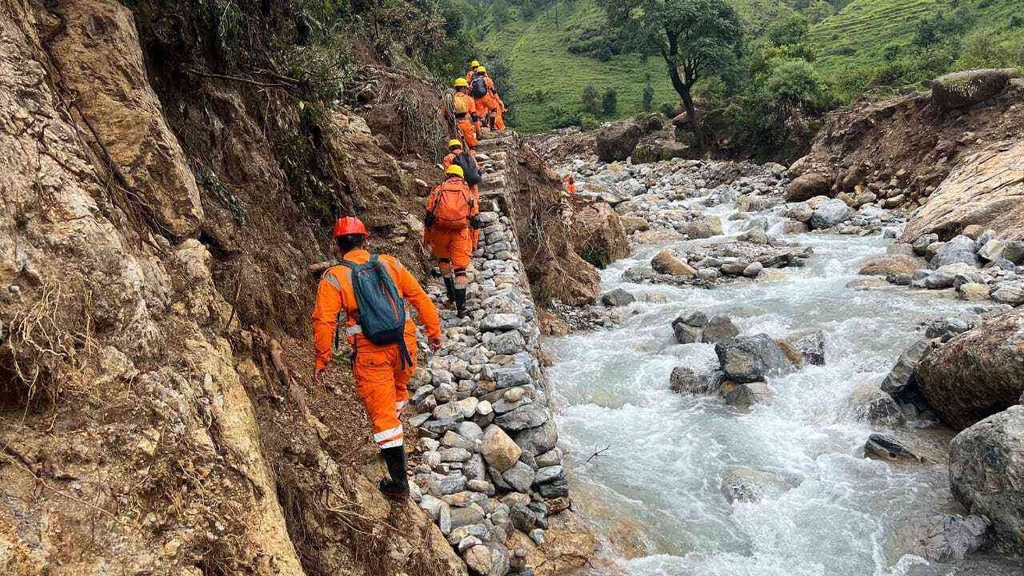
New Delhi: The devastating disaster in Nepal, triggered by extreme weather and a massive surge of water and debris from the Himalayan region, has once again highlighted the enormous and often unpredictable power of Himalayan rivers.
Rivers that appear calm and relatively manageable during much of the year can transform dramatically during the monsoon. Intense rainfall, rapid glacier melt, cloudbursts, landslides and the movement of huge quantities of rocks, mud and debris can combine to produce sudden and highly destructive floods.
But why do Himalayan rivers become so dangerous during the rainy season ?
Two Major Sources Feed Himalayan Rivers
According to geologists, Himalayan rivers receive water primarily from monsoon rainfall and melting glaciers.
During summer, rising temperatures accelerate the melting of glaciers and snow in the high mountains. The resulting meltwater flows into rivers and raises their water levels. When the southwest monsoon arrives, enormous quantities of additional rainfall enter the same river systems.
In many areas, the combination can rapidly increase the volume and speed of water flowing downstream. The danger becomes even greater when exceptionally intense rainfall occurs over a short period.
When Heavy Rain Turns Into a Flash Flood
The Himalayan region is particularly vulnerable to intense rainfall because of its steep terrain.
Moist monsoon winds move toward the mountains and are forced upward by the terrain. As the air rises to higher elevations, temperatures fall and moisture condenses, producing heavy rainfall.
In extreme situations, rainfall can become extraordinarily intense over a small area, triggering sudden flooding and landslides.
However, experts point out that not every episode of heavy rain in the mountains should technically be called a cloudburst. The term refers to an exceptionally intense rainfall event over a very small area, and its use in news reports is sometimes broader than its scientific definition.
Why Landslides Make the Floods Far More Destructive
Water alone is not always the biggest threat.
The steep slopes and narrow valleys of the Himalayas mean that intense rainfall can trigger landslides, sending enormous quantities of soil, rocks and other debris into rivers.
Once these materials enter a rapidly flowing river, the resulting mixture can become far more destructive than ordinary floodwater. Huge boulders, mud, broken trees, ice and other debris can be carried downstream at tremendous speed. They can smash into bridges, roads, buildings and other infrastructure.
In some cases, debris can even temporarily block a river, creating a natural dam. Water then accumulates behind the blockage. If the barrier suddenly collapses, a powerful surge can rush downstream with little warning.
The Rishiganga Disaster:
A Warning From 2021
One of the clearest examples of the destructive power of Himalayan rivers came in 2021, when a catastrophic event struck Uttarakhand’s Rishiganga valley.
A massive rockfall and subsequent failure involving glacial material sent an enormous volume of water and debris down the mountain valleys.
The force of the material moving downstream was so great that it severely damaged the Rishiganga and Tapovan-Vishnugad hydropower projects.
More than 80 people were killed, while many others were reported missing.
The disaster demonstrated how a seemingly small mountain stream can suddenly become a powerful carrier of enormous quantities of rock, ice, mud and debris.
Climate Change Could Make the Risk More Complicated
Experts have increasingly warned that climate change could complicate the Himalayan disaster landscape.
Rising temperatures are affecting glaciers and the frozen environment at high elevations, while changing precipitation patterns can contribute to more intense extreme-weather events in vulnerable mountain regions.
A particularly dangerous combination occurs when extreme rainfall meets unstable slopes and weakened glacial terrain.
The result can be a chain reaction :
Heavy rain → glacier/snow melt → landslide → debris entering river → temporary blockage → sudden release → flash flood.
Such events can develop rapidly, leaving communities downstream with very little time to react.
A Small River Can Become a Major Threat
Geologists caution against underestimating smaller Himalayan rivers and streams.
During an extreme event, even a relatively small watercourse can transport huge quantities of debris. That debris may accumulate downstream, obstructing a larger river and dramatically altering its flow.
This is one reason why the impact of a mountain disaster can extend far beyond the location where it begins. A landslide or glacier-related event high in the Himalayas can potentially affect communities many kilometres downstream, particularly where rivers pass through narrow valleys and densely populated areas.
Why Downstream Areas Are Also at Risk
The danger does not necessarily end in the mountains. Himalayan rivers eventually flow into the major river systems of northern India and the surrounding plains. A sudden surge of water and sediment can therefore affect low-lying areas far downstream.
The combination of Nepal’s mountainous terrain and interconnected river systems means that severe flooding can have consequences across borders.
Development Projects Need Better Risk Assessment
Experts say infrastructure development in the Himalayas needs to take these risks into account.
Roads, bridges, hydropower projects and settlements located close to rivers can face serious dangers during extreme events.
Planning should not be based only on a river’s normal water flow. Authorities and developers also need to consider the possibility of :
• Extreme rainfall
• Cloudbursts
• Glacier and snow melt
• Landslides
• Glacial lake outburst floods
• Rockfalls
• Debris flows
• Temporary river blockages
• Sudden downstream flood waves
The Himalayan Warning
The latest disasters in the Himalayan region have once again shown that these rivers cannot be judged by their appearance during normal conditions.
A peaceful river can become a raging torrent within minutes when extreme rainfall, unstable mountains, melting ice and massive debris come together.
The lesson from disasters such as the 2021 Rishiganga tragedy is clear : understanding the entire mountain ecosystem is essential for protecting communities downstream.
As climate and weather patterns continue to change, better early-warning systems, scientific monitoring, safer infrastructure planning and rapid evacuation mechanisms could become increasingly important across the Himalayan region.
The Himalayas may be the source of some of Asia’s greatest rivers but during extreme weather, those same rivers can become one of nature’s most powerful and unpredictable forces.