 newspop
100+ New Airports, 1,600+ Aircraft Orders : Now India Wants Its Own Plane
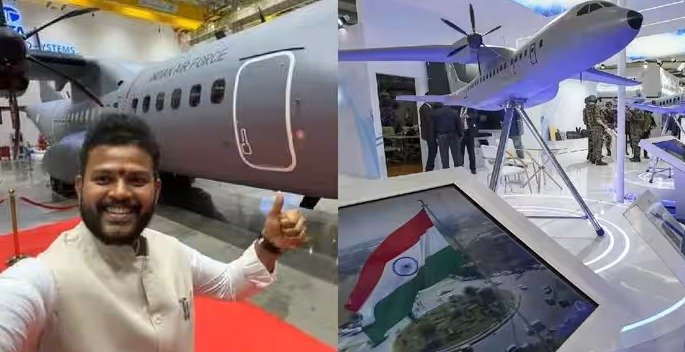
New Delhi : India could soon witness a major milestone in its aviation journey, with an indigenous passenger aircraft potentially becoming a reality within the next two years. Civil Aviation Minister K. Ram Mohan Naidu has expressed hope that India will have a ‘Made in India’ civilian aircraft within the next two years, signalling a major push towards strengthening the country’s domestic aircraft manufacturing capabilities.
Speaking at a symposium organised by the Indian Foundation for Quality Management in Delhi on Tuesday, Naidu said efforts are underway to develop an indigenous passenger aircraft through a joint venture. The proposed initiative is expected to focus on high-quality materials, advanced technology and skilled manpower, with the aim of building an aircraft manufacturing ecosystem capable of meeting international standards.
The minister highlighted that India’s aviation ecosystem is expanding rapidly, supported by growing passenger demand, rising airline fleets and major investments in aviation infrastructure. Indian airlines have already placed orders for more than 1,600 aircraft, with the combined value of these orders estimated at around $100 billion, reflecting the enormous growth potential of the Indian aviation market. Alongside the expansion of airline fleets, the government is also looking to significantly expand the country’s airport infrastructure.

More than 100 new airports are planned over the next 10 years, adding to the approximately 164 airports currently operating in the country. Indian domestic airlines currently have a fleet of around 850 aircraft, and the rapidly expanding fleet is expected to create greater demand for aircraft manufacturing, maintenance, repair and overhaul, components and other aviation services. Global aviation giants such as Boeing and Airbus are already closely connected with India’s growing aerospace ecosystem and supply aircraft components and services to the country.
The value of such aircraft components and related services is currently estimated at around $4 billion, and this figure could rise to approximately $10 billion by the end of the decade, according to the projections cited by the minister. The developments underline India’s ambition to move beyond being one of the world’s fastest-growing aviation markets and emerge as a significant aircraft manufacturing and aerospace hub.
A successful indigenous passenger aircraft programme could reduce dependence on overseas manufacturers over the long term while creating opportunities for Indian companies, engineers, suppliers and skilled workers across the aerospace sector. Naidu also emphasised the importance of maintaining high quality standards and developing the right combination of technology, materials and human resources to support the country’s ambitions.
With airlines expanding their fleets, airports multiplying and global aerospace companies increasing their engagement with India, the country’s aviation sector is entering a new phase. If the proposed indigenous aircraft initiative progresses as envisioned, the sight of a passenger plane carrying the ‘Made in India’ tag could become one of the most significant symbols of India’s growing capabilities in civil aviation and aerospace.