 newspop
India’s Pharma Power: How Much Medicine Does India Export to the US Every Year ?
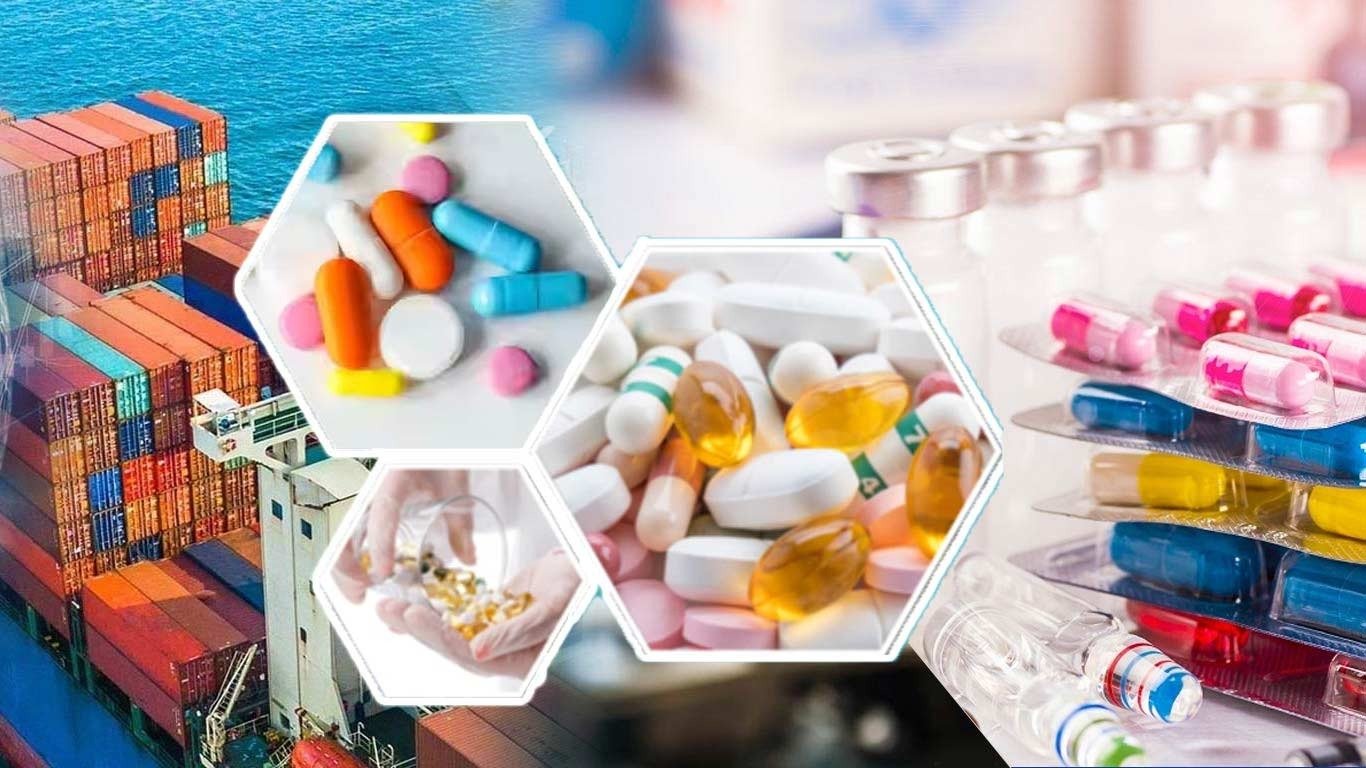
New Delhi : India’s pharmaceutical industry has emerged as one of the most important pillars of the country’s global trade, with the United States remaining its single-largest overseas market for medicines and pharmaceutical products. India exports medicines worth an estimated $8.73 billion to $10 billion every year to the US, making the American market a crucial source of demand for Indian drugmakers.
India’s total pharmaceutical exports are estimated at around $25.8 billion, meaning the US accounts for a significant share of the country’s global medicine exports. Indian pharmaceutical companies have also established a strong presence in the US generic-drug market, where Indian manufacturers are estimated to supply around 40%–47% of generic medicines used in the country.
This extensive presence has made India an important supplier of affordable medicines to the American healthcare system, including generic drugs, antibiotics, pain-relief medicines, tablets, syrups and other finished formulations. The scale of India’s pharmaceutical manufacturing capabilities is further reflected in the large number of facilities that meet stringent US regulatory requirements.
India has more than 600 US FDA-approved pharmaceutical manufacturing facilities, giving Indian drugmakers a substantial manufacturing base capable of supplying medicines to highly regulated international markets. The US is also one of the world’s largest importers of pharmaceutical products, with pharmaceutical imports running into hundreds of billions of dollars, and India accounts for a significant portion of those supplies. Major Indian pharmaceutical companies such as Sun Pharma, Zydus Lifesciences, Lupin, Aurobindo Pharma, Cipla and Dr. Reddy’s Laboratories have built manufacturing, distribution and commercial operations in the US, strengthening their foothold in one of the world’s most competitive healthcare markets.
India’s advantage lies not only in its massive manufacturing capacity but also in its ability to produce high-quality generic medicines at comparatively lower costs. This combination of scale, skilled workforce, technology and cost efficiency has helped India earn the reputation of being the “pharmacy of the world.” While the US remains India’s biggest individual pharmaceutical export destination, Indian medicines are also supplied to major markets across the European Union, the UK, Canada, Australia, South Africa, Nigeria, Brazil, Russia, the Philippines and Kenya.
For the US healthcare system, the importance of Indian pharmaceutical companies goes beyond trade figures, as competitively priced generic medicines can help improve access to essential treatments and reduce overall healthcare costs. With demand for affordable medicines continuing to remain strong, India’s pharmaceutical relationship with the United States is expected to remain a major component of the country’s global healthcare and export story.