 newspop

Not Just Fashion The Hidden Story Behind a Pilot’s White Shirt
SPECIAL STORY : Have you ever wondered why pilots are so often seen wearing crisp white shirts with shoulder stripes while flying thousands of feet above the ground? It may look like a simple fashion choice, but the familiar pilot uniform has a story rooted in aviation history, professional identity, practicality and passenger confidence. The tradition became popular during the early decades of commercial aviation, particularly in the 1930s, when airlines such as Pan American World Airways (Pan Am) adopted uniforms inspired by naval officers and ship captains.
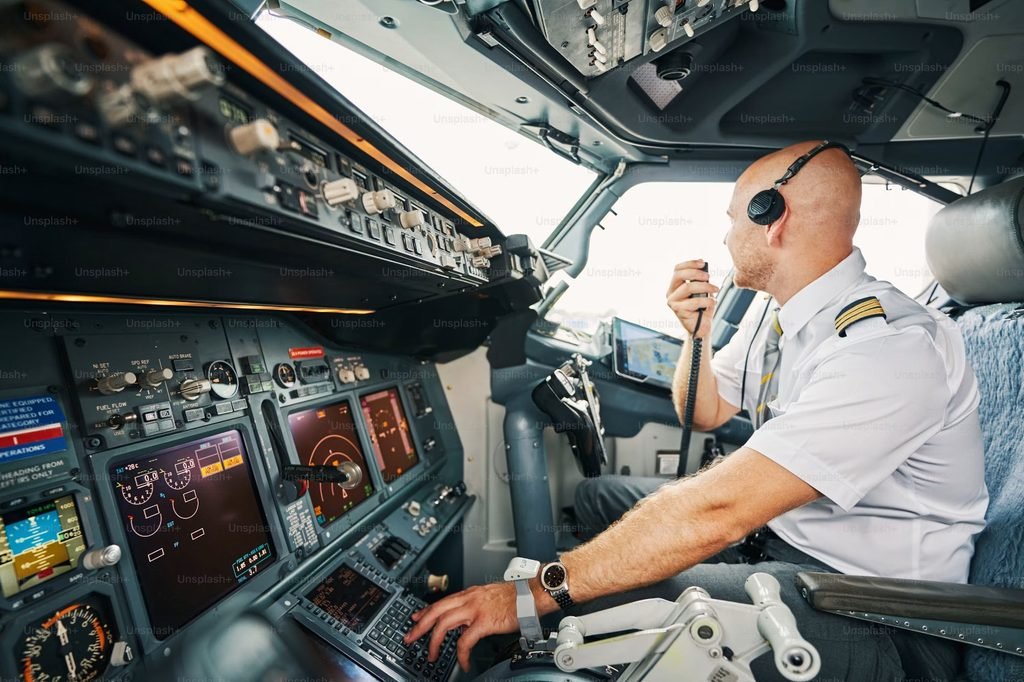
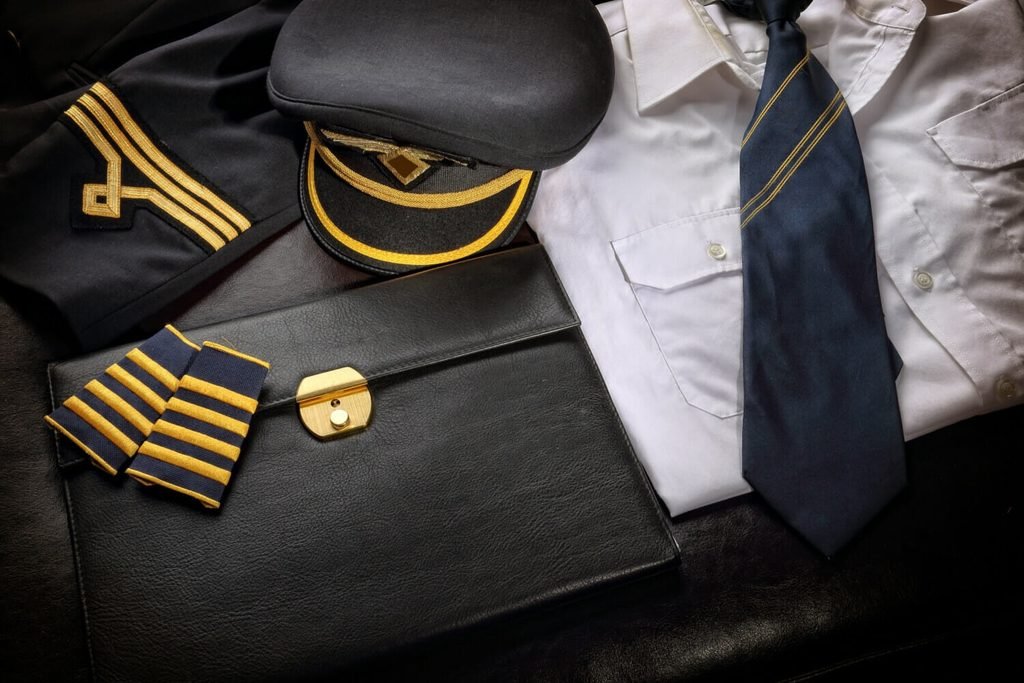
The idea was to give pilots a distinguished, authoritative appearance that reflected their responsibility for safely operating an aircraft. Over time, the combination of a white shirt, dark trousers, a formal jacket and distinctive shoulder stripes became a recognisable symbol of a pilot’s profession.
One of the most important reasons for wearing this uniform is easy identification. At busy airports and inside aircraft cabins, passengers and airport staff need to recognise the person responsible for operating the flight. Shoulder stripes often indicate a pilot’s rank or position, although the exact system varies between airlines.

The uniform therefore serves a purpose beyond appearance, helping communicate professional responsibility and authority. Another reason white remains a popular choice is its association with cleanliness, discipline and professionalism. White fabric makes stains and dirt easier to notice, encouraging careful maintenance and a neat appearance. Airlines also use uniforms to maintain a consistent brand image and create a sense of familiarity among passengers.
There is a practical benefit to white clothing as well: white reflects more sunlight than many darker colours and can absorb less solar heat under comparable conditions. This may be useful in sunny environments, although it is not necessarily the main reason pilots wear white shirts, as modern aircraft cockpits have their own temperature-control systems. Importantly, not every airline requires its pilots to wear white shirts, uniform colours and designs differ according to company policy, climate and operational requirements.

Nevertheless, the traditional white shirt and shoulder stripes have endured because they combine aviation heritage with a clean, formal and easily recognisable appearance. So, the next time you see a pilot in a white shirt, remember that the iconic look is more than just a style statement it represents a long-standing aviation tradition, professional identity and the responsibility associated with taking passengers safely to their destination.