 newspop
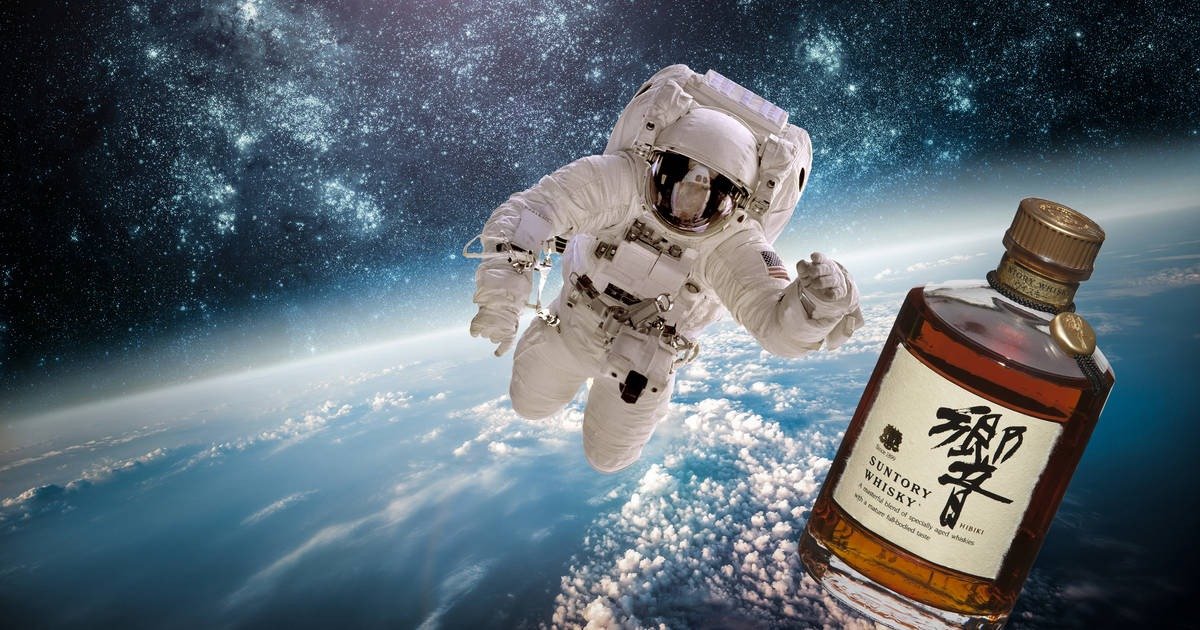
WHAT HAPPENS WHEN WHISKY SPENDS YEARS IN SPACE ? A SURPRISING EXPERIMENT COULD CHANGE OUR UNDERSTANDING OF HOW THE FAMOUS DRINK MATURES
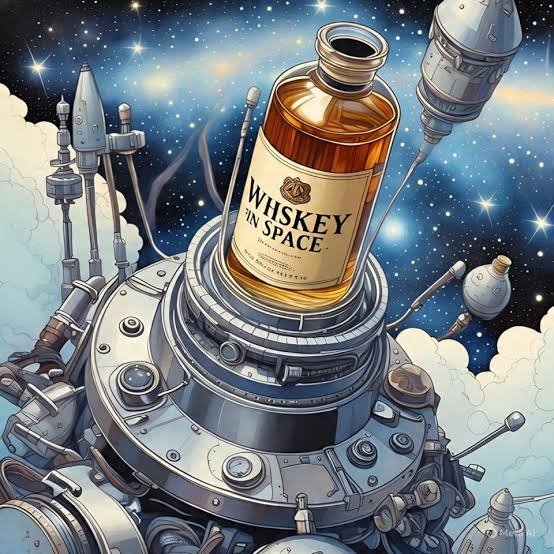
Can whisky develop a different taste when it is exposed to the unusual conditions of space? Scientists have been exploring this fascinating question through experiments involving microgravity, chemical reactions and the maturation process. In October 2011, Scotland’s renowned Ardbeg Distillery sent a sample of unmatured malt whisky to the International Space Station (ISS), launching an unusual experiment that brought together the worlds of science and distilling.
The sample remained aboard the orbiting laboratory for nearly three years, while a comparable sample was kept on Earth to help researchers examine the differences between the two environments. When the samples were analysed in 2015, the space-exposed material was reported to have a noticeably different flavour profile, including stronger smoky characteristics and a distinctive meat-like aroma.
The findings attracted attention because they raised questions about how microgravity and other spaceflight conditions might influence the chemical interactions associated with whisky maturation. On Earth, whisky develops its complex character through a combination of chemical processes, interactions with the wooden cask and the conditions in which it is stored.
In space, however, the absence of normal gravity-driven movement may affect how liquids and chemical compounds interact, although the precise effects require further scientific investigation. The experiment did not establish that space automatically makes whisky better or that all whisky would develop the same changes, but it opened an intriguing avenue for research.
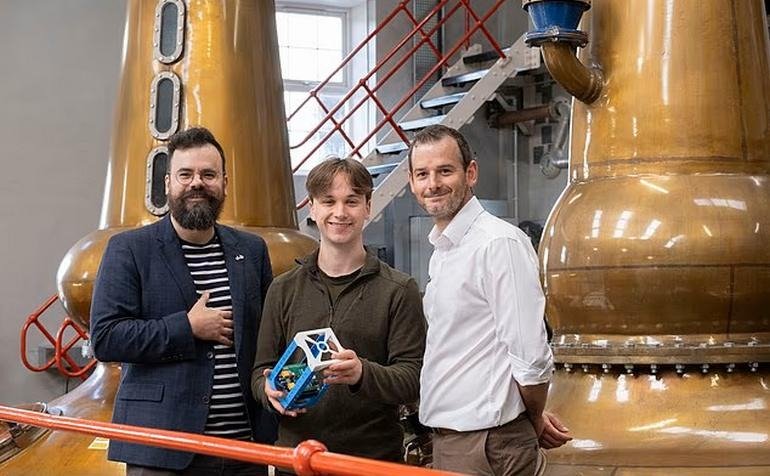
Now, a new initiative known as Space Puffin is reportedly being planned by engineers and scientists from Scotland and Japan, with a proposed mission in 2028.
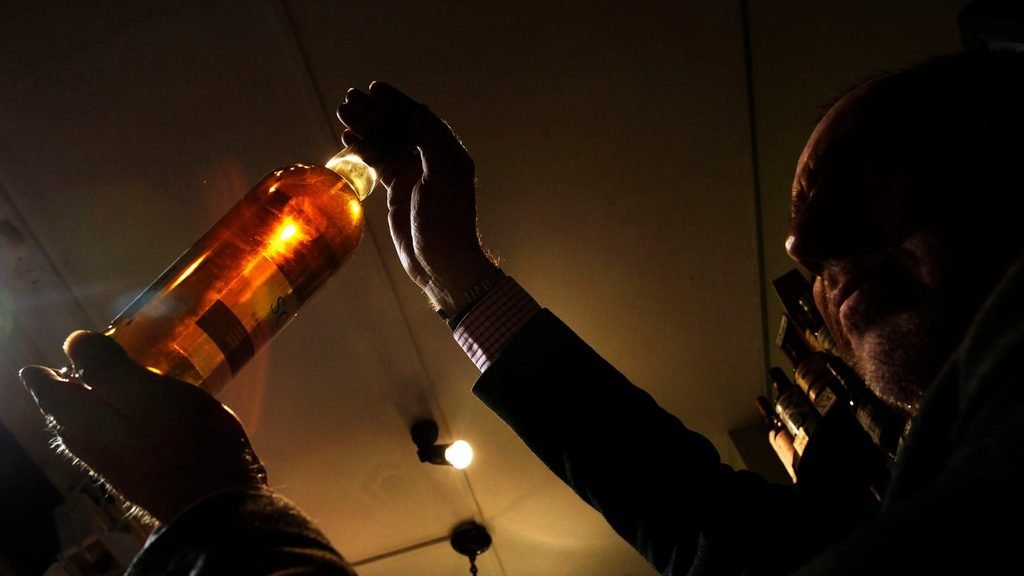
The project aims to take the space-whisky experiment a step further by sending whisky samples into orbit aboard a small CubeSat satellite, with the launch planned through a SpaceX mission. According to the reported plan, the satellite would be deployed from the Japanese module of the International Space Station and remain in Earth’s orbit for approximately five years. During this period, researchers hope to study the chemical changes that occur when whisky samples are exposed to the space environment for an extended period.
The long-duration experiment could provide additional information about the role of microgravity in chemical reactions and help scientists better understand the processes involved in flavour development and maturation. Researchers will need to distinguish the effects of microgravity from other factors, including radiation, temperature variations, storage conditions and the design of the experiment. If the mission proceeds as planned, its findings could offer valuable insights into the chemistry of ageing beverages and potentially inform future research into food and drink production.

However, the project is an experiment not proof that whisky matured in space will be superior to traditionally aged Scotch. For now, one question continues to capture the imagination: Can the space environment change the chemistry behind a drink that has been crafted on Earth for centuries? With a previous experiment reporting unusual flavour differences and a new orbital mission proposed for 2028, space whisky is emerging as a fascinating meeting point between science, technology and the art of distilling.