
 newspop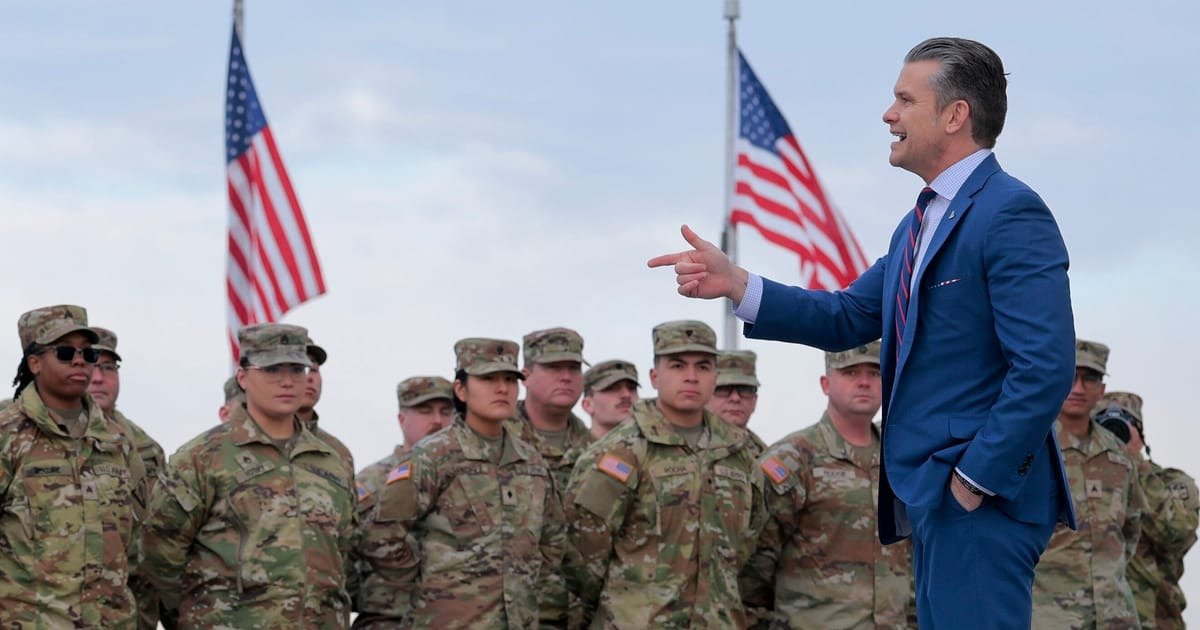
From 80,000 Troops to a Smaller Footprint ? Pentagon Reviews Europe Strategy
The United States is considering a major restructuring of its military presence in Europe, with the Pentagon weighing options that could involve withdrawing around 25,000 troops and potentially as many as 40,000 from the continent, according to reports citing current and former U.S. and Western officials. Around 80,000 U.S. service members are currently stationed across Europe, meaning the most extensive option under discussion would represent a substantial reduction, although no final decision has been made.
The proposals are part of a six-month Pentagon review ordered in June to reassess U.S. force requirements, bases, military capabilities and America’s long-term role in European security. General Alexus Grynkewich, head of U.S. European Command and NATO’s Supreme Allied Commander Europe, is expected to provide an initial analysis to Defense Secretary Pete Hegseth, with a final recommendation expected by November 6 before it goes to President Donald Trump.
The review could involve reductions not only in ground troops but also in air power, naval assets and other military capabilities, while one option reportedly involves moving some U.S. forces from Western Europe toward NATO’s eastern flank rather than simply bringing them back to the United States. Germany, Italy and Spain could be among the countries most affected. Germany currently hosts the largest U.S. military presence in Europe, with roughly 36,000 active-duty U.S. personnel recorded there at the end of 2025, while Italy had about 12,700 and Spain about 3,800 permanently assigned personnel, according to U.S. Defense Manpower Data Center figures cited by Reuters.
The potential drawdown comes after the Trump administration has repeatedly pushed European NATO members to take greater responsibility for their own defense, while the Pentagon has said its broader objective is to develop a stronger European-led defense role within NATO.
Earlier this year, Washington had already announced plans to withdraw about 5,000 troops from Germany, while NATO officials said additional reductions could take place over several years as European allies expand their military capabilities. The possibility of a much larger reduction is now drawing attention because it comes while the Russia-Ukraine war continues and NATO countries remain focused on strengthening deterrence and defense capabilities.
Reuters reported that some U.S. lawmakers and European officials have expressed concern about the strategic implications of reducing American forces, while supporters of a greater European defense role argue that European allies should develop more of the capabilities needed for the continent’s security. For now, the reported figures represent options under consideration not an announced withdrawal of 40,000 troops. The final scale and location of any future changes will depend on the Pentagon review and the decisions that follow.