
 newspop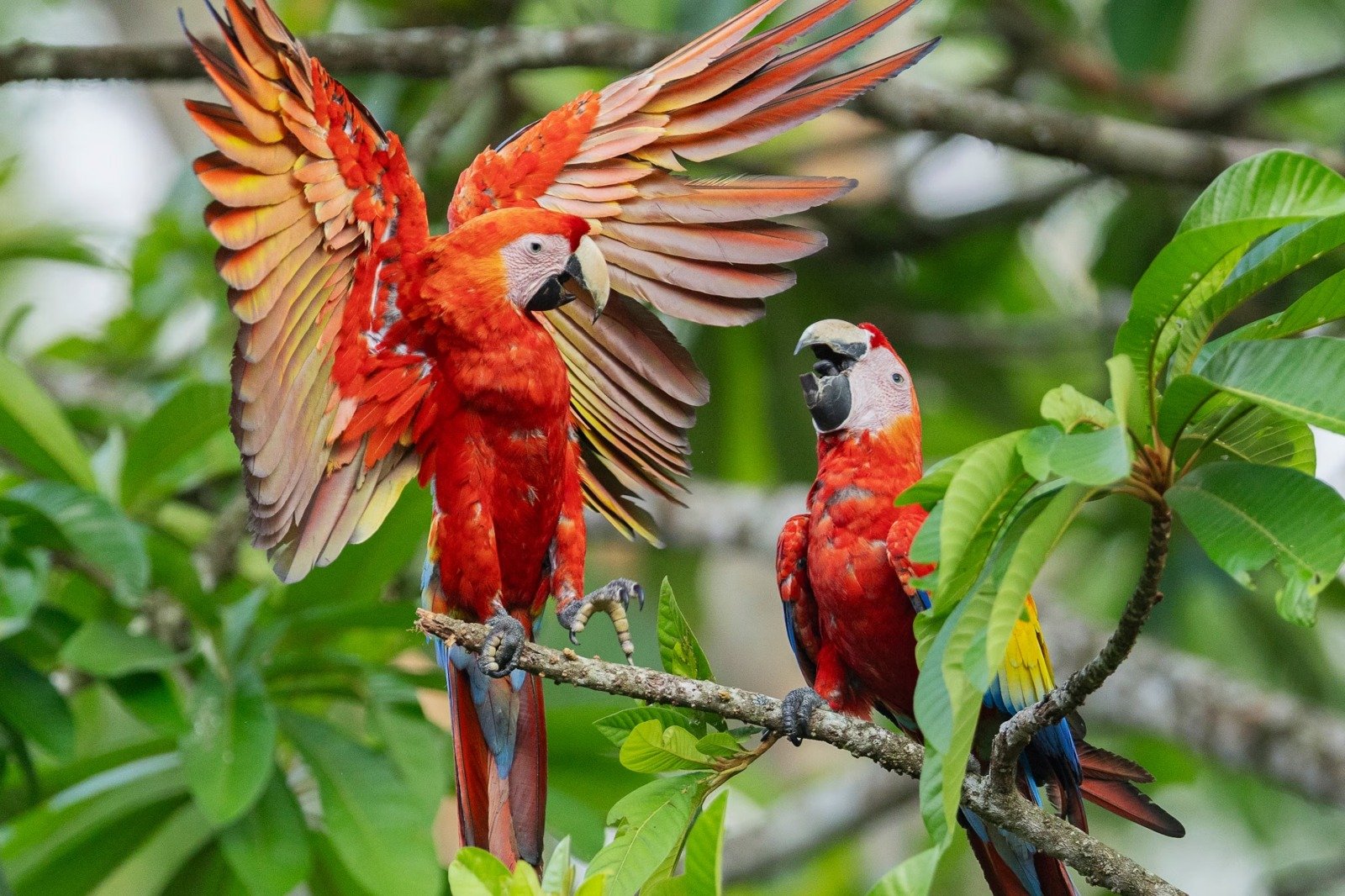
Nature Can Be Cruel : Why Scarlet Macaw Chicks Die in Their Own Nests
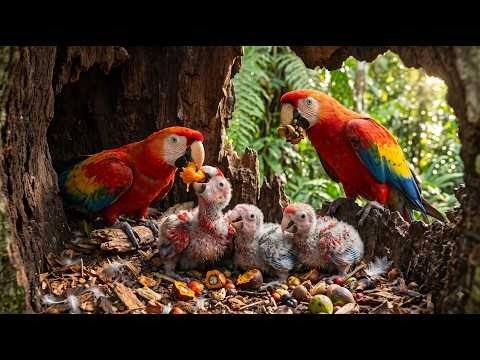
SPECIAL STORY : They look like a burst of colour flying through the rainforest but behind those stunning red feathers lies a heartbreaking struggle for survival. In the harsh world of nature, even a baby bird may be left without food when its siblings are stronger.
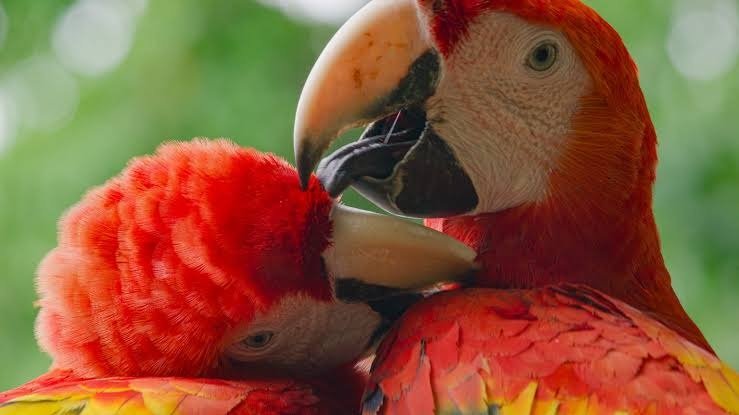
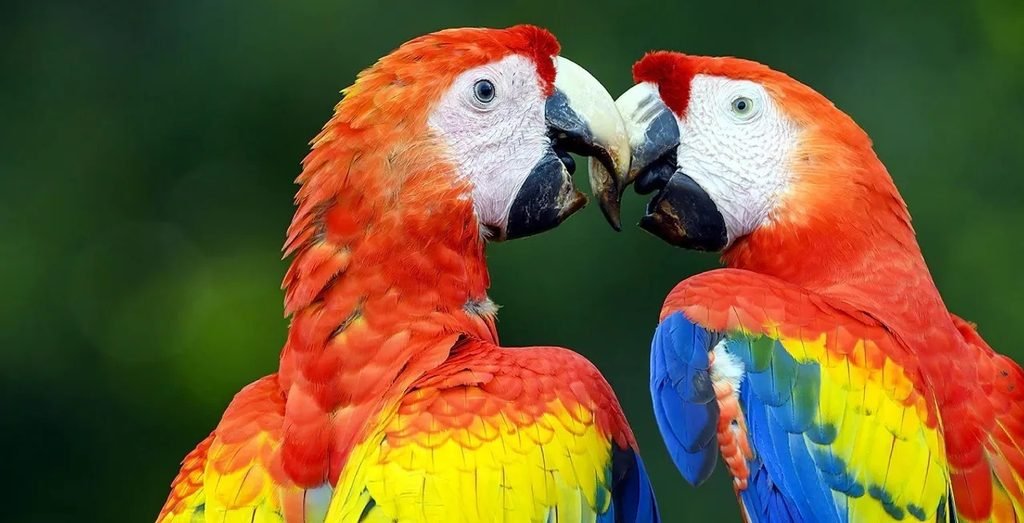
The brilliantly coloured Scarlet Macaw is famous for its striking red plumage, vibrant wings and beautiful appearance. But researchers studying these magnificent parrots in the wild have uncovered a harsh reality of their early lives. According to research associated with Peruvian scientist Gabriela Vigo-Trocco, the youngest chicks in a Scarlet Macaw nest can face a severe disadvantage when competing with their older siblings for food.
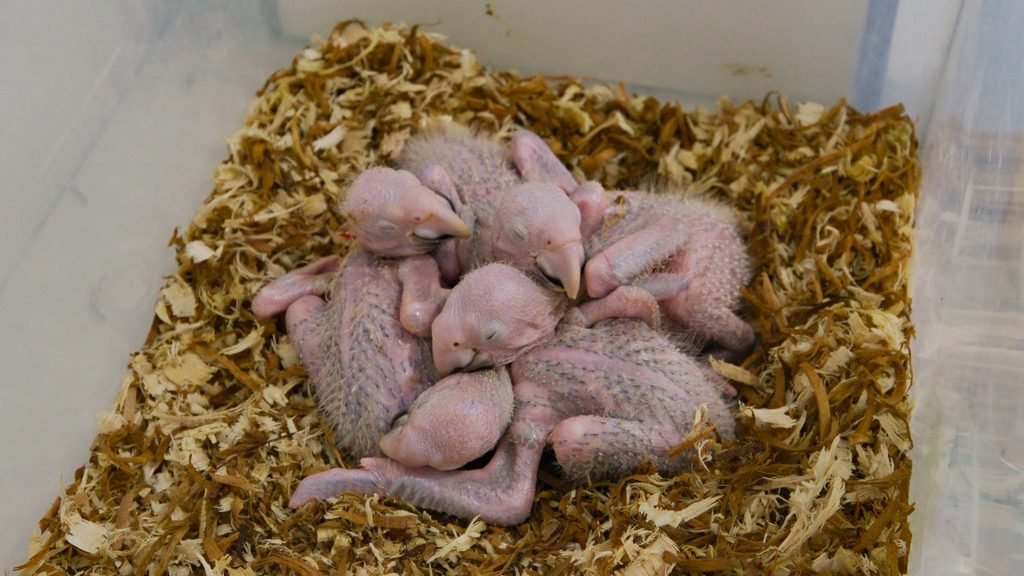
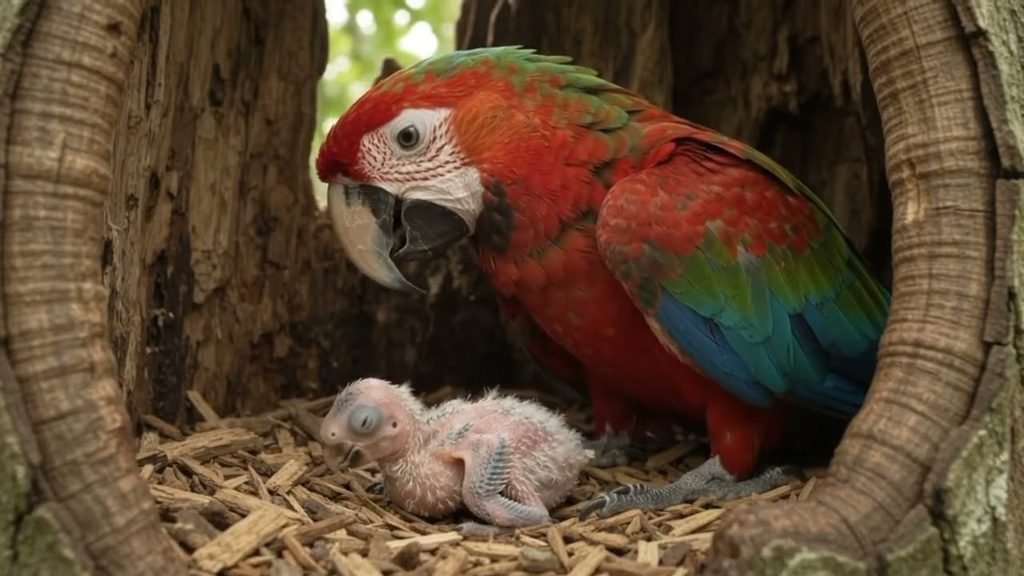
A female can lay up to four eggs in a nest, but often only one or two chicks survive to eventually leave the nest and fly. The third and fourth chicks face a particularly high risk of dying, largely because they struggle to compete for food and care.
The finding highlights one of nature’s most difficult survival strategies : when food and parental resources are limited, the strongest and oldest chicks may receive more nourishment, while the smallest can be left behind. What appears to be a colourful and peaceful family high in the rainforest canopy can therefore become a life-or-death battle for the youngest chick.
One remarkable rescue took place in 2018 at Peru’s Tambopata National Reserve, when researchers discovered a fourth chick named Parker that was at serious risk. Instead of allowing the tiny bird to perish, researchers rescued it from the nest and provided hand-feeding for around three weeks. The young macaw was then introduced into the nest of another wild female, known as Tambo.
Remarkably, Tambo accepted the chick, giving Parker another chance to survive in the wild. Months later, Parker successfully learned to fly.
The rescue was part of a wider conservation effort. Between 2017 and 2019, another 25 chicks were reportedly saved using similar intervention methods, demonstrating how carefully managed nest transfers and foster parenting can potentially give vulnerable chicks a second chance.
The conservation challenge is even bigger because Scarlet Macaws face pressure from habitat destruction, hunting and the loss of suitable nesting sites. In parts of Mexico and Central America, populations of related Scarlet Macaw groups have experienced severe declines, making successful breeding and chick survival increasingly important for conservation.
Now, researchers are exploring ways to make the rescue process more efficient. Instead of raising vulnerable chicks by hand for long periods, scientists are working on methods to move chicks directly from one nest to another, allowing wild foster parents to raise them. Such an approach could reduce the cost and intensive human care involved while helping more vulnerable chicks survive and eventually return to the forest.
The story of Parker and the other rescued chicks offers a powerful reminder that wildlife conservation is not always about saving an entire species at once it can begin with saving one tiny life. In the colourful world of the Scarlet Macaw, every surviving chick could matter for the future of these spectacular rainforest birds.