
 newspop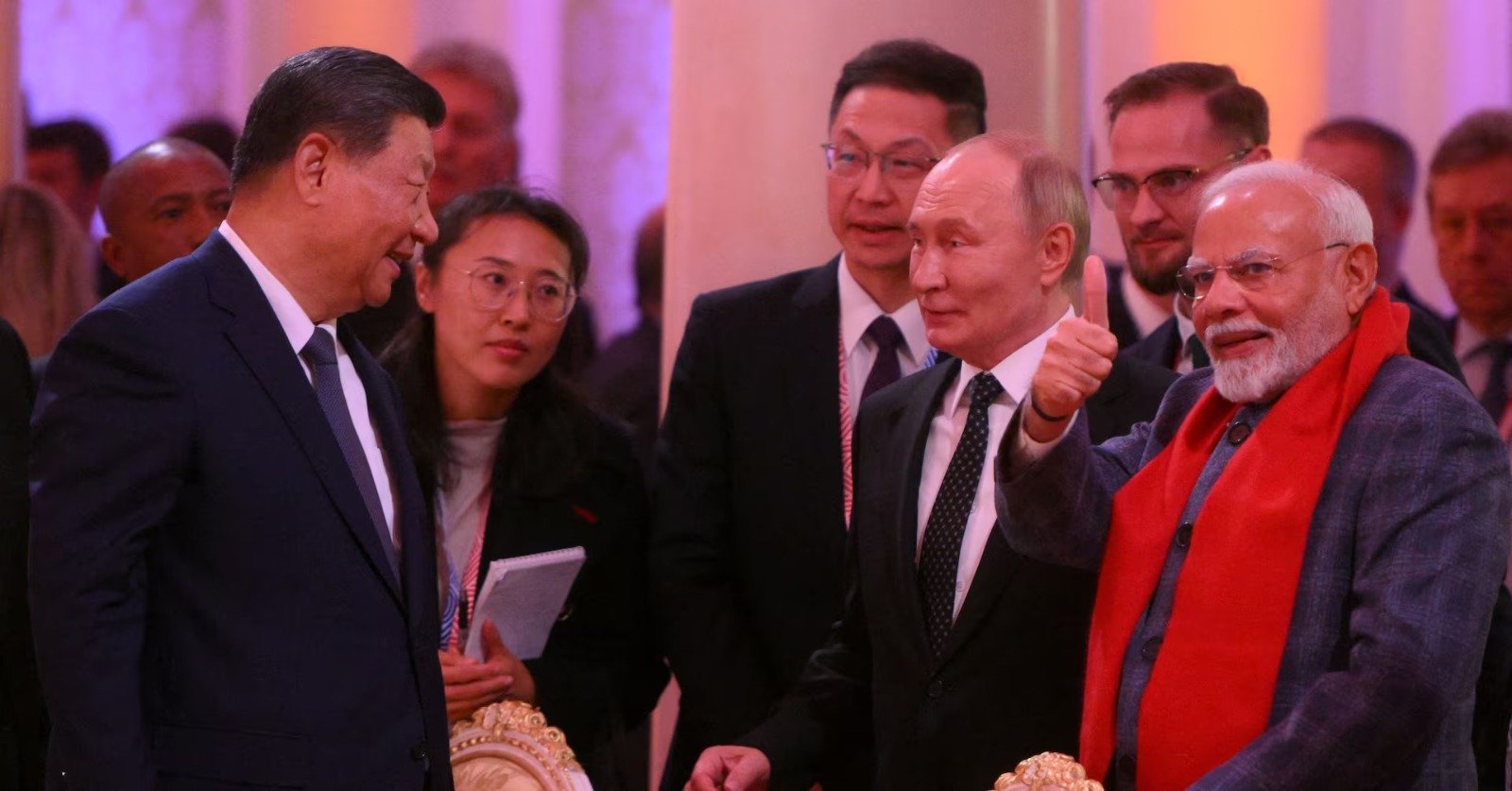
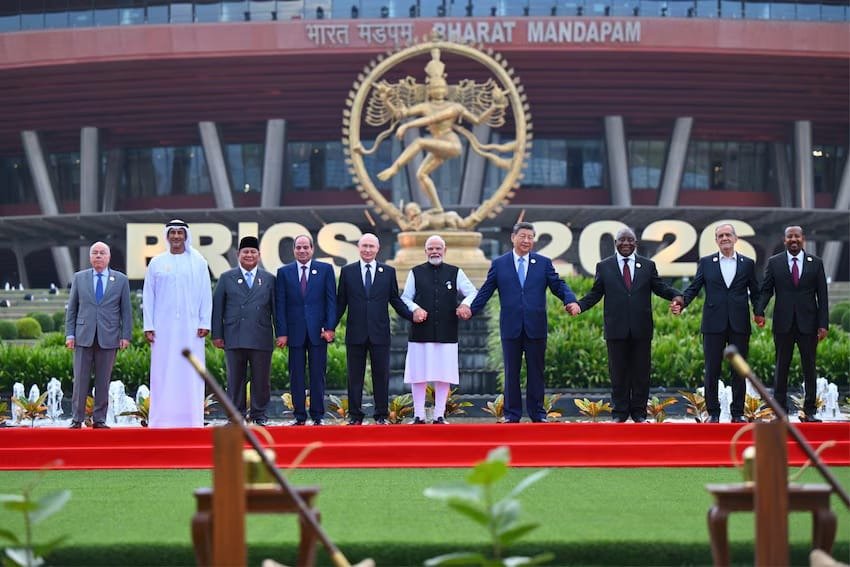
New Delhi : At a time when global leaders are coming together at the BRICS Summit with a renewed focus on cooperation, dialogue and peaceful solutions to international conflicts, the Russia-Ukraine war has once again taken a dangerous turn, highlighting the urgent need for sustained diplomatic efforts. Ukraine has reported one of the latest major waves of Russian attacks, with nearly 500 drones and missiles launched against multiple parts of the country, including Kyiv, Kramatorsk, Zhytomyr and Zaporizhzhia.
The large-scale strikes reportedly hit residential areas as well as critical and emergency infrastructure, resulting in the deaths of at least nine civilians and leaving several others injured. The attacks have also raised fresh concerns over the impact of the prolonged conflict on ordinary people and essential services.
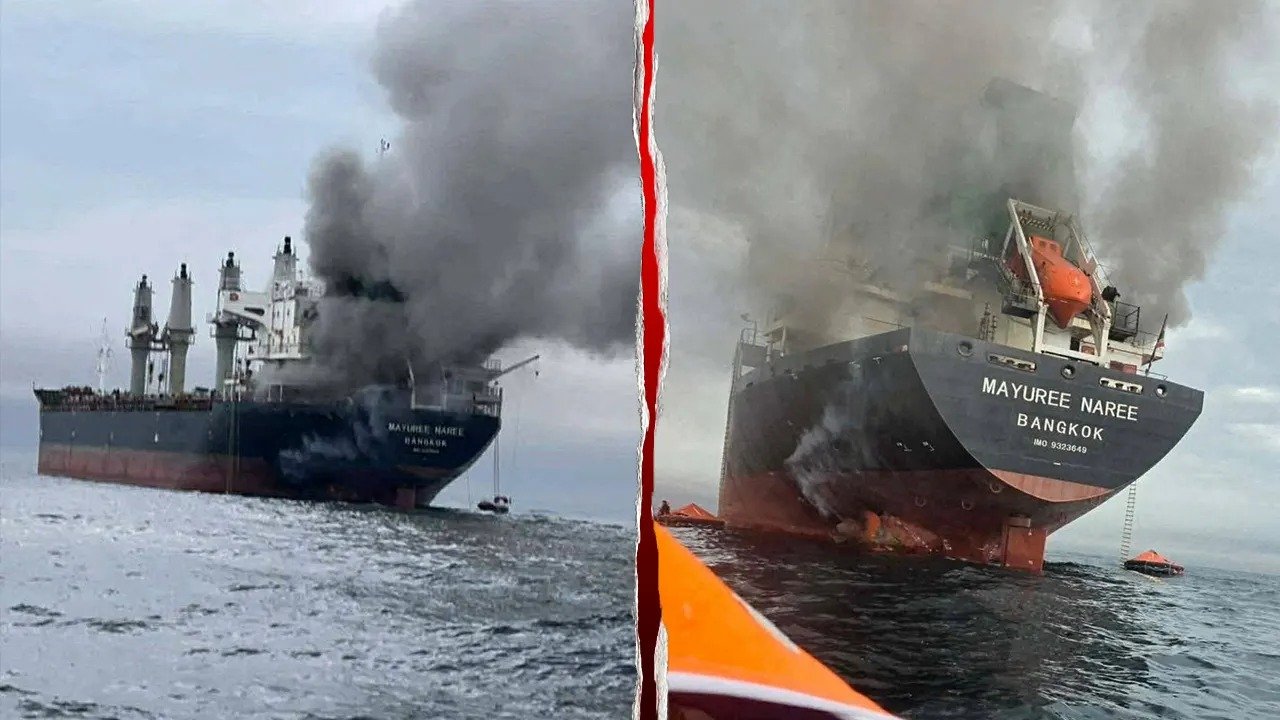
In another significant development, the Black Sea port of Odesa was reportedly targeted, with Ukrainian authorities alleging that a cargo vessel was also hit during the attacks, adding another layer of concern over the safety of maritime activity and vital trade routes in the region. Ukraine, meanwhile, has continued to respond with strikes against targets inside Russia.
Ukrainian forces reportedly targeted a major Russian industrial facility associated with the production of synthetic rubber and missile fuel, demonstrating how the conflict continues to extend beyond conventional frontline positions.
Amid the intensifying military exchanges, Ukrainian President Volodymyr Zelenskyy has made a serious allegation against Moscow, claiming that Russia is increasingly attempting to damage Ukraine’s economy and disrupt the daily lives of its citizens rather than focusing solely on battlefield positions. Zelenskyy has alleged that systematic attacks on critical infrastructure and economically important facilities are aimed at weakening Ukraine’s economic backbone and putting additional pressure on the country and its people.
The latest escalation comes against the backdrop of renewed international discussions on the importance of dialogue, diplomacy and peaceful conflict resolution. As countries engage in high-level conversations on global stability, the continuing violence in Ukraine serves as a stark reminder of the human and economic costs of war.
The widening attacks, civilian casualties and damage to infrastructure have strengthened calls from the international community for meaningful negotiations and diplomatic engagement. While the battlefield situation remains tense, the emphasis on dialogue at global forums such as BRICS has renewed hopes that sustained diplomatic initiatives could eventually help create conditions for de-escalation and a lasting peaceful settlement.
The latest developments therefore underline a major challenge before the international community: balancing national security concerns with the urgent need to protect civilians, preserve critical infrastructure and keep the door open for diplomacy. As the conflict enters another phase of heightened tension, the focus on peace, dialogue and cooperation remains more important than ever.