
 newspop
One Flash Can Blind You ! Centre Targets Dangerous High-Beam Lights With New Rules
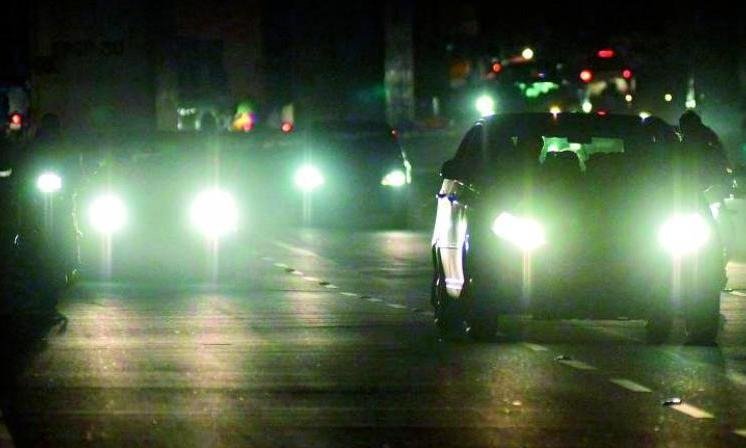
NewDelhi : Driving at night could soon become safer for millions of motorists as the Central Government moves to tighten headlight regulations in a bid to reduce accidents caused by excessive glare from high-beam lights. Anyone who has driven on highways or poorly lit roads at night knows how dangerous it can be when an approaching vehicle suddenly flashes an intense high beam, temporarily blinding the driver and making it difficult to see the road, pedestrians or other vehicles ahead.
To address this growing road-safety concern, the Ministry of Road Transport and Highways (MoRTH) has proposed changes aimed particularly at automatic headlamp systems fitted in two-wheelers, under which such systems would operate only in the low-beam or passing-beam mode, making it harder for motorists to deliberately misuse the automatic setting.
The proposed changes also seek to reduce the maximum permissible headlight intensity, with the limit for two-wheelers reportedly being reduced from 1.5 lakh candela to 1 lakh candela, while the maximum intensity for four-wheelers would be brought down from 2.25 lakh candela to 1.5 lakh candela.
The move comes amid concerns that excessively bright headlights can create a temporary loss of vision for oncoming drivers and pedestrians, particularly on dark highways, rural roads and stretches with limited street lighting, potentially increasing the risk of serious crashes. Modern vehicles increasingly come equipped with automatic headlamp systems that switch on as soon as the engine is started, but concerns have been raised over the misuse of powerful beams by some drivers.
Under the proposed approach, vehicle manufacturers would have to ensure that automatic headlight systems are configured in a way that prioritises low-beam operation, potentially reducing intentional misuse and improving visibility for everyone sharing the road.
The proposed regulations are aimed not only at improving driver comfort but also at strengthening overall road safety, particularly during night-time travel when glare can become a major hazard within seconds. If implemented as proposed, the new requirements are expected to apply to relevant vehicles manufactured from April 2028, giving automobile manufacturers time to adapt their technologies and comply with the updated standards.
The effectiveness of the new rules will ultimately depend on how efficiently manufacturers implement the changes and how strictly motorists follow safe-lighting practices, but the proposed step signals a stronger focus on tackling one of the most common yet often overlooked dangers on Indian roads blinding high-beam glare.