
 newspop
Inside the Forbidden World of the Sentinelese : The Isolated Tribe of North Sentinel Island
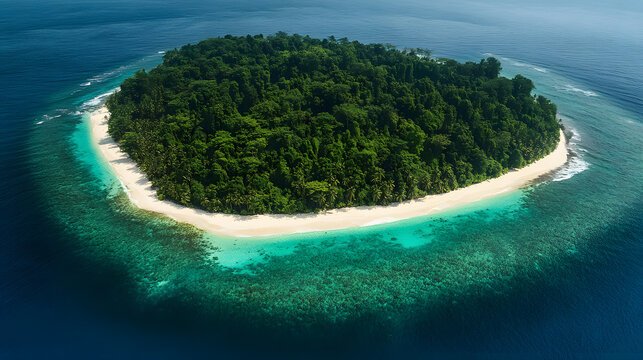
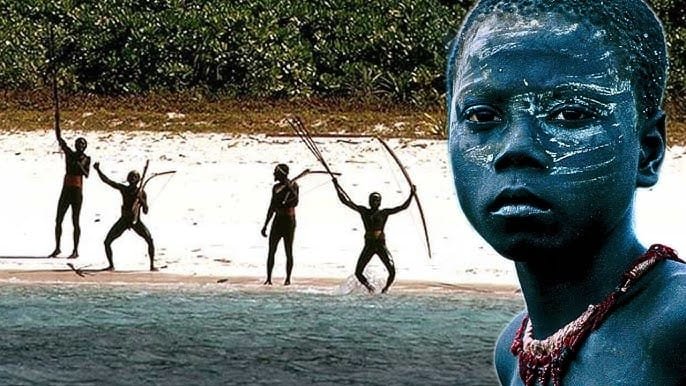
SPECIAL STORY: Imagine an island hidden in the turquoise waters of the Bay of Bengal, where the outside world remains almost entirely unknown and modern civilisation is kept firmly at a distance this is North Sentinel Island, home to the mysterious Sentinelese, one of the world’s most isolated Indigenous communities.
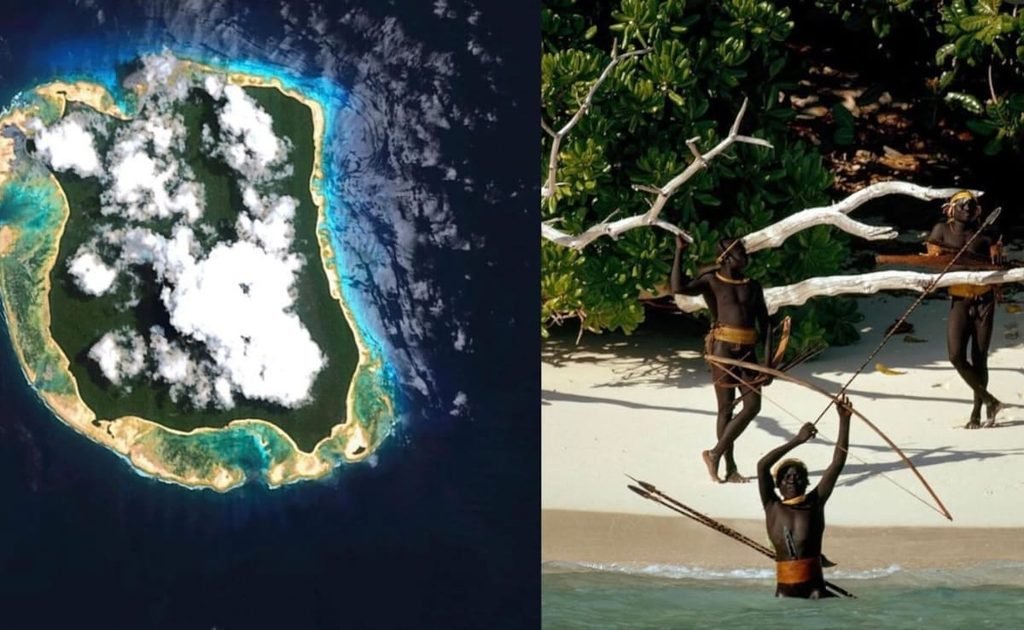
Living on the remote island in India’s Andaman and Nicobar Islands, the Sentinelese have maintained a largely self-sufficient way of life for generations, relying on their surrounding forests and coastal waters for food and survival. They are recognised as a Particularly Vulnerable Tribal Group (PVTG) and a Scheduled Tribe and are part of the broader Andamanese peoples, whose history stretches back thousands of years in the Andaman region.
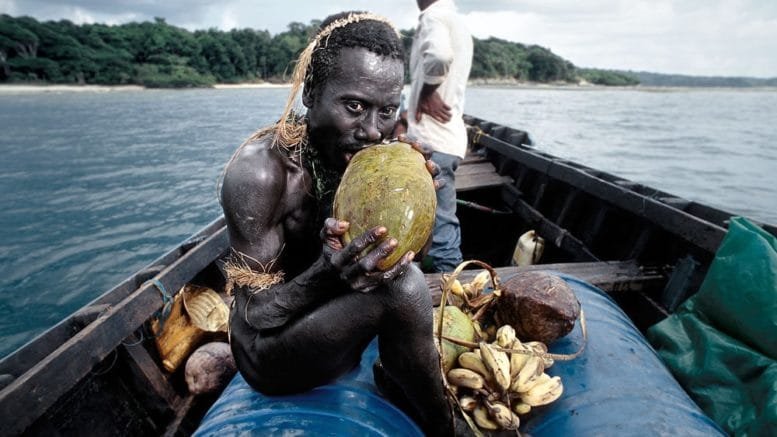
Very little is known about their language, traditions, population or everyday life because the community has consistently resisted sustained contact with outsiders. Indian authorities have therefore adopted a strict policy of protecting the island and its inhabitants from outside interference, with access to North Sentinel Island prohibited in order to safeguard both the tribe and visitors.
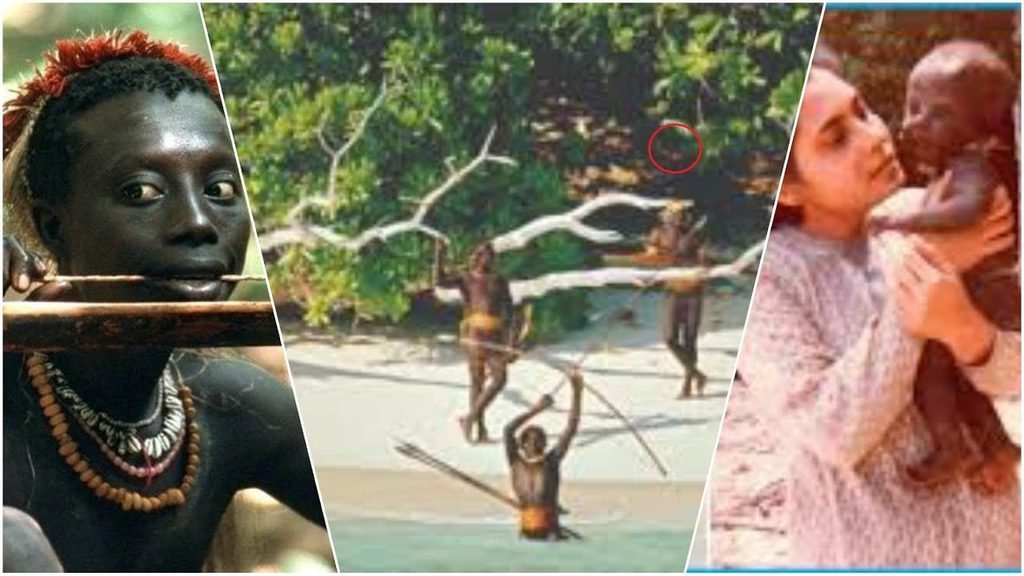
The isolation is particularly important because contact with outsiders could expose the Sentinelese to infectious diseases against which they may have little or no immunity, potentially threatening the survival of the entire community. Their history has also been marked by encounters with outsiders, including colonial expeditions and later attempts at contact, but the Sentinelese have repeatedly demonstrated their desire to remain independent and undisturbed.
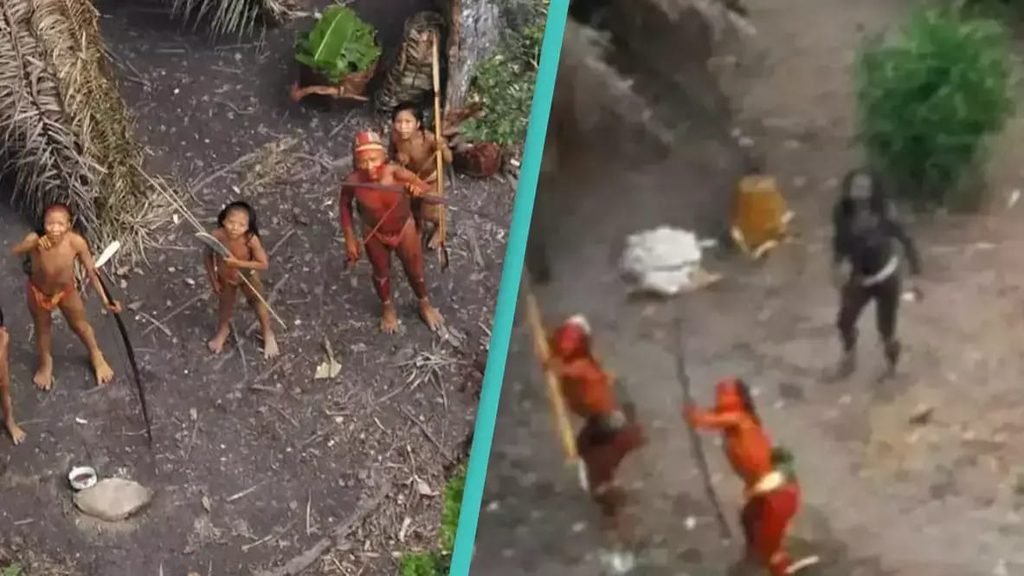
Today, North Sentinel Island remains one of the rare places where a community continues to live largely beyond the reach of modern society, making the Sentinelese not simply a subject of curiosity but a powerful reminder that different cultures have the right to determine their own way of life. Their story raises profound questions about privacy, indigenous rights, human curiosity and the responsibility of the modern world to protect communities that choose isolation rather than forcing contact upon them.