

 newspop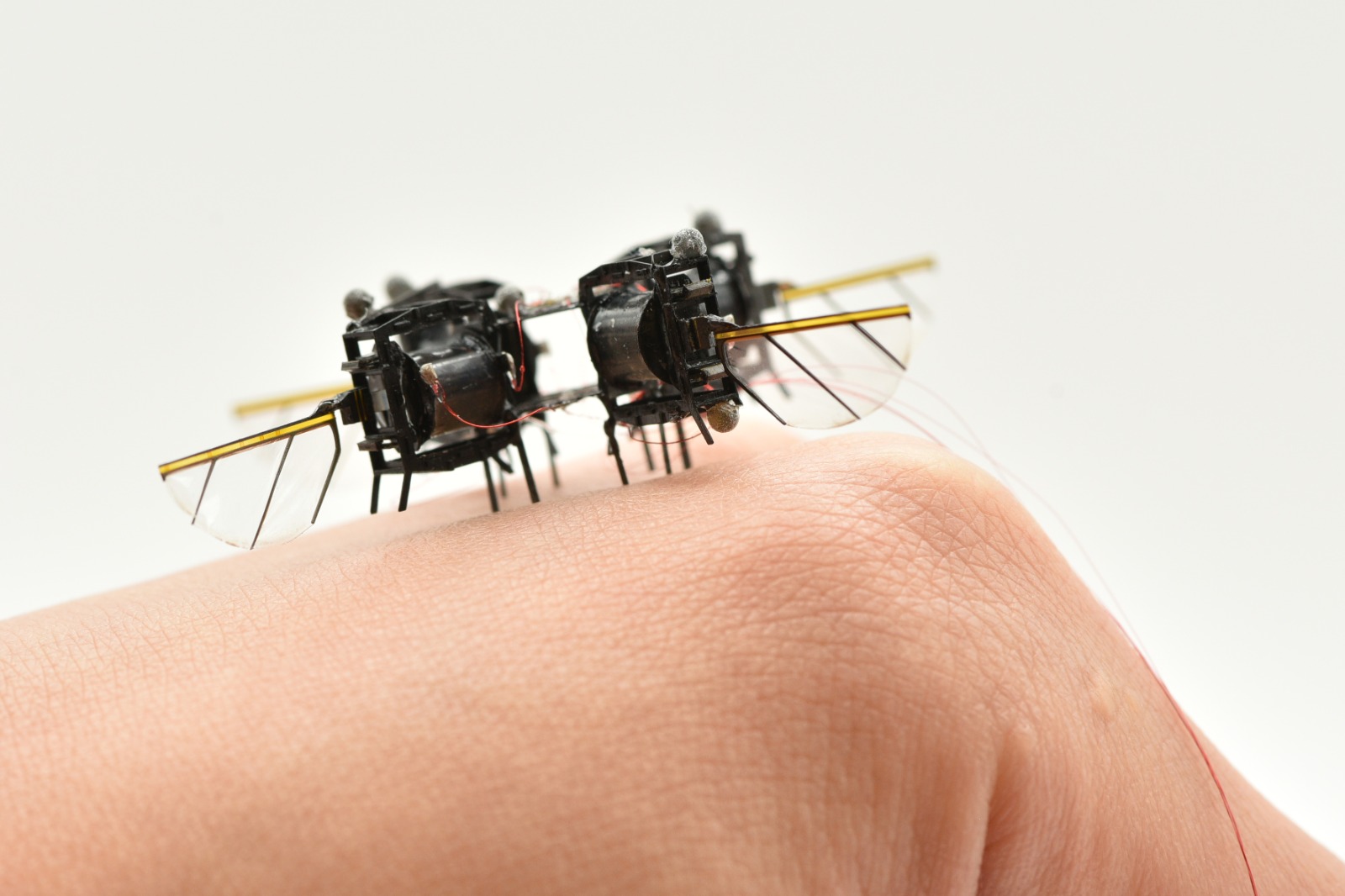
MIT Unveils Tiny Flying Robot That Can Search Through Earthquake Rubble
New Delhi : In a breakthrough that could transform disaster rescue operations, researchers at the Massachusetts Institute of Technology (MIT) have developed the world’s smallest AI-powered aerial microrobot, capable of flying like a housefly to search for survivors trapped beneath earthquake debris and other disaster wreckage.
The insect-sized flying robot has been designed to navigate through extremely narrow spaces that are inaccessible to conventional drones and quadcopters. Equipped with an AI-based flight controller, the microrobot can maintain stable flight even in challenging conditions, making it a promising tool for future search-and-rescue missions.
According to the researchers, the project took nearly five years to perfect. Compared with earlier versions, the new robot flies more than four times faster and has over twice the maneuverability, enabling it to make quick directional changes while maintaining remarkable stability.Despite weighing less than a paperclip, the robot remains highly accurate in flight. Even under strong wind conditions, it deviates by only 4–5 centimetres from its intended path, demonstrating impressive precision for a machine of its size.
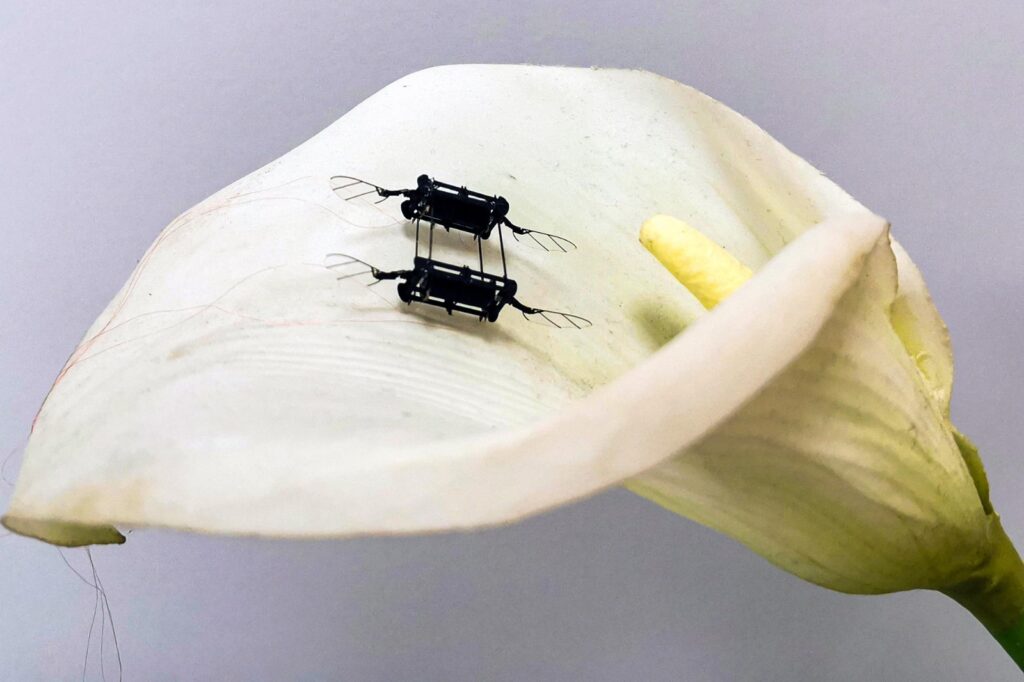
The microrobot features larger wings powered by soft artificial muscles, allowing rapid wing movements that closely mimic the flight of real insects. This innovative design enables the robot to fly swiftly while consuming minimal energy.Researchers are now working to equip the tiny robot with miniature cameras and advanced sensors, which would allow it to navigate autonomously in real-world environments. The sensors will also help multiple robots avoid collisions with each other and with surrounding obstacles.
Associate Professor Kevin Chen, who led the research, said the microrobots are intended for environments where conventional drones cannot operate. Their ability to fly through confined spaces with insect-like agility could make them invaluable for locating survivors trapped under collapsed buildings following earthquakes and other natural disasters.
The development marks a significant advancement in AI-driven robotics and has the potential to revolutionize emergency response, disaster relief, and future search-and-rescue operations around the world.