
 newspop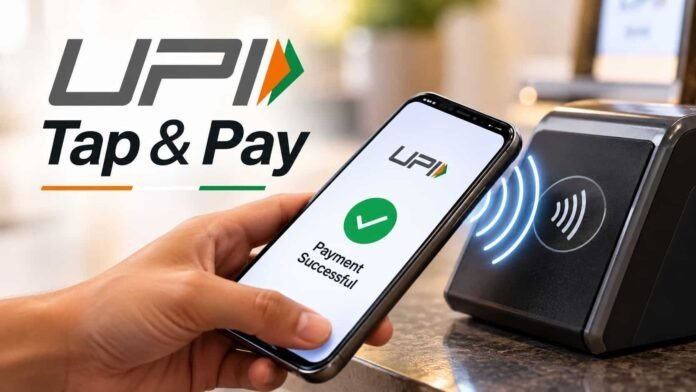
New Delhi : A major change is set to enter India’s digital payment system from October 15, 2026, and high-value UPI payments at petrol pumps are now drawing particular attention from fuel dealers. Under the revised Merchant Discount Rate (MDR) framework announced by the National Payments Corporation of India (NPCI), eligible Person-to-Merchant (P2M) UPI transactions above ₹2,000 will attract an MDR, although the charge will be borne within the merchant payment ecosystem rather than being directly imposed on consumers.
For most eligible merchant transactions above ₹2,000, the standard MDR has been fixed at 0.4%, with the charge capped at ₹300 for transactions of ₹75,000 or more. However, several specified categories, including fuel payments, will have a special concessional structure under which a flat ₹5 MDR will apply to eligible transactions above ₹2,000 instead of the standard percentage-based rate.
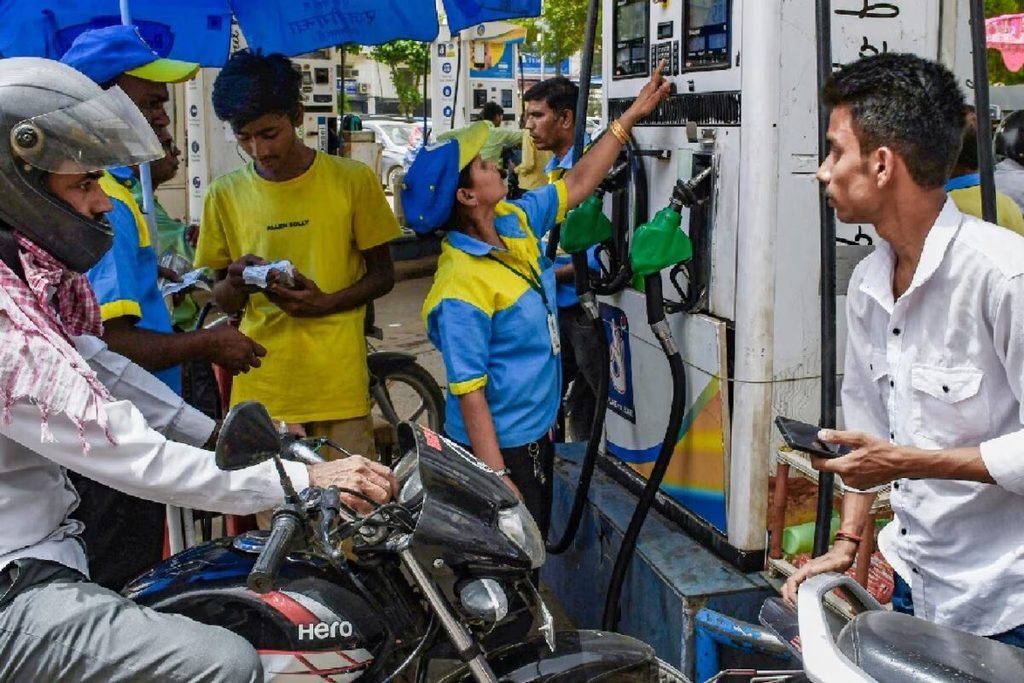
The development has attracted attention from petrol pump dealers because fuel purchases by buses, trucks, commercial vehicles and other large vehicles can involve significantly higher payment amounts in a single transaction. Dealers have raised concerns that even a fixed MDR on repeated high-value transactions could add to their operating costs, particularly in a business where margins are relatively limited.
The issue is therefore not simply about whether customers can use UPI, but about who absorbs the cost associated with large digital payments and how the new payment economics will affect fuel retailers. The concerns raised by dealers have also triggered calls for relief or a review of the applicable MDR structure for the fuel sector.
At the same time, the new framework does not mean that petrol pumps will generally stop accepting UPI payments above ₹2,000. The ₹2,000 threshold determines when MDR becomes applicable to eligible merchant transactions; it is not a maximum UPI payment limit. For fuel transactions falling under the specified category, the applicable MDR above ₹2,000 is ₹5 per transaction. Customers will continue to be able to make UPI payments, and the MDR is not supposed to appear as a separate customer-facing UPI charge.
Another important point is that UPI payments of up to ₹2,000 to merchants will continue to carry zero MDR, while person-to-person UPI transfers will remain outside the new merchant MDR framework. According to the reported framework, more than 95% of P2M UPI transactions are below the ₹2,000 threshold, meaning the majority of everyday small-value merchant payments will remain outside the new MDR regime. Eligible small merchants receiving up to ₹1 lakh per month through UPI QR payments are also protected under the small-merchant framework and will continue to receive zero MDR treatment.
For customers, this means a person buying fuel through UPI does not suddenly have to pay an additional ₹5 simply because the fuel bill crosses ₹2,000. The ₹5 figure refers to the MDR applicable within the merchant payment ecosystem for specified categories. The distinction is important because the announcement has generated confusion on social media, with some reports and posts suggesting that customers themselves would be charged or that petrol pumps would refuse large UPI payments. The current framework, however, describes the MDR as a merchant-side charge, with consumers continuing to use UPI without a customer-facing transaction fee.
The broader change represents a shift in the economics of large-value UPI merchant transactions. A ₹3,000 eligible standard merchant transaction, for example, would attract ₹12 under the 0.4% MDR structure, while a ₹50,000 transaction would attract ₹200. Once the transaction reaches ₹75,000 or more, the standard MDR is capped at ₹300. Fuel and certain other designated categories, however, receive the special flat ₹5 treatment for transactions above ₹2,000
The new framework is expected to have its biggest operational impact on merchants, banks, payment aggregators and fintech companies, which have been given time to update their systems and billing arrangements before the October 15 implementation date. The stated framework is designed to create a commercial structure for selected high-value merchant payments while continuing to keep everyday low-value UPI transactions and person-to-person transfers free.
For petrol pump dealers, however, the key question now is whether the flat ₹5 MDR on high-value fuel transactions will remain manageable or whether additional relief will be sought from the government, payment ecosystem or oil marketing companies. With large-value digital payments increasingly common at fuel stations, especially for commercial vehicles, the financial impact will depend on transaction volumes, payment patterns and how individual merchants absorb the cost.
As the October 15 deadline approaches, the focus will remain on how petrol pumps implement the new system and whether dealer associations secure any changes or concessions before the rules take effect.
In short, UPI is not being stopped at petrol pumps above ₹2,000. Instead, from October 15, eligible fuel transactions above that threshold will fall under a ₹5 flat MDR structure, while customers are expected to continue using UPI without a separate customer-facing charge. The new development is therefore primarily a change in the cost structure for merchant payments and for petrol pump dealers handling large-value transactions every day, that could become an important business issue.



 Mudasir Maqbool