 newspop
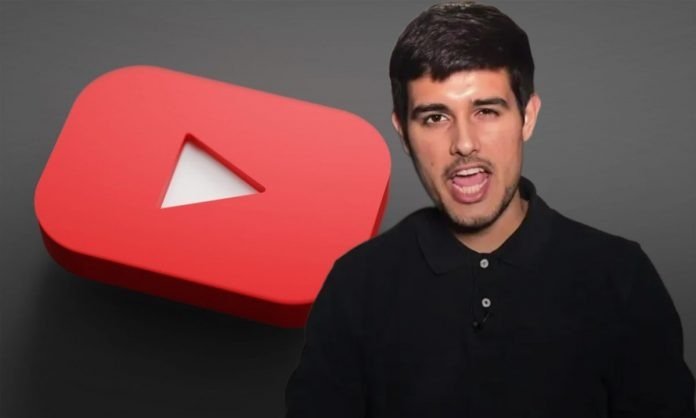
Who Is Dhruv Rathee ? The YouTuber Making Headlines Amid Delhi Protest Tensions
A smartphone, a camera, and a passion for storytelling that was where Dhruv Rathee’s digital journey began. Today, he is widely recognised for political explainers and commentary that spark conversations across India’s online landscape. But how did a travel vlogger studying in Germany become such a prominent digital personality? With reports of his alleged detention ahead of the Jantar Mantar protest drawing fresh attention, Rathee’s journey from travel videos to the centre of political debate is once again in the spotlight.
From filming travel videos on an iPhone 5s to becoming one of India’s most recognisable digital content creators, Dhruv Rathee’s journey is a story of ambition, changing interests and the growing influence of online media.
The YouTuber and social media influencer has reportedly come into the spotlight amid developments surrounding the proposed Cockroach Janta Party (CJP) and student organisations’ protest at Delhi’s Jantar Mantar on October 10. The demonstration is reportedly focused on opposing the Special Intensive Revision (SIR) of electoral rolls and demanding the resignation of Chief Election Commissioner Gyanesh Kumar.
Reports have also claimed that Rathee was detained ahead of the proposed protest, bringing renewed attention to the digital creator and his public profile. However, the precise circumstances surrounding the reported detention require independent confirmation.
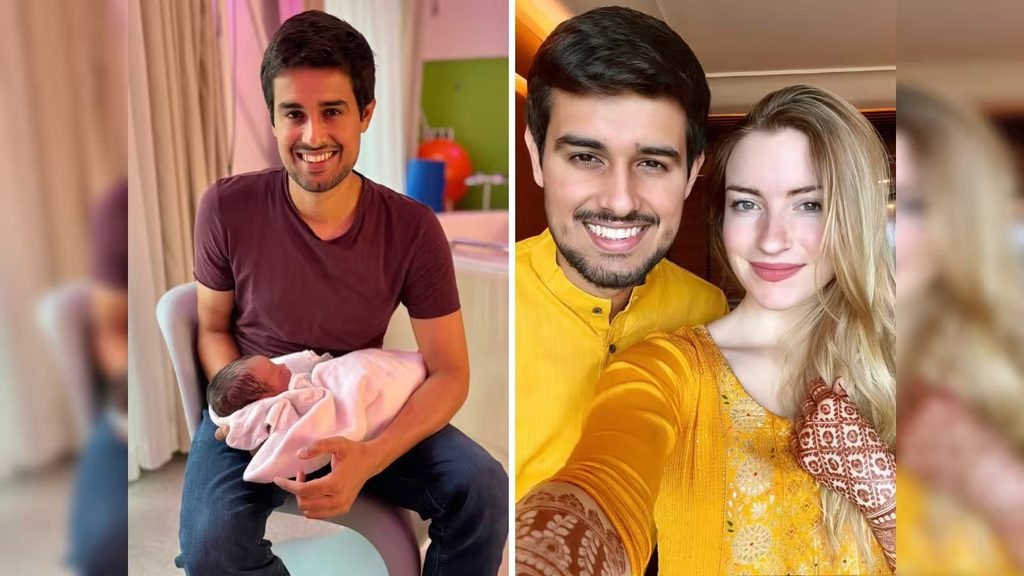
Dhruv Rathee is widely known for producing explanatory videos on politics, history, economics, environmental issues, public policy and current affairs. His distinctive presentation style combines research, visual storytelling, animation and simplified explanations to help audiences understand complex subjects.
Over the years, his content has attracted a large online following, while his commentary on political and social developments has frequently generated debate across social media platforms. For many viewers, his videos offer an accessible way to engage with public affairs; at the same time, his opinions and interpretations have also attracted criticism and disagreement, making him a prominent and sometimes controversial figure in India’s digital landscape.
Rathee began his YouTube journey in 2014, initially creating travel and lifestyle content while studying in Germany. According to accounts of his early career, he started recording videos using an iPhone 5s and handled much of the production process himself, including filming, editing and selecting subjects. At that stage, his channel focused primarily on personal experiences, travel destinations and everyday life rather than the political analysis for which he later became known. His early work gave him an opportunity to experiment with video production, presentation and storytelling while gradually developing his own style.
A significant change came as he began exploring political and social subjects. On September 16, 2016, he reportedly uploaded an early political commentary video that marked an important shift in the direction of his channel. His content increasingly moved beyond travel and lifestyle topics to examine public policy, governance, political developments and issues affecting society.
This transition helped introduce his videos to audiences interested in understanding news and public affairs through longer explanatory formats. As his subject matter evolved, so did his role from a travel vlogger documenting personal experiences to a digital commentator examining issues that often dominate public discussion.
Rathee pursued higher education in Germany at the Karlsruhe Institute of Technology (KIT). His academic background is associated with mechanical engineering and studies related to renewable energy. His time in Germany coincided with the early stages of his online career, allowing him to continue creating videos while pursuing his education. Although his professional identity eventually became closely connected with political and social commentary, his early interests and educational experiences formed part of the wider background to his development as a content creator.
His growth also reflects a broader change in the way audiences consume information. Instead of relying exclusively on traditional television debates or newspaper reports, many viewers now turn to online creators for explanations of complicated events. YouTube has become an important platform for long-form analysis, interviews, visual explainers and independent commentary.
Rathee’s career developed alongside this shift, with digital video allowing him to reach audiences across geographical boundaries and address subjects that appeal particularly to younger viewers.
As Rathee’s channel expanded, political analysis and current-affairs explainers became central to his online identity. His videos commonly use narration, graphics, animation and supporting material to break down complicated subjects into more accessible segments.
Topics have included elections, government policies, international relations, environmental concerns, economic developments and social controversies. This format has helped make him a familiar name among viewers who follow political discussions online.
His influence also demonstrates how digital creators can shape conversations beyond their own channels. Videos addressing major political developments often circulate widely across social media, prompting supporters, critics, journalists and political figures to respond. Such attention can make a creator’s platform influential, but it also places greater importance on checking sources, distinguishing established facts from interpretation and considering differing perspectives. Rathee’s work has therefore become part of the broader debate over the role of online commentary in India’s public and political life.
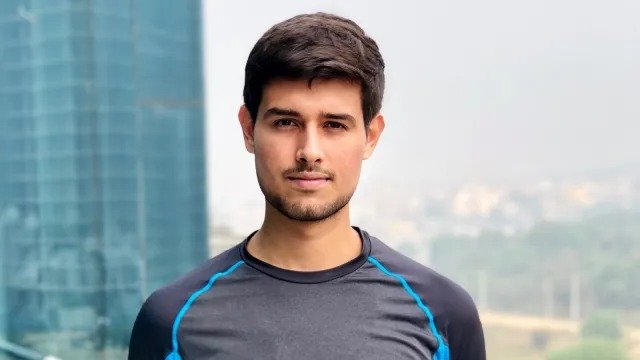
One notable milestone in Rathee’s career came in 2023, when he was included in TIME magazine’s Next Generation Leaders list. The recognition brought additional international attention to his work as a digital creator. His growing audience and focus on explanatory content helped establish him as a significant personality in the online media space.
His journey from recording travel experiences to producing videos on complex public issues illustrates how individual creators can build substantial platforms through digital storytelling.
However, public recognition has also brought scrutiny. Political commentary often involves competing interpretations of events, and Rathee’s videos have generated both support and criticism.
The response to his content reflects the highly polarised nature of many contemporary political discussions, where the same analysis may be viewed differently by audiences with different viewpoints. His career offers an example of both the opportunities and the challenges faced by creators who operate at the intersection of entertainment, information and politics.
Rathee has reportedly become a subject of renewed attention amid the proposed CJP and student-organisations protest at Jantar Mantar on October 10.
The demonstration is linked to demands concerning the Special Intensive Revision of electoral rolls and calls for Chief Election Commissioner Gyanesh Kumar’s resignation. Reports of Rathee’s alleged detention ahead of the event have prompted discussion among social media users and brought his name into the wider conversation surrounding the protest. The circumstances and legal details of the reported incident should be established through reliable, independently verified information before definitive conclusions are drawn.
The wider episode highlights the growing intersection between digital influence, political activism and public debate. Online creators can amplify discussions, draw attention to issues and mobilise audiences, but reports concerning police action or detention must be assessed carefully and in context.
As developments surrounding the Jantar Mantar protest continue to attract attention, Rathee’s journey from a young creator making travel videos in Germany to a prominent voice in digital commentary offers a lens through which to examine the changing role of online media in India.



 Mudasir Maqbool