
 newspop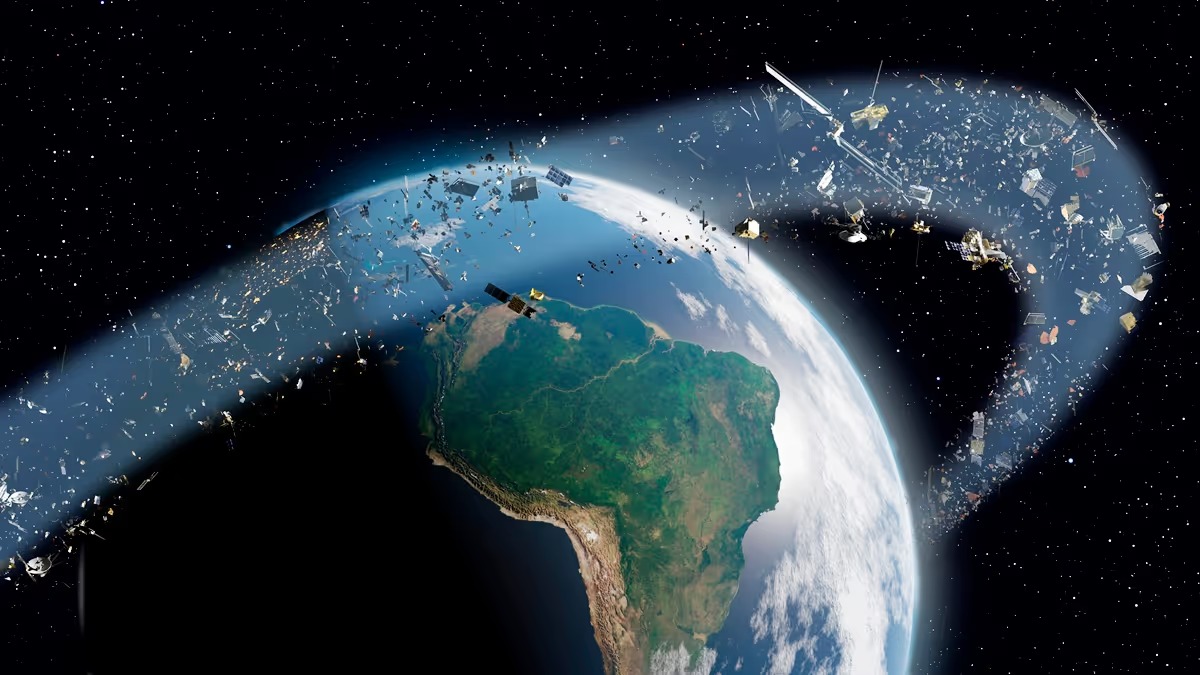
The Invisible Threat Above Earth That Could Disrupt GPS, Internet and More
While the world focuses on dangers on Earth, a silent threat is growing far above our heads in space. Thousands of tons of human-made space debris are orbiting the planet, creating a dangerous environment for satellites and future space missions.
Scientists warn that if this invisible junk collides with critical satellites, essential services like GPS navigation, internet connectivity, mobile networks, and weather forecasting systems could face major disruptions.
Space debris includes abandoned satellites, discarded rocket stages, and broken fragments of spacecraft travelling at extremely high speeds around Earth’s orbit.
Even a small piece of debris can cause severe damage when it strikes a satellite, potentially affecting global communication, navigation, and scientific operations.One of the biggest concerns among scientists is the “Kessler Syndrome”, a theory proposed by NASA scientist Donald Kessler in 1978.
According to this concept, a rise in space debris could trigger a chain reaction where collisions create even more fragments, making Earth’s orbit increasingly hazardous and limiting future satellite launches.
The impact of space debris could extend far beyond space technology. Damage to navigation satellites may affect GPS services, while failures of communication satellites could disrupt internet, television broadcasting, and mobile connectivity.
Weather satellites could also be affected, reducing the accuracy of cyclone tracking and disaster predictions.
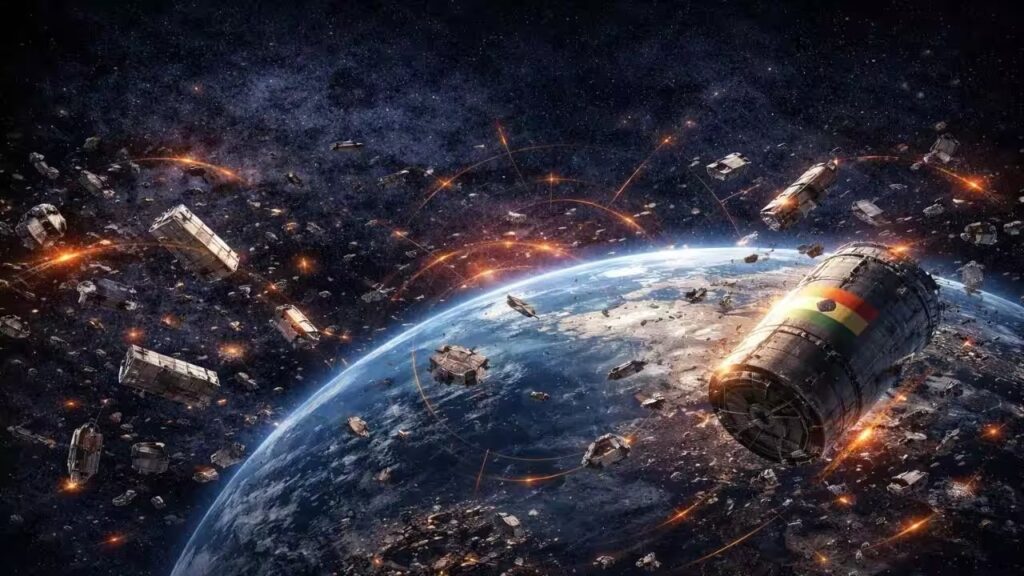
Scientists have also warned that some space debris is re-entering Earth’s atmosphere, creating risks of falling debris reaching populated areas and aviation routes.
Recent discoveries of large rocket parts and space equipment fragments in places such as Australia and Kenya have highlighted the growing challenge.
According to estimates, more than 13,000 tonnes of human-made debris are currently circling Earth. While over 30,000 objects larger than 10 centimetres are being tracked, millions of smaller fragments remain difficult to detect and pose a serious threat due to their unpredictable movement.
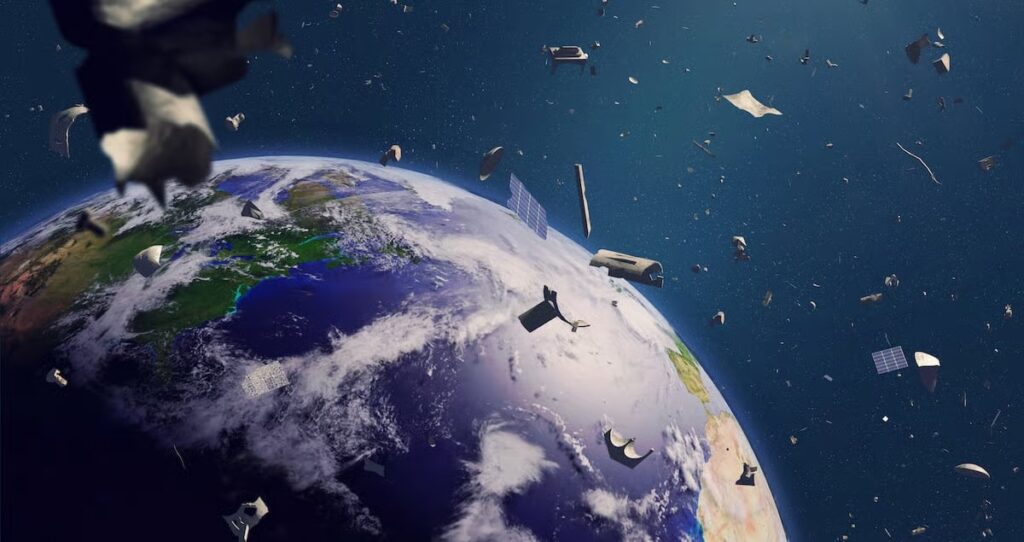
The growing space debris problem is no longer just a concern for scientists—it is becoming a global challenge that could affect everyday life, digital connectivity, and humanity’s future in space.
Without timely action to manage and remove this orbital waste, the invisible danger above Earth could become a major crisis for generations to come.