
 newspop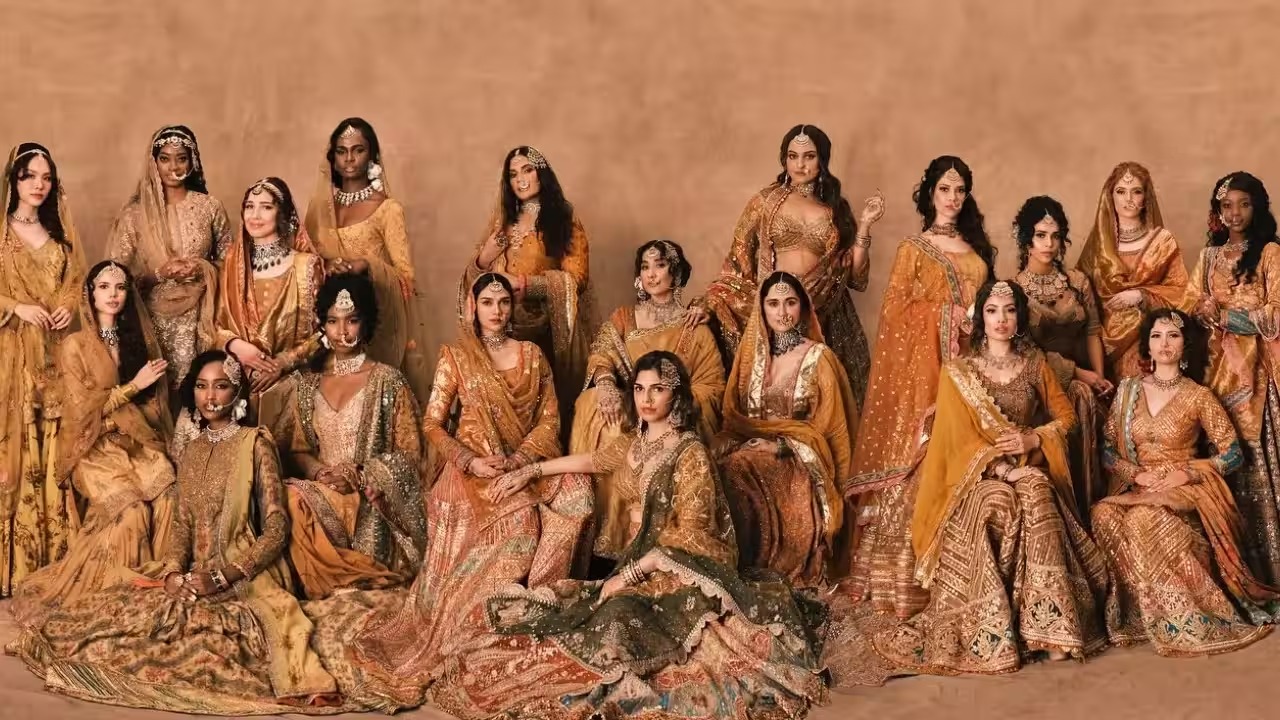
Lahore’s Heera Mandi : Where Music, Beauty and Mystery Meet a Controversial Past
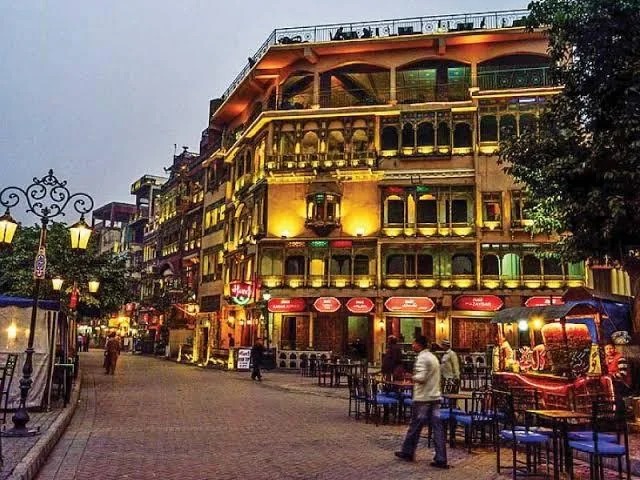
SPECIAL STORY– Lahore: As the sun sets over Lahore, an extraordinary transformation begins. Glittering lights illuminate centuries-old balconies, soulful music drifts through narrow lanes, and elegantly dressed women step into view, turning the streets into a spectacle of colour and mystery. To some, it is a place of fascination; to others, a symbol of controversy.
Welcome to Heera Mandi once the heart of Mughal culture, poetry, music, and dance, but today known across the world as Pakistan’s most infamous red-light district. Behind its dazzling nightlife lies a remarkable story of royal heritage, colonial influence, social change, and a timeless struggle between culture and survival.
As dusk settles over the historic city of Lahore, the narrow lanes of Heera Mandi come alive with dazzling lights, colourful balconies, and echoes of music. Women dressed in shimmering silk outfits, adorned with jewellery and traditional makeup, appear on ornate balconies as visitors begin to fill the streets.
For many, it is a place associated with mystery and controversy. Today, Heera Mandi is widely known as one of Pakistan’s most famous red-light districts, but its origins tell a far more complex story rooted in art, culture, and history. Located in Lahore’s historic Shahi Mohalla (Royal Quarter), Heera Mandi was once a celebrated centre of classical music, poetry, dance, and Urdu literature during the Mughal era.
The neighbourhood flourished under royal patronage, where highly trained performers known as tawaifs entertained nobles with refined artistic performances rather than the image commonly associated with the area today. Young women were educated in poetry, classical singing, etiquette, and dance, while wealthy families often sent their sons there to learn manners, literature, and the arts. The character of Heera Mandi changed dramatically during the British colonial period.
Historians note that with the arrival of British troops, the area’s traditional cultural identity gradually declined as it increasingly became associated with prostitution and commercial sex work. Over time, the neighbourhood earned a reputation as Lahore’s most notorious red-light district, overshadowing its rich artistic heritage. Even after the Partition of India and the creation of Pakistan in 1947, Heera Mandi continued to exist, attracting visitors from across the country.
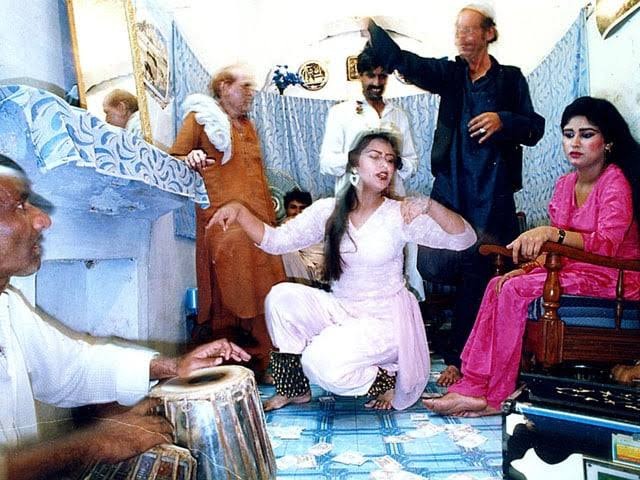
While some establishments continued to preserve elements of mujra, a traditional dance performance, many others became linked to the commercial sex trade.
The neighbourhood remained one of Lahore’s most talked-about yet controversial destinations. In recent years, however, technology has transformed the area once again. The rise of mobile phones, the internet, social media platforms, and messaging applications has significantly altered how the sex trade operates. Instead of relying solely on physical locations like Heera Mandi, many transactions reportedly shifted online through digital communication, reducing footfall in the historic district.
At the same time, traditional mujra performances have declined as audiences increasingly consume entertainment through digital platforms. Today, Heera Mandi stands as a place of striking contrasts where magnificent Mughal-era architecture and centuries-old cultural traditions coexist with a controversial legacy.
For historians, it remains an important symbol of South Asia’s artistic past, while for others it represents the social and economic transformations that reshaped one of Lahore’s most iconic neighbourhoods over the centuries.