 newspop
1.4 Billion Kilometres Away : The Space Fuel Treasure We Cannot Collect
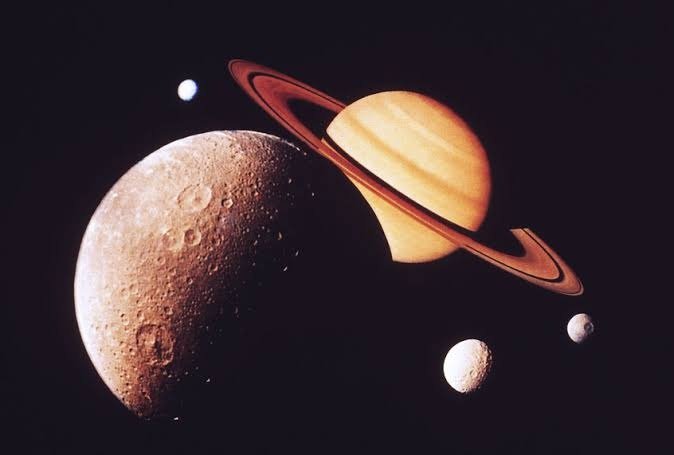
Imagine a world with enormous lakes of liquid hydrocarbons, where fuel-like substances are found in quantities that could dwarf Earth’s known oil and gas reserves. Such a world exists in our own solar system. It is Titan, Saturn’s largest moon, a fascinating celestial body that has captured the attention of scientists because of its vast reserves of methane and other hydrocarbons.
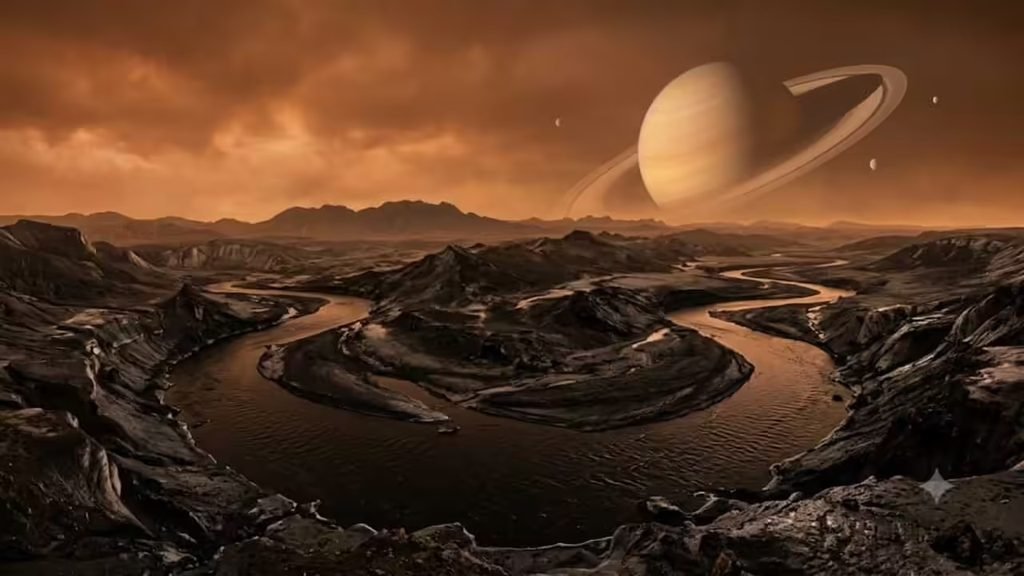
Data collected by NASA’s Cassini spacecraft suggest that Titan may contain hundreds of times more hydrocarbon resources than all of Earth’s known oil and natural gas reserves combined. But this raises an intriguing question, if Titan has so much fuel, why can’t humans bring it back to Earth and use it to meet our energy needs.
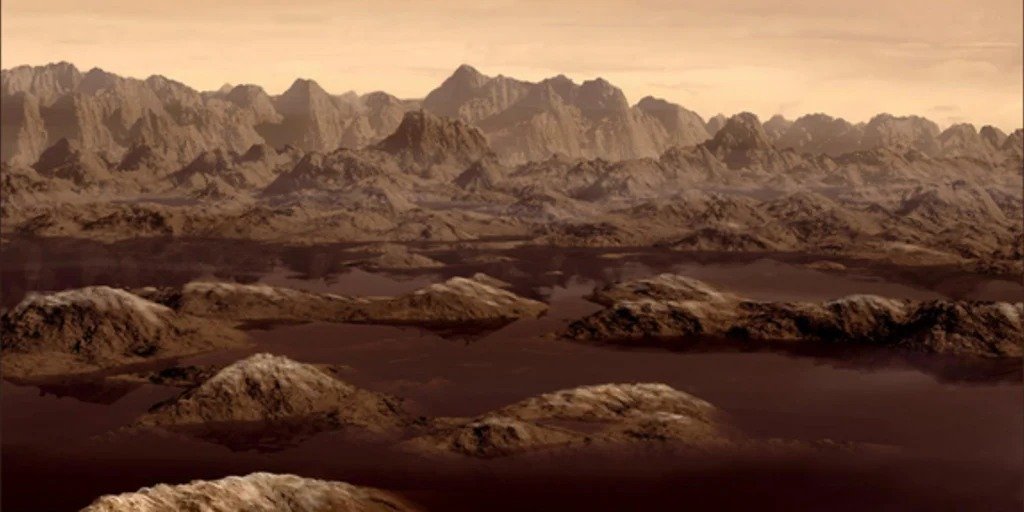
The answer lies in the enormous distance, extraordinary costs and technical challenges involved in such a mission. Titan is located approximately 1.4 billion kilometres from Earth, making it an incredibly distant destination. Reaching the moon, extracting its resources and transporting them back would require a spacecraft capable of surviving a journey lasting many years.
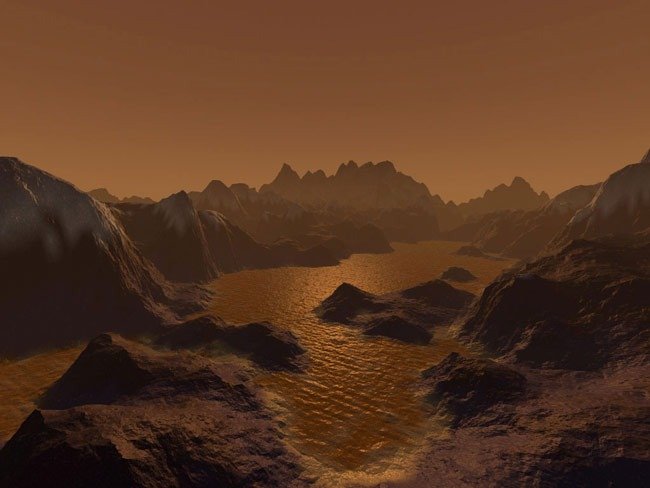
Depending on the mission design and technology used, a round trip could take well over a decade. Such an ambitious mission would demand advanced spacecraft, powerful propulsion systems, reliable equipment and the ability to operate in the harsh conditions of deep space.
The financial challenge would be equally enormous. Building and launching a spacecraft, landing on Titan, extracting hydrocarbons, storing them safely and transporting a heavy cargo back to Earth could cost far more than the fuel itself would ever be worth.
Another major obstacle is the problem of carrying a massive payload. A spacecraft transporting large quantities of fuel would need additional energy to accelerate, travel through space and return safely. The heavier the cargo, the more propulsion capacity and fuel the spacecraft would require, creating a difficult cycle in which carrying more fuel demands even more energy.
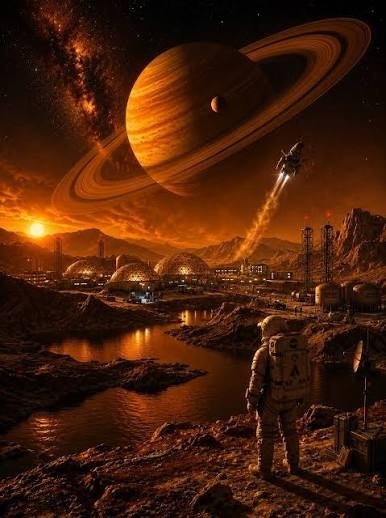
Titan’s extremely cold environment and atmospheric conditions would also make extraction and storage a complex engineering task. There is another important scientific detail: Titan’s atmosphere is rich in nitrogen and contains methane, but it does not have the abundant free oxygen needed to burn methane in the way fuel is burned on Earth.
Methane can release energy when it reacts with an oxidiser such as oxygen. Therefore, bringing methane back from Titan would not automatically make it ready for use; an adequate oxygen supply would still be required for combustion. Despite these challenges, Titan’s hydrocarbon reserves could one day prove useful not necessarily as a fuel source for Earth, but as a resource for future space exploration.
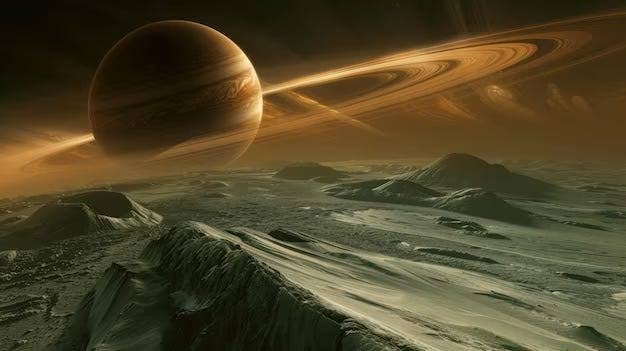
Scientists and space engineers have explored the broader possibility of using resources found on other worlds to support long-duration missions. If future technology makes it possible to extract and process methane on Titan, it could potentially help supply fuel for spacecraft operating in the outer solar system, provided the necessary oxygen or another suitable oxidiser is also available.
In that sense, Titan could one day serve as a kind of natural space fuel station, supporting missions travelling deeper into space. For now, however, this remains a future possibility rather than an established plan. Titan’s enormous hydrocarbon reserves may sound like an energy treasure waiting to be collected, but the reality is far more complicated. The biggest challenge is not finding fuel on this distant moon it is developing a practical, affordable and technologically feasible way to use it.