 newspop
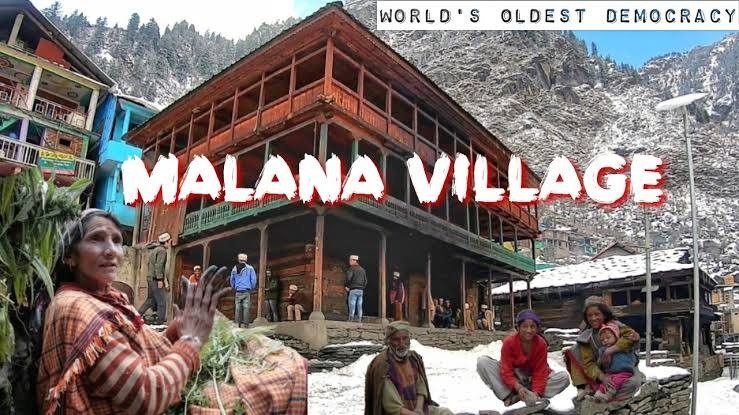
No King, Yet Its Own Rules ! The Mysterious World of Malana Village
SPECIAL STORY: Deep in the mountains of Himachal Pradesh lies a village that looks like it belongs to another era a place where ancient customs, community institutions and religious traditions continue to shape everyday life. Located in the remote Parvati Valley region of Kullu district, Malana is famous for its distinctive social structure and centuries-old traditions of community self-governance. Often described in popular accounts as one of the world’s oldest surviving democratic communities, the village has traditionally maintained its own internal system for settling disputes, taking collective decisions and regulating community affairs.
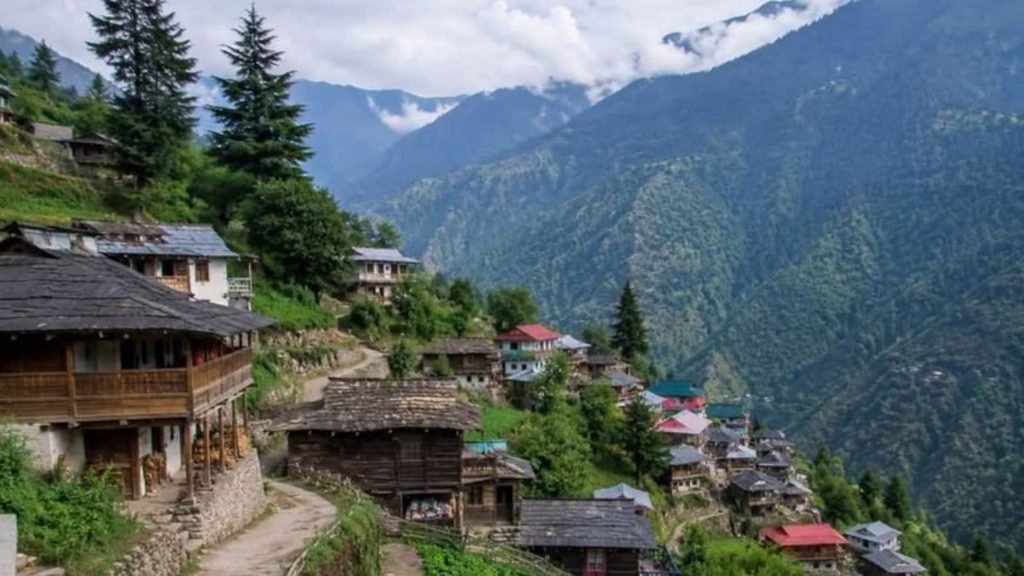
At the heart of Malana’s traditional system is Jamlu Devta, the village’s principal deity. Residents traditionally regard Jamlu as the highest spiritual authority, and important disputes or difficult community matters may ultimately be referred to the deity through established religious customs and rituals. Malana’s traditional village council is generally described as having two levels, with elders and representatives playing important roles in discussing community matters.
This distinctive system has continued alongside India’s modern constitutional framework, but it is important to clarify that Malana is not legally outside India or exempt from Indian law. The village is part of Himachal Pradesh and remains subject to the Constitution and laws of India; its traditional institutions primarily govern customary and internal community matters.
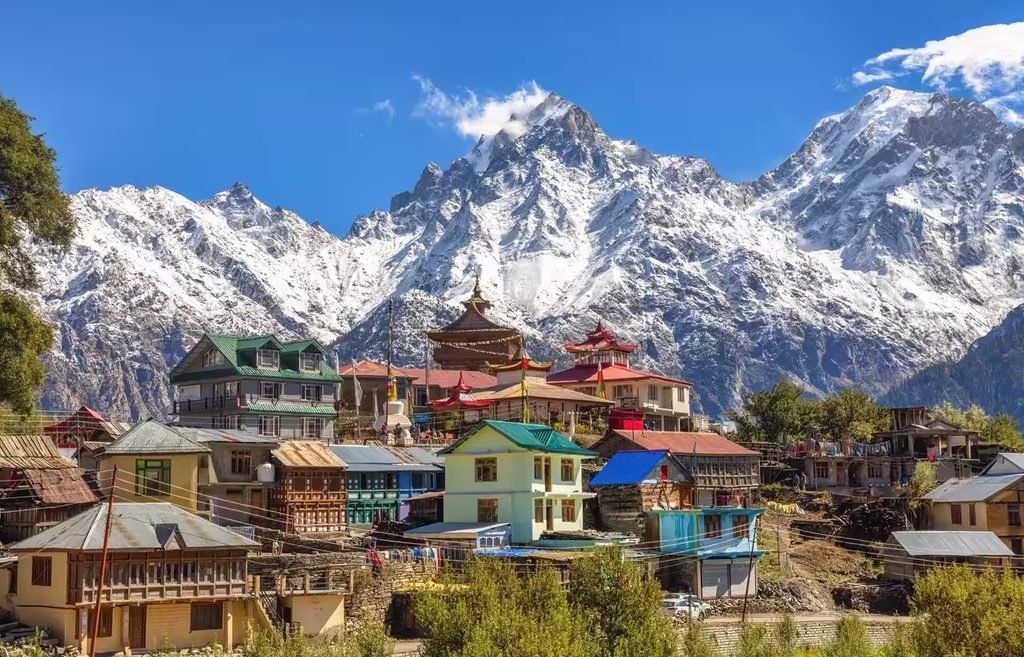
What makes Malana particularly fascinating is the way its old traditions coexist with the modern world. The village has historically maintained a strong cultural identity and a degree of social separation from surrounding communities.
Residents are popularly associated with the belief that they descend from Alexander the Great’s soldiers, although historians have disputed or questioned this claim and there is no conclusive evidence establishing such ancestry. Nevertheless, the belief forms part of the village’s distinctive cultural narrative and contributes to its reputation as one of the most unusual settlements in the Himalayas.
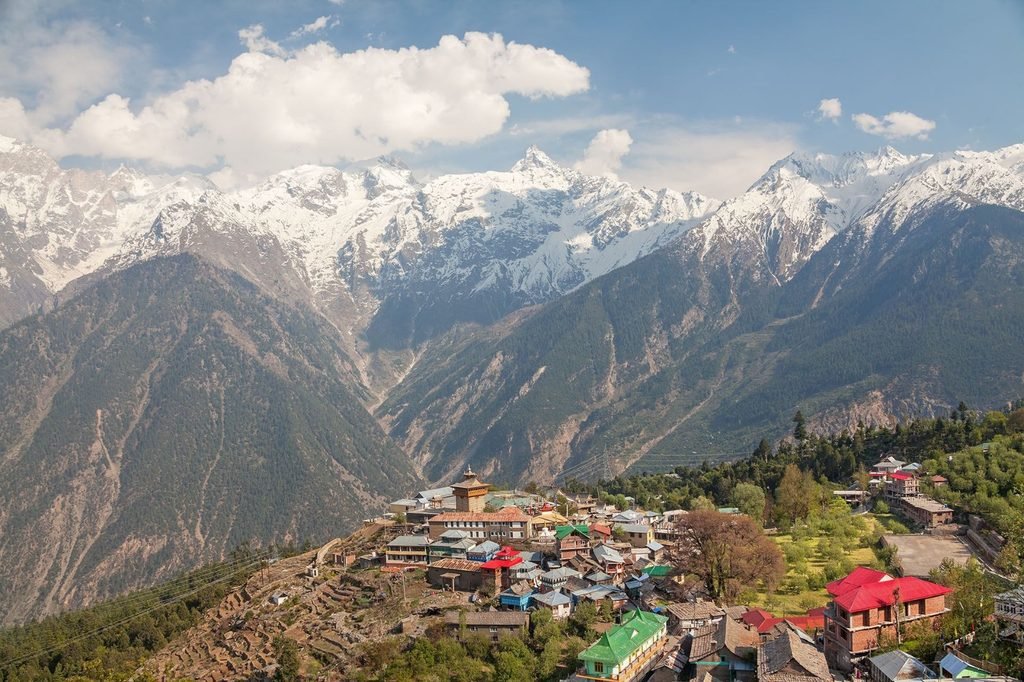
Malana is also known for strict customs concerning visitors. Tourists are expected to respect local traditions, and visitors have historically been discouraged or prohibited from directly touching houses, walls, temples and other village property. Reports have described fines being imposed for violations of certain community rules, although the exact rules and penalties can vary and visitors should follow current instructions issued by local authorities and residents.
The village has also traditionally followed unusual practices for commercial transactions, with money and purchased goods sometimes being placed on the ground rather than exchanged directly from hand to hand.
Another feature frequently associated with Malana is its restrictions on overnight stays by outsiders within the traditional village settlement. Visitors have historically been expected to stay outside the village or in designated areas rather than spending the night inside the main settlement. These practices reflect the community’s long-standing efforts to preserve its cultural identity and traditional way of life while dealing with increasing interest from tourists and outsiders.
Despite its remote location and distinctive customs, Malana is not a separate kingdom or an independent republic in the legal sense. The popular description of the village as a “kingdom” or “independent village” refers largely to its traditional social and governance structure rather than its constitutional status. Modern Indian administrative and legal institutions continue to have jurisdiction over the area.
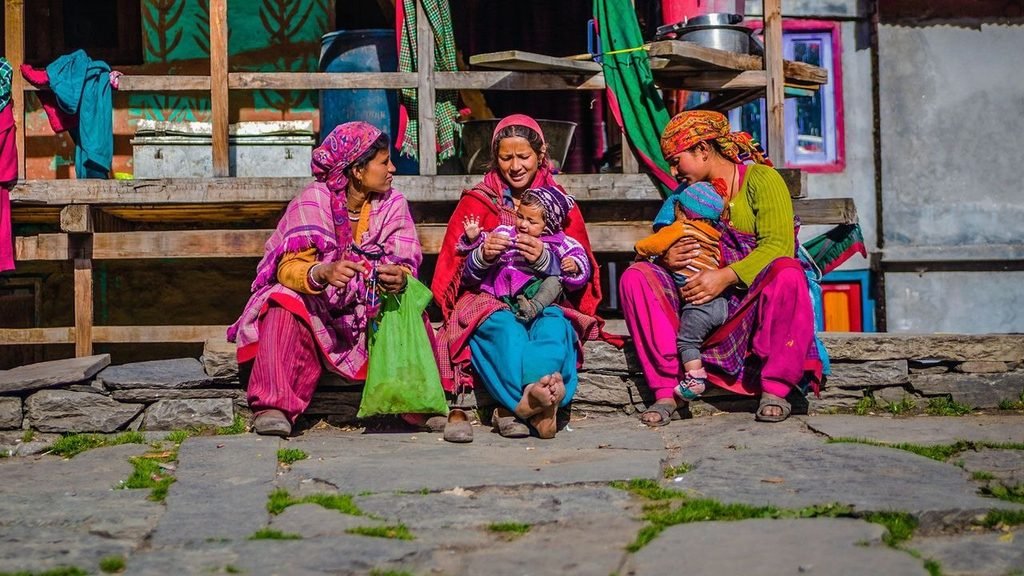
Today, Malana stands at a fascinating intersection of ancient tradition and modern India. Its remote Himalayan landscape, distinctive community institutions, religious customs and strict social traditions have made it a subject of curiosity for travellers, historians and researchers.
Yet the village is more than a mysterious tourist destination it represents a living example of how an isolated community can preserve elements of an old social system while existing within a modern democratic nation. High in the Himalayas, Malana continues to tell a remarkable story of identity, tradition, faith and community where centuries-old customs still have a powerful place in everyday life.