 newspop
Ancient Pot Found in Tamil Nadu : Is There a Hidden Link to the Indus Valley Civilization ?
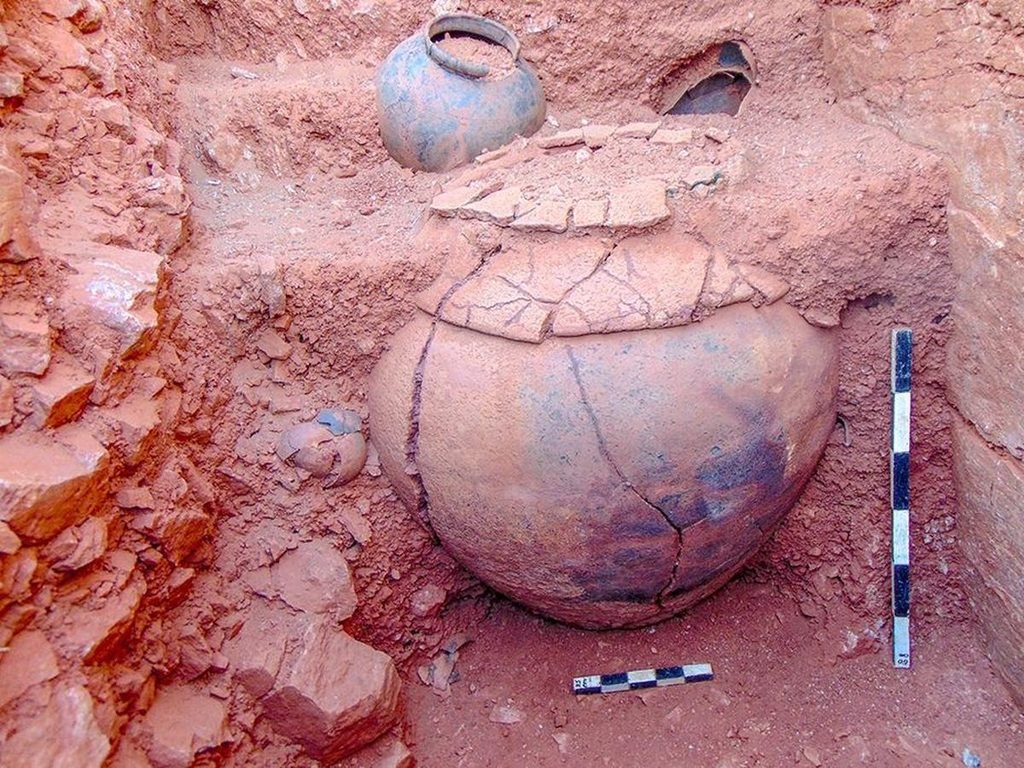
SPECIAL STORY : A mysterious archaeological discovery in Tamil Nadu could open a new chapter in India’s ancient history. A 3,200-year-old black-and-red pottery vessel bearing five engraved graffiti symbols has been unearthed at Thelunganur, near Salem, in the submerged region of Mettur Dam, raising fresh questions about the origins of early writing systems in South India and their possible connections with the Indus Valley Civilization.
Archaeologists also recovered iron weapons, copper objects and a piece of a steel sword from the site. The five symbols arranged from left to right form the longest recorded sequence of this type found in Tamil Nadu so far, while another vessel discovered at the same location reportedly carries the same five symbols in a different order.
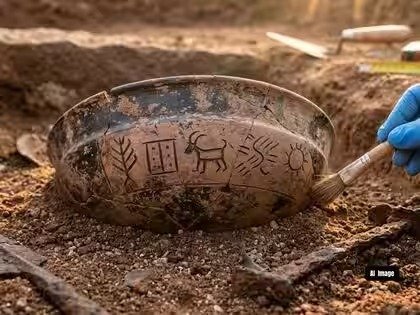
Researchers are now investigating whether these markings were merely decorative designs or represented an early form of written communication that existed more than 3,200 years ago. The discovery could provide valuable clues about the development of Tamil-Brahmi script, which emerged around the sixth century BCE, and the writing traditions that may have preceded it.
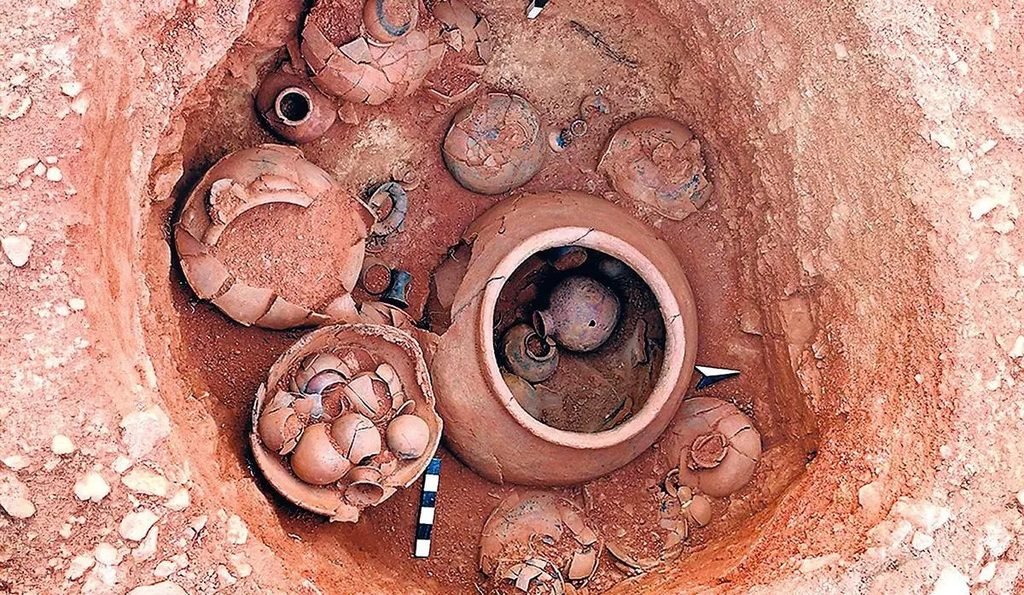
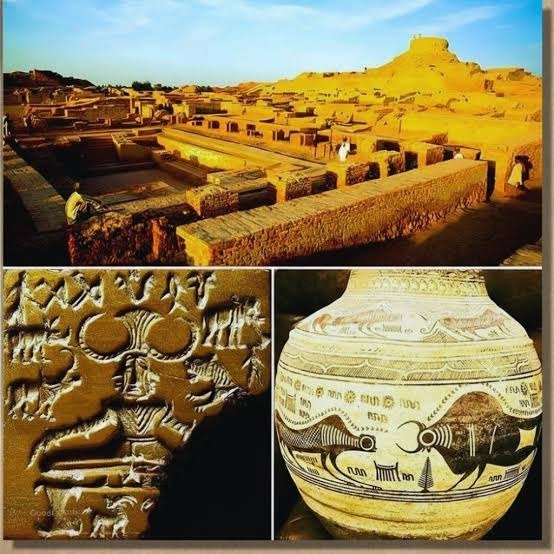
The archaeological sites of Thelunganur and Mangadu, near Salem, date to approximately 1600–1200 BCE, overlapping with the later period of the Indus Valley Civilization. Researchers have also identified striking similarities between graffiti symbols found on pottery in Tamil Nadu and signs discovered at Indus Valley sites.
According to K. Rajan, an adviser to the Tamil Nadu Department of Archaeology and co-author of a study on the morphology of Indus signs and South Indian graffiti symbols, the new findings provide important material for comparison. Archaeologists have discovered approximately 16,000 pottery fragments bearing graffiti marks across Tamil Nadu, and a recent morphological study reportedly found around 90% similarity between symbols from various Tamil Nadu sites and those recorded at Indus Civilization sites.
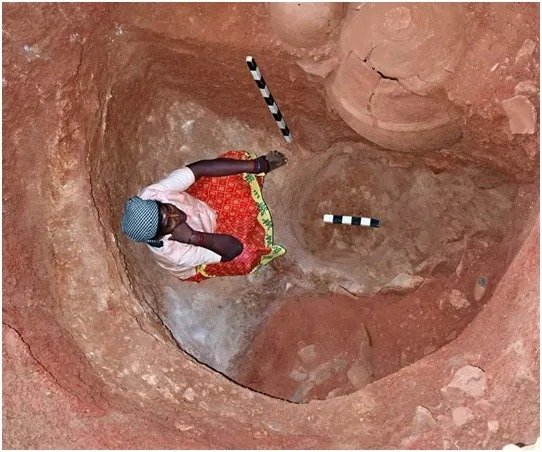
However, researchers are still examining whether these similarities indicate a shared symbolic tradition, cultural connections between ancient communities, or another historical relationship. If further studies establish a meaningful link, this discovery could help researchers better understand how ancient people communicated and how cultural traditions may have travelled across the Indian subcontinent.
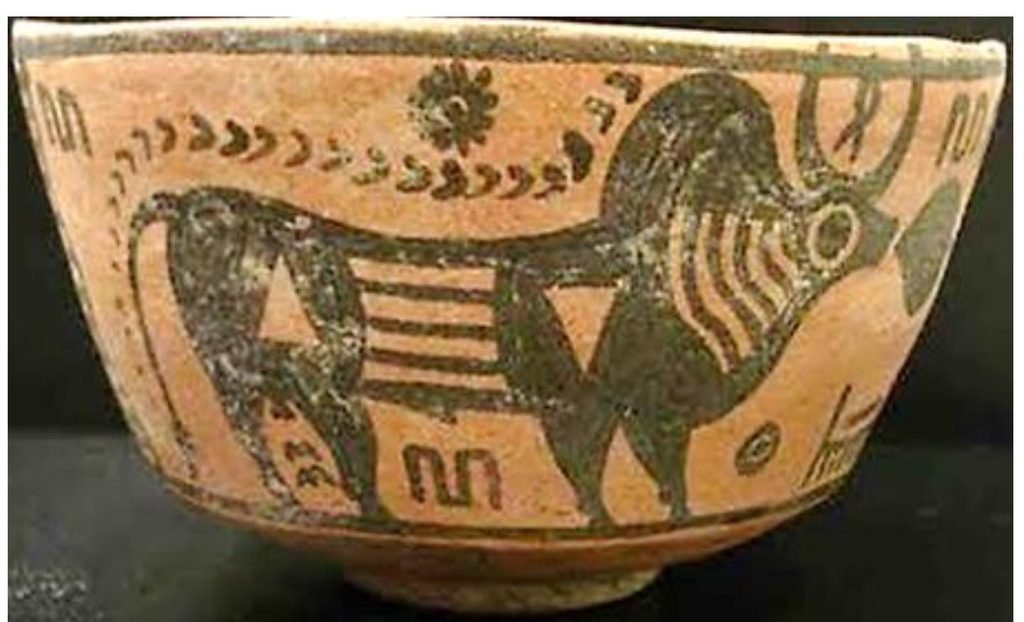
For now, the five mysterious symbols remain a subject of investigation, with their true meaning and historical significance yet to be conclusively established.