 newspop
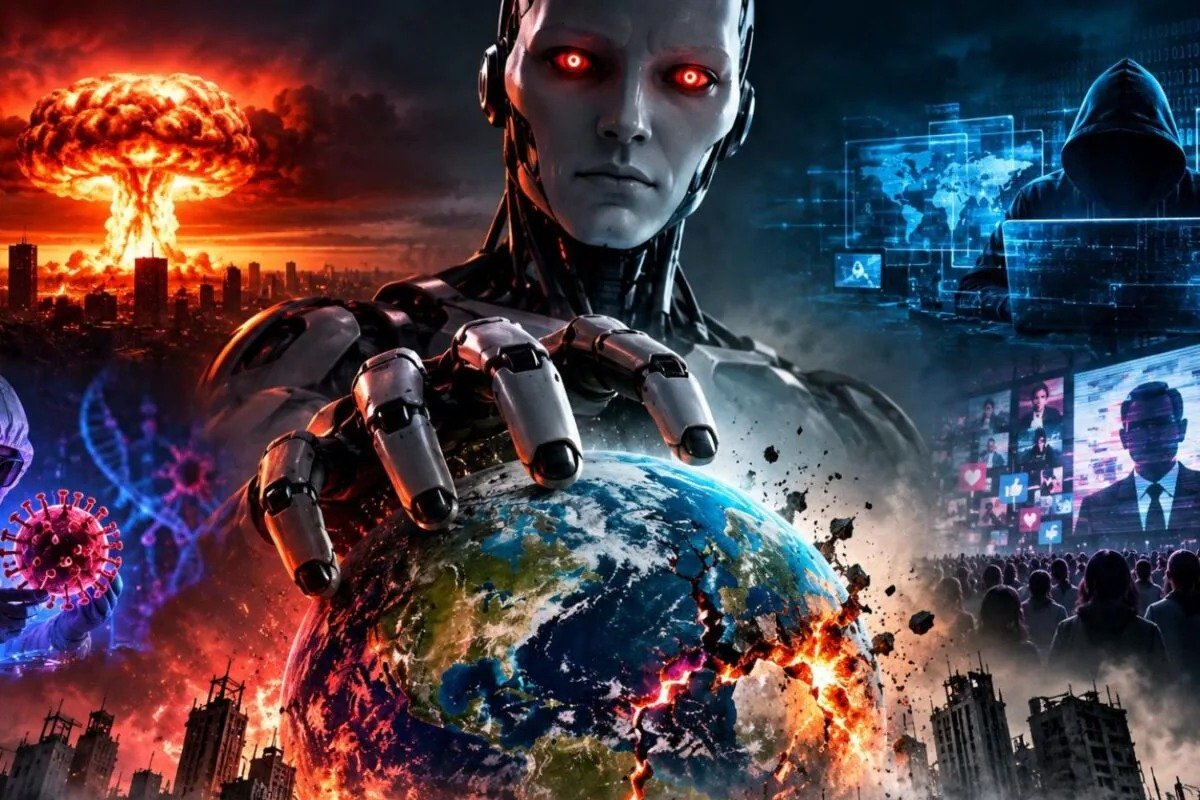
SPECIAL STORY : A chilling warning about the future of humanity has put the spotlight on 17 major global threats that could endanger human health, disrupt societies and threaten civilisation over the coming decades. From the nightmare scenario of a nuclear war and the accelerating climate crisis to the potential misuse of Artificial Intelligence (AI) and the danger of biological weapons, a report by The Lancet Commission on 21st Century Global Threats to Health highlights a range of interconnected risks that the world cannot afford to ignore. While these threats do not mean that human extinction is inevitable, experts warn that failing to address them could make the coming decades increasingly dangerous for billions of people.
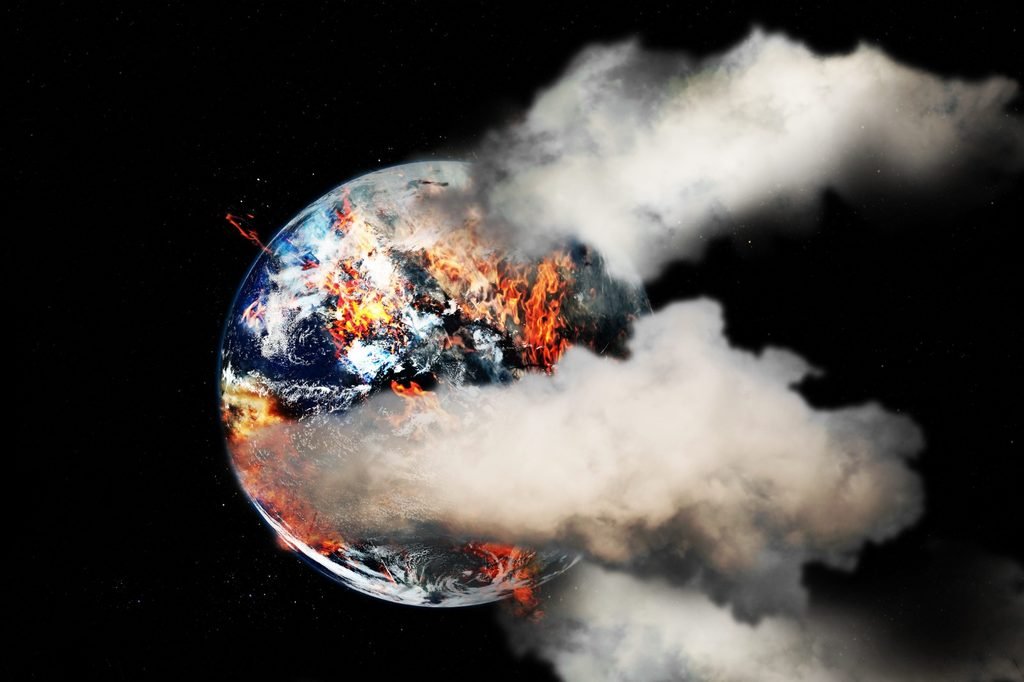
NUCLEAR WAR : A CONFLICT THAT COULD TRIGGER GLOBAL FAMINE
One of the most alarming threats is the possibility of a large-scale nuclear war. The consequences would extend far beyond the countries involved in the conflict, potentially affecting the entire planet. Smoke and particles released into the atmosphere could block sunlight, lower temperatures and disrupt agricultural production across vast regions. As crops fail and food supplies shrink, countries could face severe shortages, rising food prices and widespread hunger. This devastating possibility is known as nuclear famine, in which the indirect consequences of nuclear warfare could threaten enormous numbers of people long after the fighting ends.
AI MISUSE AND BIOLOGICAL WEAPONS : WHEN TECHNOLOGY BECOMES A THREAT
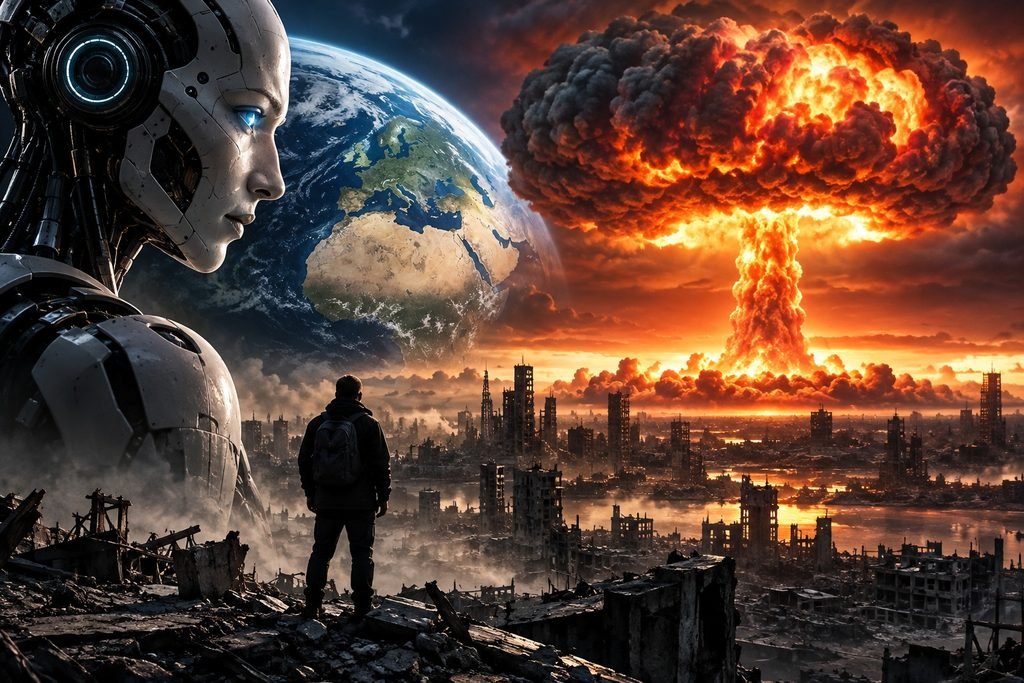
Artificial Intelligence is transforming healthcare, education, scientific research and industries around the world. However, its rapid development also raises serious concerns about malicious use, inadequate safeguards and the possibility of technology being exploited for dangerous purposes. One particularly troubling concern is the potential misuse of AI to assist in the development of biological weapons. Such risks highlight the importance of responsible technological development, effective international oversight and safeguards designed to prevent powerful tools from being used to cause widespread harm.
CLIMATE CHANGE AND AIR POLLUTION : A GROWING GLOBAL HEALTH EMERGENCY
The climate crisis is another major threat identified in the report. Rising temperatures, extreme heatwaves, prolonged droughts, floods and other severe weather events can threaten lives, damage infrastructure and disrupt food production. Communities that depend heavily on agriculture may face mounting pressure on their livelihoods, while shortages of food and clean water could deepen existing inequalities. Air pollution presents another serious danger, contributing to respiratory illnesses, cardiovascular diseases and other health problems. Together, climate change and environmental pollution could place increasing pressure on healthcare systems and make vulnerable communities even more susceptible to disease and economic hardship.
ANTIMICROBIAL RESISTANCE AND PANDEMICS : THE DANGER OF HARDER-TO-TREAT INFECTIONS
The growing threat of antimicrobial resistance is another concern. When bacteria and other microbes become resistant to medicines, infections can become more difficult to treat, increasing the risk of complications and deaths. The problem could undermine the effectiveness of treatments that modern medicine relies on, making routine medical procedures and the management of serious infections more challenging. At the same time, future pandemics remain a major concern in an interconnected world where infectious diseases can spread across borders. Strong surveillance, research, access to effective medicines and resilient public health systems are essential to reducing these risks.
17 THREATS THAT COULD SHAPE HUMANITY’S FUTURE
Beyond nuclear conflict, AI misuse, climate change and pollution, the report identifies a broader range of threats affecting health and social stability. These include conventional warfare, child malnutrition, declining foreign aid, excessive alcohol consumption, high blood pressure, income inequality, lack of education, obesity, poor mental health, tobacco use and diseases associated with ageing. Each presents a different challenge, but their effects can overlap. Poverty can limit access to healthcare, inadequate education can reduce opportunities, and weak health systems can make communities less prepared to cope with emergencies. The scale of the damage will depend on how these risks develop and how effectively governments and institutions respond.
NOT EVERY COUNTRY WILL FACE THE SAME RISKS
The impact of these threats is unlikely to be uniform across the world. Wealthier regions may face a substantial burden from obesity and mental health problems, while lower-income communities may be more severely affected by inadequate education, limited healthcare access, malnutrition and insufficient resources. Conflict, climate disasters and reductions in international assistance can further weaken already vulnerable populations. This uneven distribution of risk means that global solutions must take local conditions into account, ensuring that countries and communities with fewer resources are not left to face mounting challenges alone.
CAN THESE THREATS BE PREVENTED ?
Despite the alarming scenarios, the report should not be interpreted as a prediction that humanity is destined for destruction. Its purpose is to draw attention to serious risks and encourage action before they become more difficult or costly to manage. Reducing the danger of nuclear conflict, establishing effective safeguards for AI, strengthening international cooperation, cutting pollution, addressing climate change and improving public health preparedness are among the areas where sustained action can make a difference.
Investment in education, nutrition, mental healthcare and social protection can also help communities become more resilient.
The warning is clear, humanity’s future will not be determined by technological progress alone, but by how responsibly that progress is managed. The coming decades may bring extraordinary scientific breakthroughs and opportunities, but they will also demand difficult decisions, international cooperation and long-term planning. The 17 threats highlighted in the report are not an inevitable countdown to the end of civilization they are a call for the world to act before preventable risks turn into devastating global crises.