

 newspop
SPECIAL STORY : Believe It or Not, These Cities and Islands Have Officially Banned Death
Imagine a place where people are not allowed to be born or die. Birth and death are the two inevitable truths of life. No matter how wealthy, powerful or influential a person may be, death is a reality that cannot be escaped.
Across the world, different cultures and religions follow their own traditions and rituals for the final farewell. However, it may come as a surprise that there are a few places where death has, at one time or another, been officially prohibited through local regulations or symbolic ordinances. While these laws cannot literally prevent someone from dying, they were introduced because of unique religious beliefs, environmental conditions or practical challenges.
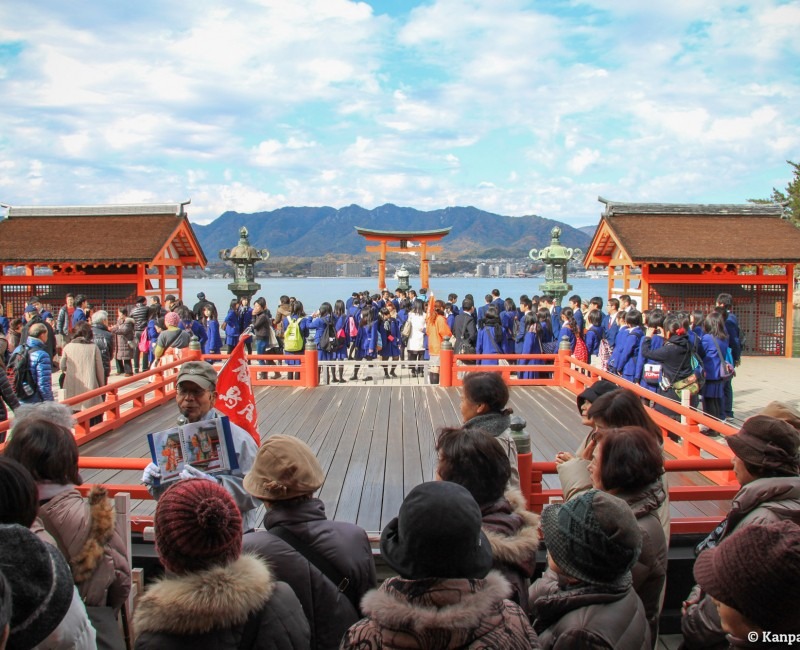
It may sound unbelievable, but Itsukushima Island in Japan is one of the world’s most fascinating places, where for centuries strict customs were followed to preserve the island’s spiritual purity. Home to the world-famous Itsukushima Shrine and its iconic floating torii gate, the island has long been regarded as one of Japan’s holiest destinations and is revered by millions of pilgrims and tourists every year.
According to centuries-old traditions, the island was considered so sacred that events associated with impurity—such as birth and death—were not permitted to take place there. Until the late 19th century, pregnant women approaching childbirth and elderly or seriously ill residents were expected to leave the island before giving birth or spending their final days elsewhere.
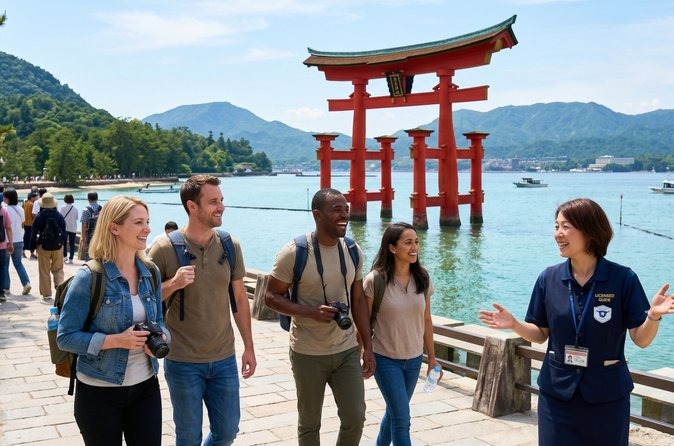
These customs were rooted in the beliefs of Japan’s Shinto religion, which places great importance on ritual purity and regards death as a source of spiritual impurity.
Even today, despite modern life replacing many of the old restrictions, the island continues to reflect those ancient traditions. There are no cemeteries or hospitals on the island, and anyone requiring advanced medical treatment is transported to the mainland. While the historical prohibitions are no longer enforced as legal rules, the island’s cultural and religious heritage remains deeply respected.
Recognized as a UNESCO World Heritage Site, Itsukushima is celebrated not only for its breathtaking natural beauty and centuries-old architecture but also for its unique traditions that have survived through generations.
The island stands as a remarkable example of how faith, culture, and history have shaped everyday life, making it one of the most extraordinary destinations in the world.